
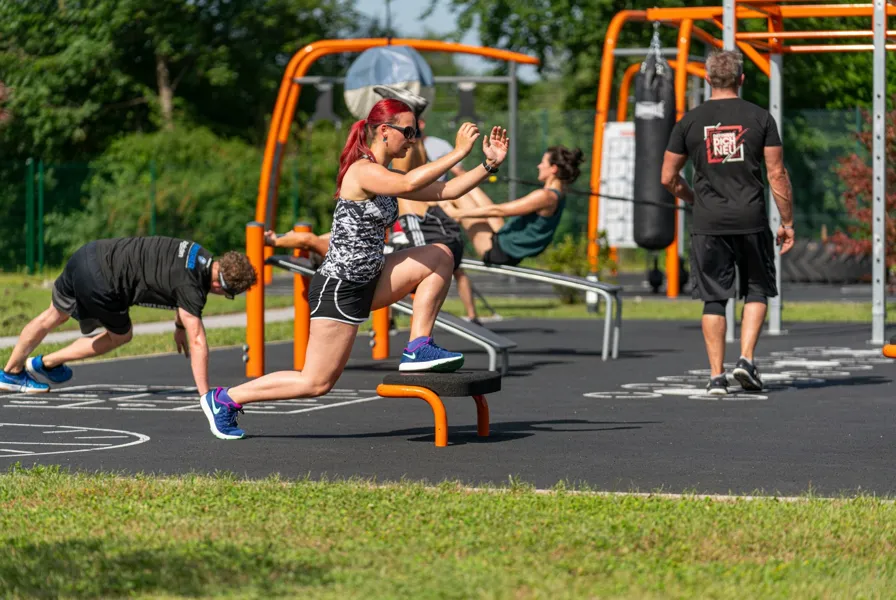
As health and well-being continue to be national priorities, especially following the COVID-19 pandemic, there’s an increasing focus on creating public spaces that promote active lifestyles. One solution that has gained widespread support across local councils, housing developments, schools and recreational grounds is the installation of outdoor gym equipment.
These accessible fitness stations, often found in parks or alongside multi-use games areas (MUGAs), offer communities a free and convenient way to stay active. Beyond fitness, though, they play a valuable role in reducing health inequality, particularly in areas where residents may not have easy access to traditional gyms or sports facilities.
In this blog, we’ll explore how outdoor gym equipment is helping to build healthier, more inclusive communities and why investing in these spaces is a step towards long-term public health improvement, backed by the nation’s physical activity hub, Sport England.
What Is Outdoor Gym Equipment?
Outdoor gym equipment is a collection of durable, weather-resistant fitness machines designed for public use. These can include:
- Cardiovascular machines like cross-trainers, steppers and exercise bikes
- Strength-focused units such as leg presses, chest presses and pull-down machines
- Bodyweight equipment, including dip bars, monkey bars and push-up stations
- Multi-station fitness rigs designed for callisthenics and group training
These units are often installed in parks, recreation grounds, schools, community centres and along walking or cycle routes, making them accessible to people of all ages and fitness levels. They have also demonstrated that use by the local community has become more accessible and more enjoyable, with the exercise taking place outside.
Free and Accessible Fitness for All
One of the biggest barriers to physical activity is cost. Gym memberships, personal trainers and even group classes can be expensive, which limits opportunities for many people, especially those in lower-income areas.
Outdoor gym equipment removes this barrier entirely. Once installed, it offers free-to-use fitness equipment, available 24/7 without the need for bookings or payments. This opens the door for everyone in the community — from teenagers and young adults to older residents — to build exercise into their routine.
The inclusive design of modern outdoor gym stations also caters to a wide range of users, including beginners, people returning to exercise, or those managing health conditions. Simple instruction panels and guided circuits help users feel confident and safe when using the equipment.
Supporting Active Lifestyles in Underserved Areas
In many towns and cities, health inequality is closely linked to geography. People living in areas with limited access to green space, transport, or sports facilities are more likely to experience inactivity, poor diet and long-term health conditions.
Installing outdoor gym equipment in underserved communities brings quality, accessible fitness opportunities directly to the doorstep. It helps remove the gap between high- and low-income areas by giving everyone the tools to improve their physical health without relying on commercial services.
Local authorities are increasingly using data on physical inactivity, obesity and income to target locations for outdoor fitness installations, ensuring those who need them most can benefit from accessible physical activity.
Encouraging Social and Community-Based Fitness
Physical health isn’t the only benefit. Outdoor gyms naturally encourage social interaction, which helps improve mental wellbeing and community cohesion.
People are more likely to commit to exercise when they feel supported and part of a group. Outdoor fitness zones become places where neighbours meet, young people gather safely, and families enjoy activity together. In fact, many local councils run guided group sessions, fitness classes or community health events to help introduce residents to the equipment.
For those who may feel nervous or intimidated in a traditional gym, the relaxed, open-air setting of an outdoor gym can feel far more welcoming.
Promoting Long-Term Public Health Outcomes
Outdoor gym installations support key health goals outlined in NHS and government guidance. By increasing access to daily exercise, they help reduce rates of preventable diseases such as:
- Type 2 diabetes
- Heart disease
- Stroke
- Obesity
- Depression and anxiety
Encouraging consistent physical activity also helps reduce strain on healthcare services. When residents are given the means to stay healthy, both physically and mentally, the broader community benefits through reduced absenteeism, improved productivity and stronger social engagement.
Low Maintenance, High Impact
Modern outdoor gym equipment is designed to be extremely durable, requiring very little maintenance once installed. Made from galvanised or powder-coated steel, the equipment withstands harsh weather, repeated use and general wear and tear.
This makes it a cost-effective investment for councils, schools, and property developers looking to add value to a site and support long-term community wellbeing.
When installed alongside other facilities — such as MUGAs, walking trails or playgrounds — outdoor gyms become part of a wider active environment, promoting movement across all age groups.
Outdoor Gyms for Schools and Education Settings
Schools and colleges are also seeing the benefit of outdoor fitness stations. These facilities provide students with an opportunity to be active outside of PE lessons and help develop good habits from an early age.
They’re particularly useful in secondary schools where structured PE hours may be limited, and student engagement in traditional sports can drop off. Outdoor gyms allow for independent, self-paced fitness that appeals to a broader range of interests and abilities.
In some cases, equipment can be tailored to suit SEND students or provide inclusive fitness options for a wider school population.
Boosting Community Pride and Ownership
Communities with well-maintained public fitness areas often report increased pride in their surroundings. When people feel their neighbourhood supports healthy living, they’re more likely to take care of it, use it regularly and engage positively with others.
Outdoor gyms signal investment in the local area, showing that councils or developers value the health and happiness of residents. They also encourage a sense of ownership and responsibility among users, leading to less vandalism and more community-led events. Designing your space with Caloo ensures you get the maximum multi-purpose use from the area, creating an inviting hub that appeals to all ages in the community.
Final Thoughts
Outdoor gym equipment is more than just a few machines in a park. It’s a powerful tool in the fight against inactivity, poor health, and social isolation. By creating free, inclusive, and easy-to-access fitness spaces, these installations support individuals and communities in building healthier lives.
From improving public health outcomes to reducing health inequality and encouraging stronger communities, outdoor gyms offer lasting value far beyond their cost.