
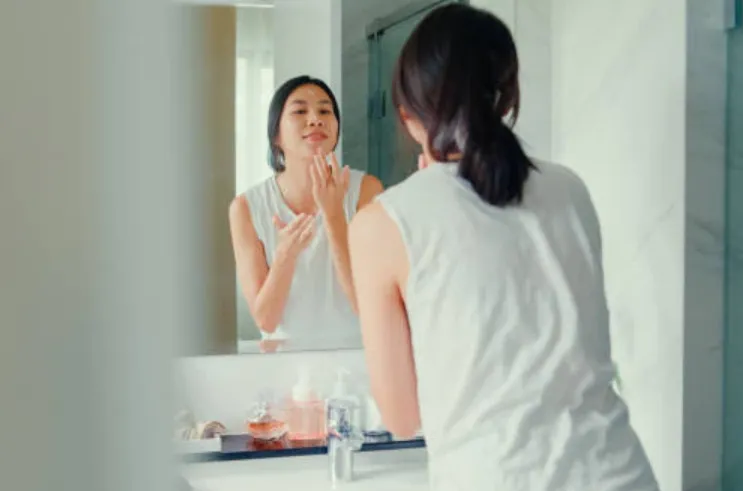
Whether you’re dealing with hyperpigmentation, acne scars, or uneven tone, selecting the right skin lightening cream for face is essential for both safety and results. With countless products on the market, it’s easy to feel overwhelmed. This guide will walk you through what to look for in a lightening cream, which ingredients are effective, and how to build a safe routine that helps you achieve a clearer, more even complexion.
What Is a Skin Lightening Cream for the Face?
A skin lightening cream for face is a topical formulation designed to reduce the appearance of dark spots, age spots, sun damage, and discoloration. These creams work by inhibiting melanin production—the pigment responsible for skin color—helping to reveal brighter and more uniform skin.
Unlike older bleaching agents that were often too harsh, today’s modern formulations use safe and clinically backed ingredients.
Who Should Consider Using It?
A skin lightening cream for face can be beneficial for a variety of concerns:
It’s ideal if you are targeting any of the following:
- Post-acne marks – Especially common for people with darker skin tones.
- Melasma – Hormonal pigmentation, often on the cheeks or upper lip.
- Sunspots or age spots – Typically seen on mature or sun-exposed skin.
- Uneven skin tone – Dullness or patchy pigmentation across the face.
Always consult with a dermatologist if you have underlying skin conditions or sensitive skin.
Key Ingredients to Look For
Not all lightening creams are created equal. Some may offer temporary brightening but fail to target pigment production at the source.
Here are the most effective ingredients to look for:
- Niacinamide (Vitamin B3): Reduces inflammation and inhibits melanin production.
- Alpha Arbutin: A gentle, natural derivative that lightens dark spots without irritating skin.
- Kojic Acid: Derived from mushrooms, this acid slows down melanin formation.
- Vitamin C: An antioxidant that brightens the skin and fades dark spots over time.
- Tranexamic Acid: Reduces stubborn pigmentation like melasma.
- Licorice Root Extract: A natural anti-inflammatory and brightening agent.
When choosing a product, ensure it contains at least one of these ingredients in a well-formulated base.
How to Use Skin Lightening Cream Safely
Proper application is essential to avoid irritation and ensure optimal results.
Follow these steps for safe usage:
- Cleanse your face thoroughly before applying the cream.
- Apply a thin layer to affected areas—don’t overuse.
- Use only once per day at night to prevent photosensitivity.
- Follow up with a gentle moisturizer to prevent dryness.
- Use sunscreen every morning to protect skin and prevent new spots.
Patch testing before first use is highly recommended, especially for sensitive skin.
Best Practices for Faster, Safer Results
Pairing a skin lightening cream for face with good skincare habits helps accelerate progress and minimizes side effects.
Here’s what you should always do alongside your treatment:
- Wear SPF 30+ daily – The #1 rule for any brightening regimen.
- Avoid combining with strong exfoliants – Can increase irritation.
- Stay consistent – Results typically show in 4–12 weeks.
- Don’t pick at your skin – Can worsen pigmentation and cause scarring.
- Hydrate – Well-moisturized skin heals faster and responds better to treatments.
Creating a supportive routine maximizes the benefits of your lightening cream while minimizing risks.
What to Avoid in Lightening Creams
Some products still use outdated or banned ingredients that can harm the skin.
Avoid creams that contain:
- Hydroquinone (over-the-counter in some countries): Though effective, it may cause rebound hyperpigmentation with prolonged use.
- Mercury or mercury derivatives: Toxic and banned in many regions.
- Steroids (without prescription): Can cause thinning of the skin and long-term damage.
Always read ingredient labels and buy from reputable brands or dermatology clinics.
Recommended Products and Brands
Here are a few dermatologist-approved options for facial pigmentation:
Top-rated skin lightening creams for face include:
- Touch Bright & Clear Cream – Contains alpha arbutin, kojic acid, and niacinamide.
- Melano CC Intensive Anti-Spot Essence – Features high-strength vitamin C.
- Ambi Skincare Fade Cream – Combines niacinamide and glycolic acid for gradual lightening.
- The Ordinary Alpha Arbutin 2% + HA – A budget-friendly, effective brightening serum.
Always patch test new products and introduce them slowly into your routine.
Side Effects and What to Expect
Most well-formulated skin lightening creams are safe when used correctly. However, you may still experience mild side effects during the adjustment phase.
Common effects include:
- Mild dryness or peeling – Especially during early use.
- Redness or tingling – Often temporary and should subside.
- Increased sun sensitivity – Use SPF to protect vulnerable skin.
If you experience persistent irritation, discontinue use and consult a skincare professional.
When to See a Dermatologist
If you’ve tried OTC lightening creams without success, or if your pigmentation is worsening, it may be time to consult a dermatologist.
Consider professional guidance if you have:
- Stubborn melasma or deep pigmentation
- Scarring or inflammation from previous treatments
- Other skin concerns like acne or rosacea
Dermatologists can prescribe stronger treatments or help customize your regimen for better results.
Final Thoughts
Finding the best skin lightening cream for face depends on your skin type, condition, and goals. Look for proven ingredients like niacinamide, alpha arbutin, and kojic acid. Use products consistently, protect your skin from the sun, and avoid harmful ingredients like mercury or over-the-counter steroids.
With the right approach, you can safely fade dark spots and improve your complexion over time—achieving clear, healthy skin with confidence.