
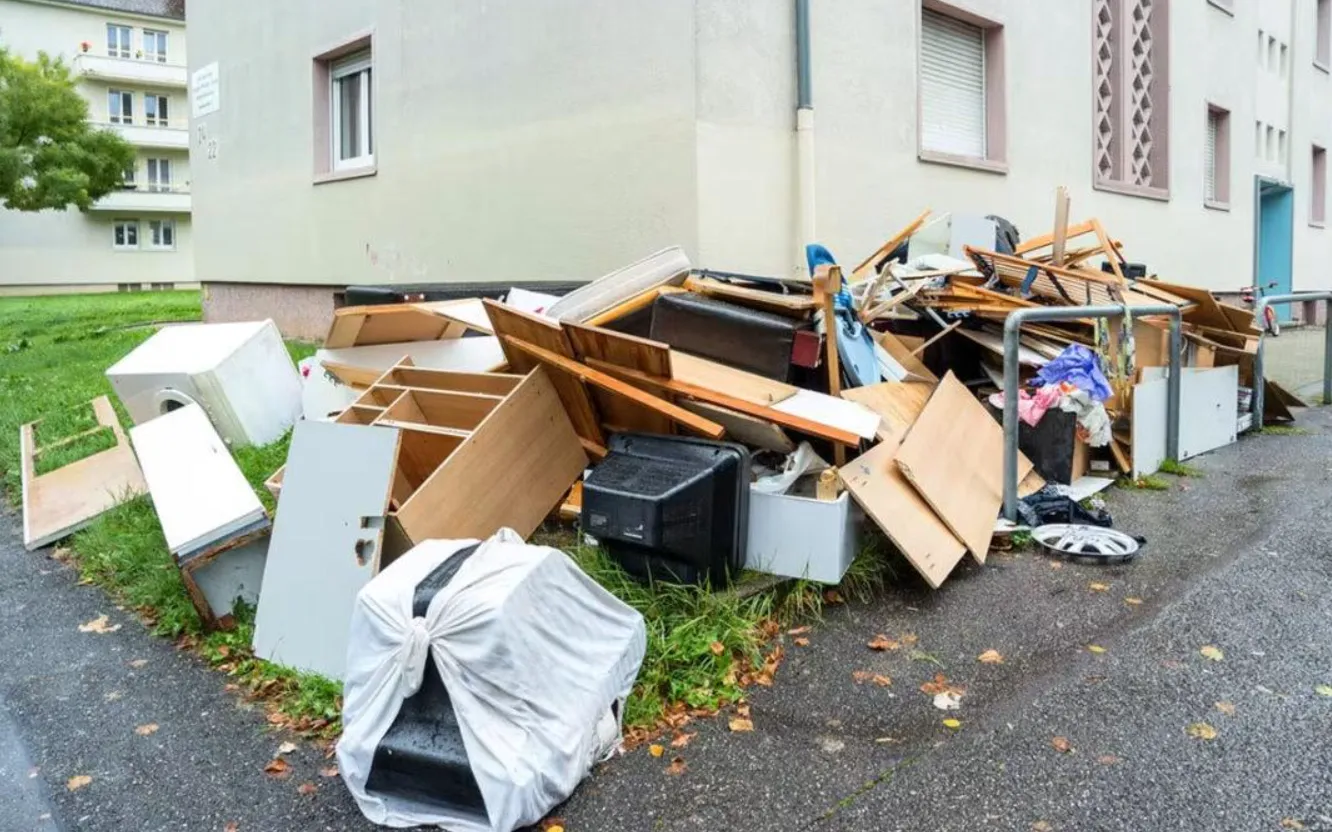
Question:
“I just cleared out my garage, and I’ve got everything from cracked plastic chairs to old paint cans and a broken TV. Can I just dump it all?”
Answer:
Not quite. And in Seattle? Definitely not.
Disposing of junk isn’t as simple as tossing it all into a bin labeled “trash.” If you’ve ever found yourself standing in front of a pile of random items wondering what goes where—you’re not alone. Junk sorting can feel confusing, especially in a city like Seattle, where sustainability rules are strict, and landfill space is precious.
Let’s walk through what really belongs in the landfill—and what doesn’t—so you can clean up without creating a mess for the planet (or risking a fine).
So, What Actually Does Go to the Landfill?
Some items truly have no second life. Here’s the short list of what’s typically acceptable:
- Non-recyclable plastics (broken toys, food containers not marked with recyclable symbols)
- Soiled items (carpet padding soaked with pet waste, moldy textiles)
- Composite materials (items made from glued or bonded components that can’t be separated)
- Broken ceramics and dishes
- Old mattresses (unless they’re being specially recycled)
- Destroyed furniture beyond repair
If something is broken, can’t be reused, and isn’t recyclable—it’s landfill-bound.
But before tossing, double-check. What seems like trash might have a better destination.
What’s Not Meant for the Landfill?
Electronics: Seattle law forbids e-waste in the garbage. That includes TVs, laptops, and phones. These items contain heavy metals and must go to a certified recycling center.
Appliances: Most large appliances like fridges, washers, and ovens are recyclable. Some require safe handling due to refrigerants or electronics inside.
Batteries and Bulbs: These are hazardous. Disposing of them improperly risks environmental harm and violates local regulations.
Yard Waste: Even though it looks natural, it doesn’t belong in the trash. Compost it or place in yard waste bins.
Paint, Chemicals, Cleaners: These require a special hazardous waste facility. Never pour them down the drain or mix them into general trash.
The Grey Area: Junk That Straddles the Line
Some items confuse even the most conscientious Seattle resident. Let’s demystify a few:
Old Furniture
- If it’s usable: Donate.
- If it’s damaged beyond use: Dismantle and sort recyclable parts if possible (metal frames, wooden components). The rest may go to the landfill.
Carpet and Rugs
- Clean and reusable? Some thrift organizations accept them.
- Heavily soiled or torn? Unfortunately, these are landfill-bound.
Toys
- Plastic with no recycling number? Landfill.
- Electronic components? E-waste recycling.
- Still functional? Donate.
Why It Matters in Seattle
Seattle takes waste management seriously. The city has long-standing goals to divert as much material as possible from landfills. Misplacing your junk in the wrong stream doesn’t just lead to inefficient disposal—it can also mean city fines or rejected loads at transfer stations.
Seattle’s commitment to reducing landfill contributions hinges on residents and businesses making smart choices. Knowing the rules isn’t just responsible—it’s respectful to the environment and your community.
That’s why when residents in the area hire junk removal Seattle professionals, they’re not just paying for hauling—they’re investing in proper sorting, recycling, and disposal.
Common Mistakes People Make
Here are a few habits that seem harmless—but can cause real damage:
- Bagging recyclables in plastic: Most recycling centers reject them. Recyclables must be loose.
- Mixing compostables with garbage: In Seattle, compost is collected separately. Mixing them reduces efficiency.
- Placing hazardous items curbside: This endangers sanitation workers and breaks local regulations.
- Assuming “wishful recyclables” are accepted: If there’s no triangle symbol with a number, it’s probably not recyclable.
Smart Sorting Tips at Home
- Set Up a “Maybe” Zone
Unsure what goes where? Designate a spot to gather questionable items and research them weekly. - Use Clear Labels
On your bins, write “Landfill,” “Recycle,” and “Compost” so everyone in your household sorts correctly. - Think in Layers
Ask yourself:
- Can this be donated?
- Can this be recycled?
- Can this be composted?
- Only then, if the answer is no to all, should it go to the landfill.
- Photograph Bulky Items for Reuse Sites
Even damaged furniture might find a home if repurposed by someone creative.
The Role of Junk Removal Companies in Sorting
When large-scale cleanouts happen, it’s easy to feel overwhelmed. Junk hauling professionals step in not just to lift and load, but to sort, separate, and distribute items correctly.
In fact, many services make diversion a core part of their process. Items are routed to donation centers, recycling facilities, and only as a last resort—landfills.
Junk B Gone, operating in Seattle, is one such provider. Their team helps homeowners and businesses responsibly offload everything from outdated electronics to worn-out furniture, all while following local disposal laws and recycling protocols.
This ensures your cleanup doesn’t become someone else’s contamination problem.
When You Need a Junk Removal Pro
You can handle small-scale sorting on your own, but there are times when calling in help makes sense:
- Major cleanouts (moving, estate clear-outs, renovations)
- Heavy items (appliances, water-damaged furniture)
- Multiple junk categories (hazardous, recyclable, donatable)
- Limited time or mobility
A junk hauling team knows what goes where and how to avoid improper disposal. Their trucks often head to multiple locations—landfills, recycling stations, and donation sites—all in one trip.
That kind of coordination saves you time, reduces error, and keeps the city’s waste systems running smoothly.
Final Thought: It’s About More Than Just Trash
Disposing of junk isn’t just a task—it’s a choice about how we interact with the world. Every item we discard has an impact, and not all of it belongs in the landfill.
Sorting smartly takes a little more thought—but it’s a habit that pays off in cleaner homes, healthier cities, and a more sustainable planet.
The next time you stand in front of a pile of clutter, remember: the landfill is the last resort, not the first stop. Sort wisely, ask questions, and when in doubt—let the experts take it from there.