
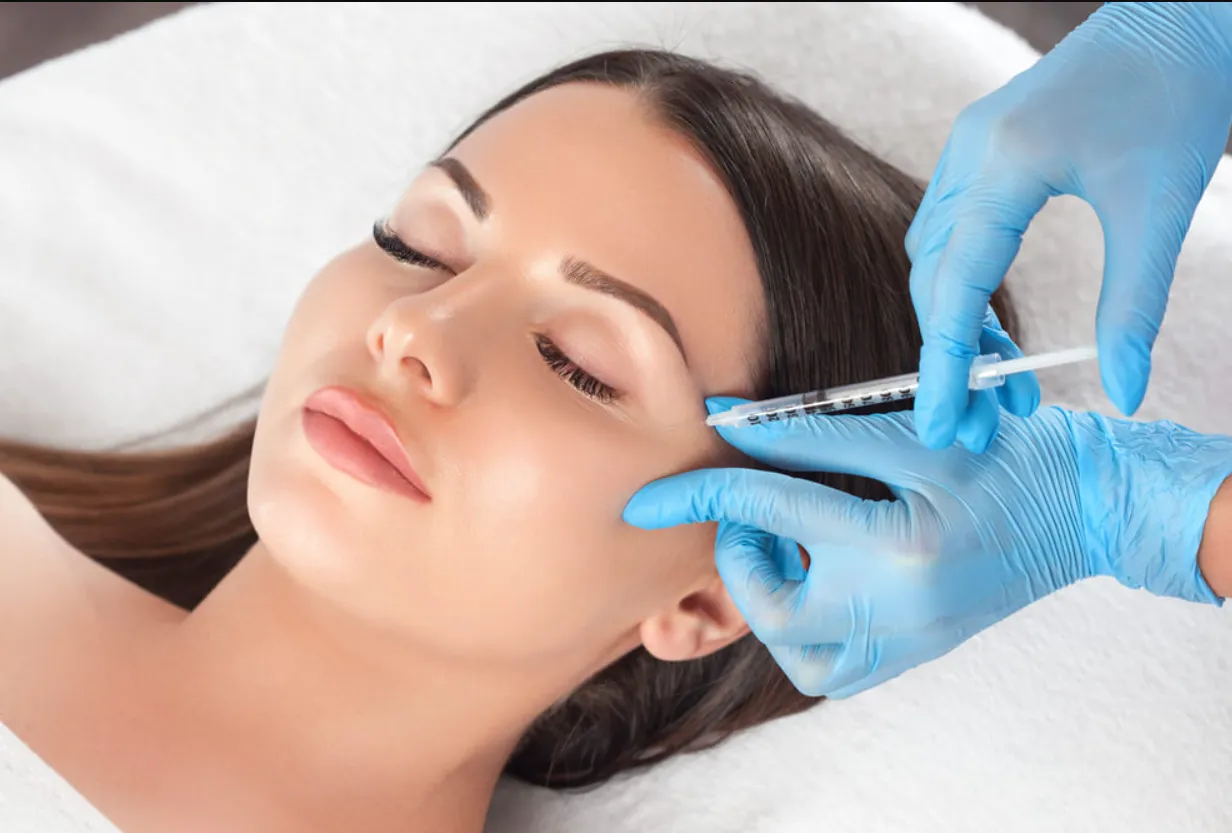
Injectable dermal fillers treatment has become an increasingly popular option for those looking to address signs of aging, enhance facial contours, and restore volume. If you’re considering this procedure, it’s important to know what to expect at every stage to ensure a smooth and satisfying experience. In this article, we’ll walk you through the process—before, during, and after the treatment—to help you make an informed decision.
Before the Treatment: Preparation and Consultation
Before you undergo injectable dermal fillers, an initial consultation is necessary. This step is crucial for determining whether you’re an ideal candidate for the procedure. During this meeting, your practitioner will assess your overall health, skin type, and aesthetic goals.
Choosing a Qualified Practitioner
One of the most important steps before your treatment is selecting a qualified and experienced professional. This ensures that the procedure is done safely, with minimal risk of complications. Be sure to check the practitioner’s credentials, reviews, and before-and-after photos of previous patients to get a sense of their skill and results.
Discussing Your Goals
The consultation will also be an opportunity for you to discuss your desired outcomes. Whether you’re looking to smooth fine lines, add volume to hollow cheeks, or plump your lips, being clear about your expectations will help your practitioner choose the right type of filler and technique for you.
Health Considerations
Certain medical conditions or medications may affect the suitability of dermal fillers. Be sure to inform your practitioner about any health concerns, allergies, or current medications you are taking. In some cases, treatments may need to be postponed or modified to avoid adverse reactions.
Pre-Treatment Instructions
You may be given a few instructions to follow in the days leading up to your treatment. These could include avoiding alcohol, blood-thinning medications, and supplements like aspirin, which could increase the risk of bruising. Following these guidelines will help ensure a smooth experience and reduce the chances of complications.
During the Treatment: What to Expect
Injectable dermal fillers treatment is typically a quick, minimally invasive procedure that can be done in a matter of minutes.
Numbing the Area
To ensure comfort during the procedure, most practitioners will apply a topical numbing cream or gel to the treatment area. This helps to minimize any discomfort you may feel while the filler is being injected. Some fillers also contain lidocaine, a numbing agent, to further enhance comfort during the procedure.
Injection Process
Once the area is numbed, your practitioner will begin injecting the dermal filler. The procedure itself is relatively quick, often taking between 15 to 30 minutes depending on the number of areas being treated. Your practitioner will use fine needles to carefully inject the filler, targeting specific layers of the skin to restore volume, smooth wrinkles, or enhance contours.
Feeling During the Procedure
While the procedure is minimally invasive, some patients report mild discomfort or a feeling of pressure as the filler is injected. However, the use of numbing agents ensures that the procedure is well-tolerated by most people. If you’re particularly sensitive, be sure to communicate this to your practitioner, as they can adjust the technique accordingly.
Aftercare Discussion
Before leaving, your practitioner will explain post-treatment care instructions. This will include advice on avoiding excessive heat, strenuous activity, or touching the treated areas for the first 24 to 48 hours. It’s also important to ask any lingering questions about the procedure, potential side effects, and what to expect during recovery.
After the Treatment: Recovery and Results
Once your treatment is complete, you may experience mild side effects such as redness, swelling, or bruising. These are common and typically subside within a few days.
Post-Treatment Care
To ensure optimal results and minimize any discomfort, your practitioner may recommend certain aftercare steps. These could include:
- Avoiding Touching the Treated Area: While it’s important to avoid rubbing or pressing on the treated area for at least 24 hours, you can gently cleanse your face with a mild cleanser and apply makeup once the swelling has reduced.
- Cold Compress: Applying a cold compress to the treated area can help reduce swelling and discomfort. Be sure to do this in moderation, as excessive cold can affect the filler’s performance.
- Elevating the Head: If the treatment was done around the lower face, keeping your head elevated while sleeping can help reduce swelling.
Managing Swelling and Bruising
Bruising and swelling are common, especially if the filler was injected in a sensitive area like the lips. These symptoms should improve within a few days. Applying ice in intervals can help speed up the healing process.
Avoiding Strenuous Activities
For the first 24 to 48 hours after treatment, it’s important to avoid strenuous exercise or activities that could increase blood flow to the face. This can help prevent bruising and ensure that the dermal filler settles evenly into your skin.
When Will You See Results?
Most people notice immediate improvements following injectable dermal fillers treatment, though the final results may take a few days to fully materialize. Swelling may obscure the full effects initially, but once it subsides, you will see the smooth, youthful appearance that the dermal filler has helped create.
How Long Do Results Last?
The longevity of injectable dermal fillers can vary depending on the type of filler used, the area treated, and individual factors such as metabolism. On average, the effects can last anywhere from six months to two years. Some areas, like the lips, may require more frequent touch-ups, while other areas, such as the cheeks, may hold results for a longer period.
Maintenance Treatments
To maintain your results, you may opt for periodic touch-up treatments. Your practitioner can help you determine the best schedule for these touch-ups based on how your skin responds to the filler and how long it lasts.
Potential Side Effects and Risks
While injectable dermal fillers are generally safe when performed by a qualified professional, there are some risks to be aware of. These include:
- Allergic Reactions: Though rare, allergic reactions to certain fillers can occur. Be sure to ask your practitioner about the ingredients in the filler and whether you’re at risk.
- Infection: As with any injection, there’s a slight risk of infection. Following aftercare instructions carefully and avoiding touching the treated area can reduce this risk.
- Lumps or Bumps: In rare cases, lumps or bumps may form at the injection site. If this happens, consult your practitioner for further treatment.
Final Thoughts
Injectable dermal fillers can provide a non-surgical solution to restore volume and smooth out wrinkles, helping you achieve a refreshed and rejuvenated appearance. By understanding what to expect before, during, and after the treatment, you can approach the procedure with confidence. Ensure that you choose a qualified practitioner, follow pre-and post-treatment instructions carefully, and maintain realistic expectations about the results and longevity of the treatment. With proper care and attention, injectable dermal fillers can offer lasting, natural-looking results to enhance your facial features.