
Image from Unsplash
In today’s athletic landscape, even weekend warriors and backyard competitors are adopting high-tech gear once exclusive to pros. From smart balls and sensor-fitted wearables to advanced golf analyzers, amateur sports are getting a major upgrade. Whether you’re hitting a few bats in the backyard, organizing a weekday pickup game, or literally sneaking in a swing before dinner, you’re now playing with more precision—and insight—than ever before.
You don’t need a PGA tour setup to benefit—basic tools like Indoor Golf Outlet bring pro-level golf analysis into garage bays and backyard greens. The rise of smart equipment is leveling the playing field and giving everyone access to meaningful performance data.
Below, we explore top smart sports gear categories, examples that bridge the gap between pro and amateur, and how every team or individual can choose what fits their game.
From Analog to Algorithm: The Evolution of Sports Gear
Not long ago, amateur athletes relied on intuition, word-of-mouth advice, or maybe a stopwatch to track progress. Today, those tools are joined—or replaced—by smart sensors, mobile apps, and real-time analytics.
This shift didn’t happen overnight. The integration of sensors into balls, bats, rackets, and even clothing has turned ordinary gear into powerful feedback tools.
According to a Wikipedia article on wearable technology, the global wearable market—driven in large part by sports and fitness tracking—has grown rapidly in the last decade, enabling athletes at all levels to monitor everything from biomechanics to muscle fatigue and recovery.
These innovations allow amateurs to adopt the habits—and tools—of professionals, with real-time data guiding every rep, swing, or sprint.
1. Smart Balls & Ball Tracking Devices
What they do:
Smart balls—like the Wilson X Connected Basketball or Adidas micoach Smart Soccer Ball—are embedded with sensors that track spin, velocity, trajectory, and shot frequency.
Why amateurs love them:
- Real performance data on shot techniques and trends
- Built-in training modes—free throws, dribbling drills, or target practice with immediate feedback
- Game data export and replayability via companion apps
Example:
- Wilson X Smart Basketball: Monitors shot arc and makes your practice a stats-driven session
- Adidas Smart Soccer Ball: Tracks kick speed and spin—perfect for honing free-kick technique
2. Wearable Performance Trackers
What they do:
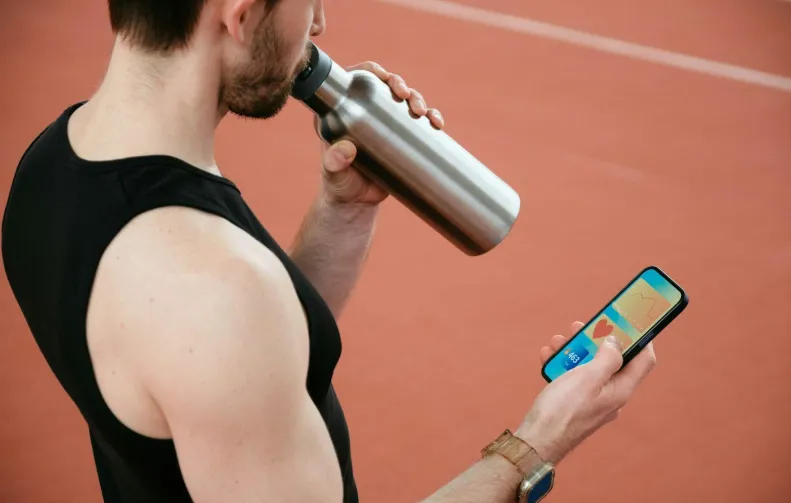
Devices like Garmin, WHOOP, and Catapult wearables record heart rate, body movement, sleep quality, and total load—ideal for sports from running to rugby.
Why amateurs benefit:
- Prevent injury with load and recovery metrics
- Track gains in stamina or speed over months
- Health insights—resting heart rate and stress management, valuable in both sports and daily life
Example:
- Garmin meteoric running watches with VO₂ max tracking
- WHOOP Strap 4.0, focused on recovery and strain monitoring for high-frequency training
3. Launch Monitors & Swing Analyzers
What they do:
Golf analysis tools like Indoor Golf Outlet and Arccos Caddie add-ons break down ball speed, spin, and swing path with surprising accuracy.
Why they’re here:
- Comprehensive swing data: spin rates, launch angles, backspin—vital for dialing in your grid‑iron-esque golf swing
- Instant feedback during practice sessions
- Progress tracking over time with saved session logs
Example:
- Garmin Approach R10 launches into simulator mode and integrates with popular golf apps
- Arccos Caddie Smart Sensors fit those who want swing breakdown without a big upfront investment
4. Smart Rackets, Bats & Clubs
What they do:
Connected sports equipment like Babolat Play tennis rackets or Blast Motion baseball bat sensors track angle, tempo, speed, and rotation.
Why amateurs benefit:
- Technique corrections unveiled through metrics like swing speed and spin
- Shot categorization and performance logs
- Drills powered by data, allowing you to train smarter, not harder
Example:
- Babolat Play Connected Racket monitors stroke mechanics
- Blast Motion Baseball/Softball Sensors sit in handles and analyze bat speed, swing plane, and timing
5. Smart Fitness Equipment & Virtual Coaches
What they do:
Home systems like Peloton, Tempo, and Mirror use cameras and AI to offer real-time form corrections during strength training workouts.
Why amateurs enjoy them:
- Form monitoring to prevent injury
- Motivational challenges and on-demand class access
- Progress analytics—so next year’s you is measurably stronger
Example:
- Tempo Studio AI Mirror provides in-depth rep analysis
- Tonal Intelligent Home Gym uses digital weight adjusted automatically to match your abilities
6. Tech-Driven Recovery Tools

Image from Unsplash
What they do:
Recovery devices like Theragun massagers, Normatec boots (by Hyperice), and Oura rings (which can combine wearable metrics) aid muscle recovery and stress management.
Why amateurs use them:
- Faster muscle recovery—speeding up readiness for next training
- Sleep tracking & stress analytics via wearables and rings
- Data that informs training adjustments, making workouts more efficient and less risky
Example:
- Oura Ring combines sleep, readiness, and activity in one sleek wearable
- Normatec boots used by athletes at all levels to decompress after workouts
Choosing the Right Gear for You
To get the most value from smart sports equipment, consider:
- Goals: Is your focus learning technique, preventing injury, or competitive progress?
- Budget: Wearables and sensor-topped gear start at ~$50–$150; launch monitors and home gym setups are $600+.
- Data Use: Will you review app insights? Join virtual groups? Or just glance at basic metrics?
- Space & Convenience: Handheld devices and wearables are more versatile than full simulators.
Quick Decision Guide
| Goal | Gear Recommendation | Budget Range |
| Improve sports technique | Smart racket/swing sensor | $100–$250 |
| Track fitness & recovery | Wearable tracker (Garmin, WHOOP, Oura) | $200–$400 |
| Golf swing + home sim | Launch monitor (Indoor Golf Outlet alt) | $600–$2,500+ |
| Personalized home workouts | Smart fitness system (Tempo/Tonal) | $1,500–$4,000 |
Making Tech Work for Your Game
- Start small with a wearable or handheld sensor—spend time interpreting results
- Seek instruction through video tutorials or forums—gear data is only as good as its application
- Join a community—many platforms include virtual groups or pro feedback
- Track progress—set monthly goals and revisit your metrics to notice gains
What’s Next for Amateur Sports Tech?
The future is heading toward AI-augmented performance. Expect:
- Predictive analytics, anticipating fatigue or injury risk before it grips
- Smarter simulations, with full-course, multiplayer golf experiences or AI-scrimmage partnerships
- Affordable accessibility, with prices dropping and portable options emerging
What once was exclusive to training facilities and labs is now ready for your garage, driveway, or rooftop court. Smart sports gear has leapfrogged the pro/amateur gap. Whether you’re tracking swing improvements with Indoor Golf Outlet gear, analyzing basketball performance, or using smart systems at home, these tools give you the power to train like a pro—even if you’re playing for fun. The only limits now? Curiosity and commitment. Choose the tools that excite you, use data to shape your routine, and enjoy the mix of analog passion and digital precision that defines the modern amateur athlete.