
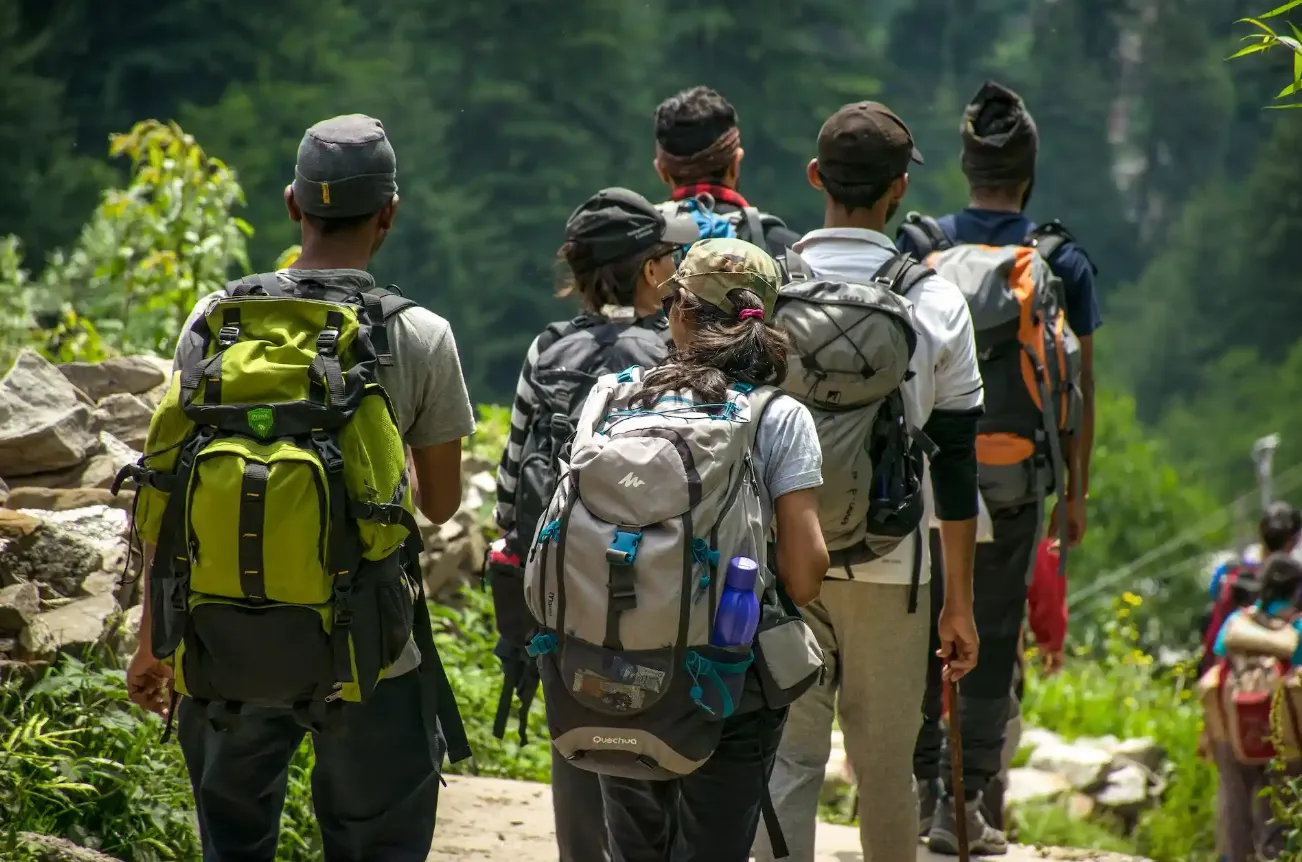
What’s Adventure Therapy? Adventure therapy is much more than simply spending time outdoors; it’s a robust, evidence-supported intervention that aids adolescents emotionally, behaviorally, and psychologically through an active approach. If you’ve been asking yourself what adventure therapy is and how it can assist in adolescent development, emotional healing, and resilience-building, this article will discuss its key components, benefits, and transformative impacts of this therapy.
Understanding What’s Adventure Therapy
Adventure therapy is a branch of experiential therapy integrating physical activities, challenges from nature, and carefully designed therapeutic techniques to foster emotional development and healing. It involves rock climbing, hiking, camping, and other team-building activities which are led by licensed therapists and trained professionals in wilderness therapy.
Unlike talk therapy, adventure therapy incorporates movement, which allows teens to face their fears, build trust, communicate, and learn to cope with challenges in the moment, often in a group setting.
Concern over Adventure Therapy’s Popularity with Teens
Teenagers face intense pressure from various sources; whether it’s school, family drama, trauma, or mental health concerns like anxiety and depression. Many teens are not able to engage in traditional verbal therapies, as they often prefer to remain silent.
Adventure therapy is a hands-on approach that encourages teenagers to express their feelings in nonverbal ways. It is especially useful for students who struggle with social skills. The therapy’s active approach helps the individual deal with stress in a practical manner while offering mental relief instantly. Because adolescents deal with so many factors in life, the active nature of therapy is immensely beneficial.
What to Expect from Adventure Therapy?
Every form of therapy is rooted in their own core principles. Adventure therapy is no expectation and works on the idea that every individual is different and needs tailored solutions. Here’s how it usually goes:
1. Evaluation and Goal Setting
Assessing a patient’s emotional situation is of course vital, and for this reason the specialist collaborates with the teen in setting reasonable therapeutic objectives.
2. Adventure Based Activities
This also involves:
- Hiking – Assists with endurance, mindfulness, and offers a unique perspective of nature.
- Camping- Enhances independence along with developing problem-solving skills.
- Ropes Courses – Promotes trust and communication while enhancing self-esteem.
- Canoeing or Kayaking – School of teamwork and concentration while facing fears head-on.
3. Therapeutic Processing
Each session starts with a structured debrief led by the therapists to discuss experiences, emotions, decisions, and behaviors. The reflections are tied to their therapeutic objectives, which can be managing anxiety or improving social interactions.
4. Integration into Daily Life
The primary aim is for teenagers to apply the concepts learned in nature—perseverance, emotional control, and decision-making—to school, home, and friendships.
Who Can Benefit from Adventure Therapy?
What’s Adventure Therapy? Adventure therapy works particularly well for teenagers who:
- Struggle with anxiety, depression, trauma, or substance abuse
- Are resistant to traditional therapy models
- Struggle with low self-esteem or difficulty socially connecting
- Exhibit behavioral or academic challenges
- Require assistance in building resilience and independence
This approach also works well for teens in transition periods, such as post-rehab recovery or trauma stabilization, after psychiatric care school reintegration.
The Psychological Benefits of Adventure Therapy
The mental and emotional benefits linked to adventure therapy are well documented through clinical studies and anecdotal evidence. Some key benefits include:
Improved Self-Esteem and Confidence
Adventure-based therapy fosters improved self-esteem and confidence. Overcoming physical challenges in the wilderness allows teens to accomplish goals, which gives them the confidence to tackle other challenges at home and school.
Enhancing Social and Communication Skills
Group-based activities require trust, collaboration, and talking. Because of these interactions, teens can refine their healthy relationships as well as their social navigating skills.
Emotional Control
The natural setting is peaceful which encourages mindfulness. Adventure therapy teaches emotional control by exposing teens to manageable emotional stress in a nurturing atmosphere.
Reduced Symptoms of Depression and Anxiety
Cortisol (the stress hormone) decreases in nature, especially when coupled with movement, and physical activity increases serotonin, both of which boost mood.
Defining Responsibility
Adventure therapy helps improve teenagers’ self-conception by holding them responsible for their choices, as they must grapple with instantaneous outcomes.
Responsibilities of Other Qualified Experts
Order and safety are essential in adventure therapy programs. They require both a licensed mental health professional and a certified outdoor instructor to ensure physical safety and emotional well-being.
The sessions have clearly defined outcomes that are therapeutic in nature–not for mere enjoyment, but to facilitate deep, lasting behavioral and psychological change. Therapists direct dialogue, track emotions, and supervise therapeutic integration of the experiences.
Success Stories from Real Life
Due to adventure therapy, adolescents who once had persistent anxiety, school refusal attitude, substance abuse issues, and emotional outbursts now have a different path to follow. Parents often notice impressive changes in treatment engagement and mood.
For example, a 15-year-old boy suffering a lot of conflict in school and getting suspended had learned self-control and conflict resolution through challenge course activities. A 17-year-old boy dealing with depression and suicidal ideation found hope and purpose in wilderness backpacking combined with therapy.
Hillside Horizon’s Heuristic Approach to Teen Adventure Therapy
Choosing a center that practices adolescent development alongside evidence-based care is critical. With an insight-driven structure, Hillside Horizon provides therapeutic adventure therapy for teens blended with lived experiences and nature’s therapeutic benefits.
Their programs aim to build resilience, self-discovery, and healing within a nurturing, safe environment. Each teen is assigned a licensed clinician dedicated to setting therapeutic goals, measuring progress, and guiding him/her through long-term success during and after completion of the program.
Is Adventure Therapy Suitable for Your Teen?
If your adolescent feels stagnant, angry, isolated, or withdrawn, and walls seem to form around them, then perhaps adventure therapy is the solution you are searching for.
Look for the following signs that indicate your teen may be struggling with:
- Motivation and goal setting
- Emotional trauma
- Social engagement
- Participation in rash activities
- Unhealed trauma
In any case, whether it is confronting anxiety, building emotional resilience, or uncovering a fresh purpose in life, movement alongside nature and self-exploration makes healing possible with adventure therapy.
To Sum Up!!
Adventure therapy is: a transformative experience that combines professional therapeutic intervention with challenges that lie outdoors. For teens grappling with their emotions or even searching for a purpose in life, it offers a different, hands-on, deeply engaging, and nature-based route.
Seize the opportunity to discover how adventure therapy can enable change in your teen and start the journey towards change today. Learn more about adventure therapy for teens here.