
Cocaine addiction can feel hopeless, but recovery is possible. With professional help, it is possible to regain the stability and overall health one once had. If substance use is an issue for you, or for someone you care about, then finding help is important.Seeking out programs that focus on addiction treatment for cocaine can provide the structure, therapy, and guidance needed to begin the journey toward lasting sobriety.
Cocaine is often viewed in society as glamorous, but the truth is it is very different than that. It has a negative impact on almost all areas of life, whether it is mental, physical, or social. Understanding the invasive nature of cocaine and its impact on the brain and body can help in accepting professional help. So, let’s discuss cocaine addiction, its nature, treatment options available, and their wide range of benefits.
Understanding Cocaine Addiction
Cocaine is a powerful stimulating drug that significantly alters the brain’s chemistry, specifically the dopamine levels. This alteration of the brain’s chemistry can enhance the feelings of euphoria, but the effects are momentary. For long-term cocaine users, the brain can feel a lot of pleasure, and then it starts to develop the need for more cocaine. This is where the addiction cycle begins.
Some indicators you might notice as cocaine addiction include:
- Frequent nosebleeds or issues with the sinuses because of the drug.
- Increased heart rate and dilated pupils.
- Severe changes to moods and increased irritability.
- Legal and financial issues stemming from drug use.
- Failure to attend school services or neglecting work or relationships.
Cocaine addiction is not just a bad habit; it is a chronic disease that needs professional treatment. If left untreated, the addiction can lead to heart problems, anxiety disorders, and decline of cognitive functions.
Why A Treatment is Important
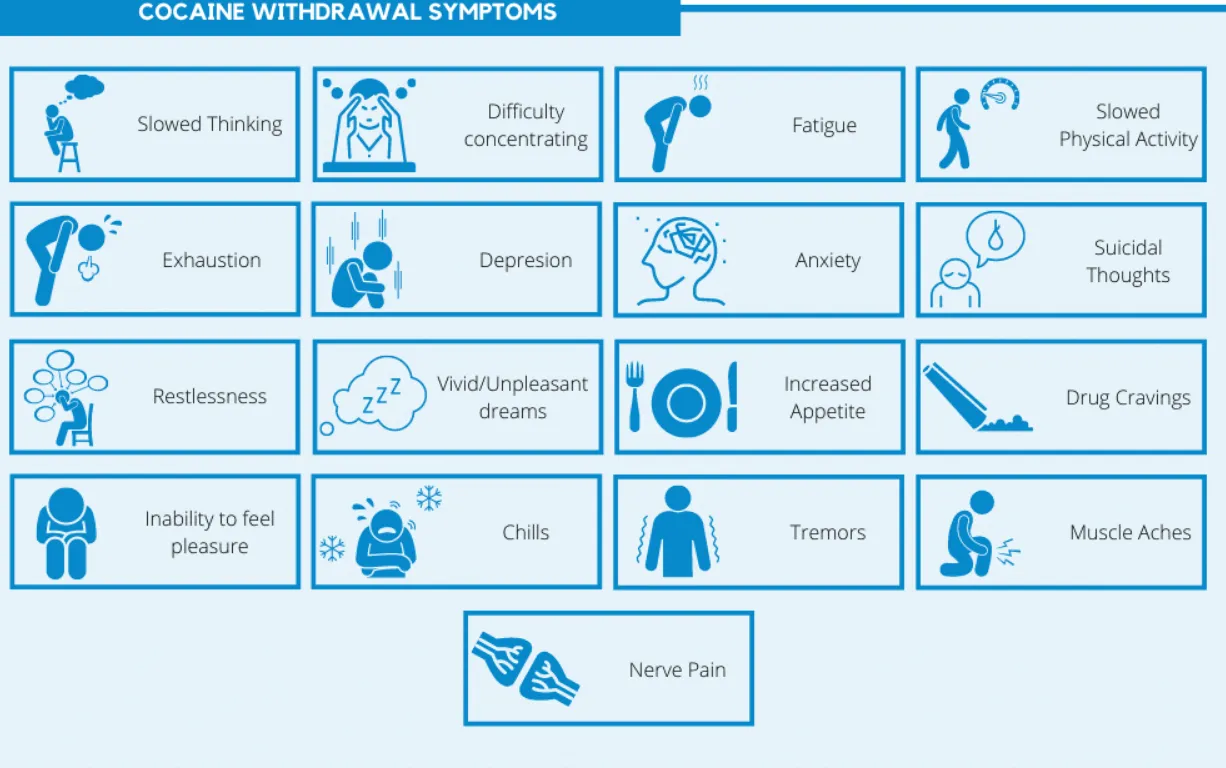
Trying to quit cocaine on your own can prove to be a daunting task. Symptoms of withdrawal include severe depression, increased fatigue, and an inability to focus, which can lead to relapse.
Cocaine addiction treatment provides the following:
- Medical care that manages withdrawal.
- Therapeutic care that helps with emotional issues.
- Skills training that helps in coping with cravings.
- Future planning that helps in relapse and long-term sobriety.
The treatment is aimed not only towards detoxification, but also towards the foundational problems contributing to the use of the substance.
Detox: The First Step to Healing
Detox is usually the first stage of any recovery journey. In the case of cocaine withdrawal, the detoxification process involves the individual’s body ridding itself of cocaine and the medical team overseeing the individual’s emotional and physical health. During the withdrawal process, cravings and physical withdrawal symptoms that intensity can feel overwhelming. Because of this, many individuals will use cocaine again just to escape the discomfort.
Detox becomes easier and safer when there is a supportive environment. Once the detox process is complete, the individual will be able to engage in long-term healing therapeutic programs.
Therapeutic Approaches That Work
Therapy is at the heart of cocaine addiction treatment. Different treatment methods are aimed at identifying the drug abuse problem and finding positive living strategies to deal with it.
· Cognitive Behavioral Therapy (CBT) is one of the best strategies. It assists individuals in identifying unhealthy disposition and their associated behaviors, and replaces them with positive and realistic dispositions and behaviors.
· With Motivational Interviewing (MI), people look out for their change, and in the process, recovery becomes a personal journey rather than a chore.
· Group Therapy allows individuals to share their personal stories with people who are going through similar experiences, which helps to counteract their feelings of loneliness.
· Family Therapy utilizes the loved ones in the treatment process, which allows better interaction and helps to restore the communication and the trust that addiction has ruined.
By integrating the different elements, the treatment programs effectively deal with the psychological and emotional aspects related to cocaine addiction.
The Importance of Peer Support
Isolation and feeling alone are highly common as a result of addiction. Support groups allow people to connect with their peers, share their stories, celebrate their and others’ wins, and appreciate learning from the experiences of others. Such bonds aid in alleviating the shame people feel, and reinforce the narrative that no one has to go through recovery alone.
With the help of support groups, individuals are able to receive motivation not only during formal treatment, but in the long run as well.
Creating a New Life Beyond a Drug-Free Life
Recovery is not just about stopping the use of drugs; it centers on building a new life. Taking the right steps, individuals learn how to replace their harmful habits with healthier routines that will aid their sobriety.
A few of the strategies for building a balanced lifestyle are:
- Setting a daily schedule to instill a level of structure in life
- A focus on physical well-being through proper nutrition, exercise, and quality sleep
- Participation in hobbies that are non-substance driven and positively engage
- Cultivating positive relationships that foster constructive change
- Mindfulness and meditation to help manage stress and triggers
Implementing these strategies will aid in reducing the chances of relapse.
Aftercare Services And Preventing Relapse
Completing treatment programs is a milestone in itself, but recovery lasts way longer than that. Aftercare is important in preserving progress and preventing a relapse.
“Aftercare” tends to involve the same therapists, alumni group forums, consistent recovery specialist check-ins, and relapse prevention blueprint formulation. This helps individuals stay connected to their goals and the support network built during treatment.
Relapse is not a failure; it is an opportunity to readjust what is needed to be successful. Following the steps outlined in the treatment plan is more likely to maintain the success achieved during treatment. A solid aftercare plan reduces the likelihood of setbacks and strengthens the tools plateaued during treatment.
Resistance To Seeking Help
One of the greatest treatment barriers is the stigma surrounding it. People hesitate to seek help because they are judged or viewed as weak. The cocaine addiction stigma is a social issue that demands understanding.
The reason behind the stigma surrounding cocaine addiction entails society’s perception of treatment seeking. The process is highly judgmental, which deters a multitude of individuals from seeking it. Deciding to seek treatment is courageous and requires a certain sense of strength. That in itself should not be viewed as shameful.
How to Offer Help in Overcoming Addiction
Understanding and trying to help a loved one who is struggling with cocaine addiction can often feel overwhelming. It is important to offer your support in the right ways and know the boundaries to set. Learning about the condition can help as a starting point.
Offering help and support to family in need can lead to great outcomes. Family therapy sessions provide the chance to tackle issues as a family and strengthen the trust and support system for the one in recovery.
Finding an Appropriate Treatment Center
No two centers provide the same help. It is important to look for centers that meet the needs of the individual. Check for staff credentials, therapies offered, and aftercare support. Relapse is common, so proper aftercare can help to tackle situations and provide the necessary support. Physical and mental addiction aspects need to be dealt with for proper rehabilitation.
Finding the appropriate location can help to speed up the recovery process.
Possibilities After Recovery from Cocaine Addiction
The journey after addiction can bring great opportunities. A large number of people who have gone through rehabilitation claim to feel a boost in their sense of purpose and attention to their health, and have claimed to notice a drastic improvement in their relationships as well. While the journey may be rough, every step provides a boost in your self-image and confidence.
A life free from drugs enables a person to discover themselves again and go after goals that were previously buried under the weight of addiction.
Make the Change You Want to See
Cocaine addiction can feel overwhelming, but with professional help, freedom is possible. Addiction treatment for cocaine provides the tools, support, and guidance needed to overcome dependency and rebuild a meaningful, healthier life.
Your healing oasis is waiting for you at Visalia Recovery Center, where you can find compassionate care and relevant, evidence-based care designed for individuals in all stages of recovery from cocaine addiction. At Visalia, you are assured to heal, grow, and thrive.