
The transition to motherhood is one of life’s most profound changes — but it’s not always the joyful journey society portrays. For countless women, pregnancy and postpartum are accompanied by emotional turbulence, mental health challenges, and overwhelming pressure to appear “okay.” In these critical moments, perinatal therapy can be the most valuable tool in a mother’s support system.
Rooted in clinical expertise and compassionate care, perinatal therapy provides a safe, structured space for expecting and new mothers to process their emotions, navigate life transitions, and receive treatment for mood or anxiety disorders related to pregnancy and postpartum.
It’s time we stop asking mothers to suffer in silence — and start offering them the mental health care they deserve.
What Is Perinatal Therapy?
Perinatal therapy refers to mental health counseling specifically designed for women during the perinatal period, which spans conception through the first year postpartum. This phase includes:
- Pregnancy (prenatal)
- Birth and delivery
- The postpartum year (also called the “fourth trimester”)
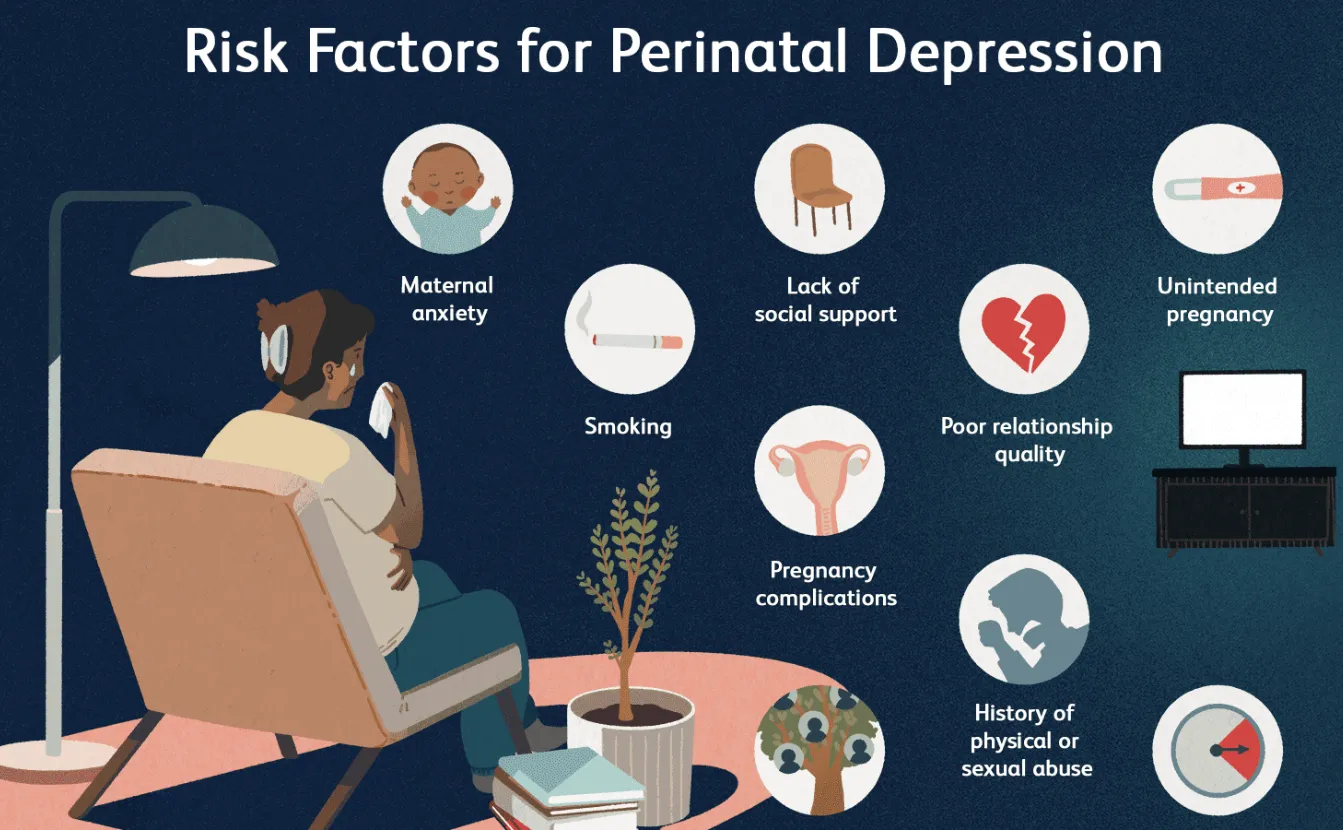
During this time, women undergo dramatic changes — physically, emotionally, hormonally, and socially. These shifts can trigger or worsen mental health conditions such as:
- Postpartum depression (PPD)
- Generalized anxiety or postpartum anxiety (PPA)
- Perinatal OCD or intrusive thoughts
- Postpartum PTSD (often after traumatic birth or NICU experience)
- Bipolar disorder onset
- Adjustment disorders or unresolved grief
Perinatal therapy aims to address these issues early and effectively, preventing escalation and promoting healing.
Why Is Perinatal Mental Health So Critical?
Untreated maternal mental health issues don’t just affect the mother — they impact the entire family.
- Babies may struggle with bonding or emotional development.
- Partners may experience secondary trauma or stress.
- Relationships suffer, and long-term family dynamics may shift.
- Mothers may miss early moments of connection with their child, leading to guilt or shame.
But it doesn’t have to be this way. With timely perinatal therapy, outcomes improve dramatically.
Studies show that mothers who receive appropriate mental health treatment during or after pregnancy report:
- Better emotional regulation
- Stronger mother-baby bonds
- Healthier relationships with partners
- Reduced risk of future mental health challenges
- Enhanced parenting confidence and satisfaction
Signs You Might Need Perinatal Therapy
Perinatal distress is not always obvious — and it doesn’t always look like sadness. Many women experience symptoms that get dismissed as “normal new mom stuff.” But persistent emotional struggles deserve attention.
Here are some red flags to watch for:
- Constant anxiety, panic attacks, or racing thoughts
- Unexplained irritability, anger, or rage
- Feeling disconnected from your baby or partner
- Excessive guilt, shame, or fear of being a “bad mom”
- Obsessive thoughts or compulsive behaviors
- Flashbacks or distress related to childbirth
- Difficulty sleeping (even when the baby sleeps)
- Loss of appetite, joy, or motivation
- Thoughts of self-harm or harming the baby
These symptoms are not character flaws or signs of weakness. They’re clinical indicators that you may benefit from perinatal therapy.
What Happens During Perinatal Therapy?
Therapy during the perinatal period focuses on your unique emotional experience as a mother — whether you’re pregnant, postpartum, or navigating both.
Depending on your needs, sessions may include:
1. Talk Therapy (Individual Counseling)
A licensed therapist helps you explore your emotions, identify patterns, and develop healthy coping strategies. Many use evidence-based techniques like:
- Cognitive Behavioral Therapy (CBT)
- Interpersonal Therapy (IPT)
- Dialectical Behavior Therapy (DBT)
- Attachment-focused approaches
2. Trauma-Informed Therapy
Ideal for women who have experienced:
- Traumatic birth
- Miscarriage, stillbirth, or infant loss
- NICU hospitalization
- Past sexual or medical trauma
This therapy emphasizes safety, empowerment, and restoring a sense of control.
3. Couples or Family Therapy
Perinatal mental health affects partners too. Including them in therapy can strengthen communication, division of responsibilities, and mutual support.
4. Group Therapy or Support Circles
These provide solidarity and reduce isolation. Hearing others say “me too” can be incredibly healing.
The Role of Medication in Perinatal Mental Health
Some women hesitate to seek help out of fear they’ll be prescribed medication — especially if they’re pregnant or breastfeeding. But the goal of perinatal therapy is to provide individualized care.
Medication may be appropriate in some moderate to severe cases and is always discussed collaboratively. If medication is needed, psychiatrists can prescribe safe, evidence-backed options that are compatible with pregnancy and lactation.
Therapy, however, remains the first-line treatment for many perinatal mood and anxiety disorders.
Benefits of Perinatal Therapy
Perinatal therapy isn’t just for those in crisis. It offers proactive support for a variety of situations:
- Processing identity changes from woman to mother
- Navigating fertility struggles or pregnancy loss
- Preparing for labor and postpartum
- Managing expectations versus reality
- Addressing previous trauma that resurfaces during pregnancy
- Coping with overwhelm, intrusive thoughts, or sleep deprivation
- Building emotional resilience during one of life’s biggest transitions
Therapy offers a judgment-free space to cry, vent, reflect, and grow — all with the support of a trained professional who understands the complexities of maternal mental health.
Why Perinatal Therapy Is Still Overlooked
Despite its proven benefits, perinatal therapy remains underutilized. Why?
- Stigma: Many mothers fear judgment, or being labeled “unstable.”
- Guilt: They worry they should “just be grateful” for a healthy baby.
- Logistics: Lack of time, childcare, or access to providers.
- Lack of Screening: Many OBs don’t regularly screen for perinatal mental health concerns.
- Cultural Barriers: In some communities, mental health is taboo or misunderstood.
It’s time we break these barriers. Mothers shouldn’t have to choose between their well-being and the perception of being strong.
Finding a Qualified Perinatal Therapist
Not all therapists are trained in perinatal mental health. Look for someone who has experience or certifications in:
- Postpartum Support International (PSI) training
- Perinatal Mood and Anxiety Disorders (PMADs)
- Trauma-informed care
- Women’s health or reproductive psychology
Clinics like Postpartum Mental Health specialize in providing comprehensive care for women across the perinatal spectrum, including therapy, medication management, and holistic support.
What to Expect at Your First Session
Feeling nervous? That’s normal. Your first therapy session may include:
- A full emotional and mental health assessment
- Talking through current stressors and symptoms
- Discussing your history with mental health, trauma, or prior pregnancies
- Setting goals for treatment (e.g., reducing anxiety, improving sleep)
- Exploring how therapy will fit into your routine
It’s a conversation — not an interrogation. You don’t need to have all the answers. You just need to show up.
The Impact of Perinatal Therapy on Families
When mothers receive the care they need, the ripple effects are powerful:
- Babies thrive with emotionally attuned, present caregivers.
- Partners feel more supported and included.
- Family bonds strengthen, even under stress.
- Mothers feel empowered, seen, and validated.
Mental health is a foundational part of motherhood — not a luxury, and certainly not a weakness.
How to Talk About Therapy with Loved Ones
If you’re considering perinatal therapy and aren’t sure how to bring it up, try:
- “I want to be the best mom I can be — and that means caring for my mind as well as my body.”
- “I’ve been feeling overwhelmed lately and think talking to a therapist could help.”
- “Therapy isn’t a sign something’s wrong. It’s how I make sure things go right.”
- “This isn’t about being ungrateful — it’s about being human.”
Vulnerability can be uncomfortable, but it often leads to stronger, more honest connections.
Final Thoughts: You Deserve This Support
Motherhood is a miracle — but it’s also a monumental adjustment. You were never meant to do it alone.
Whether you’re newly pregnant, healing from birth, or navigating the chaos of early parenthood, perinatal therapy can offer a lifeline. It’s not just about treating symptoms — it’s about preserving your identity, your peace of mind, and your joy.
You matter, too.
If you’re ready to explore your options, connect with a provider who understands what you’re going through. Clinics like Postpartum Mental Health are here to walk with you every step of the way.