
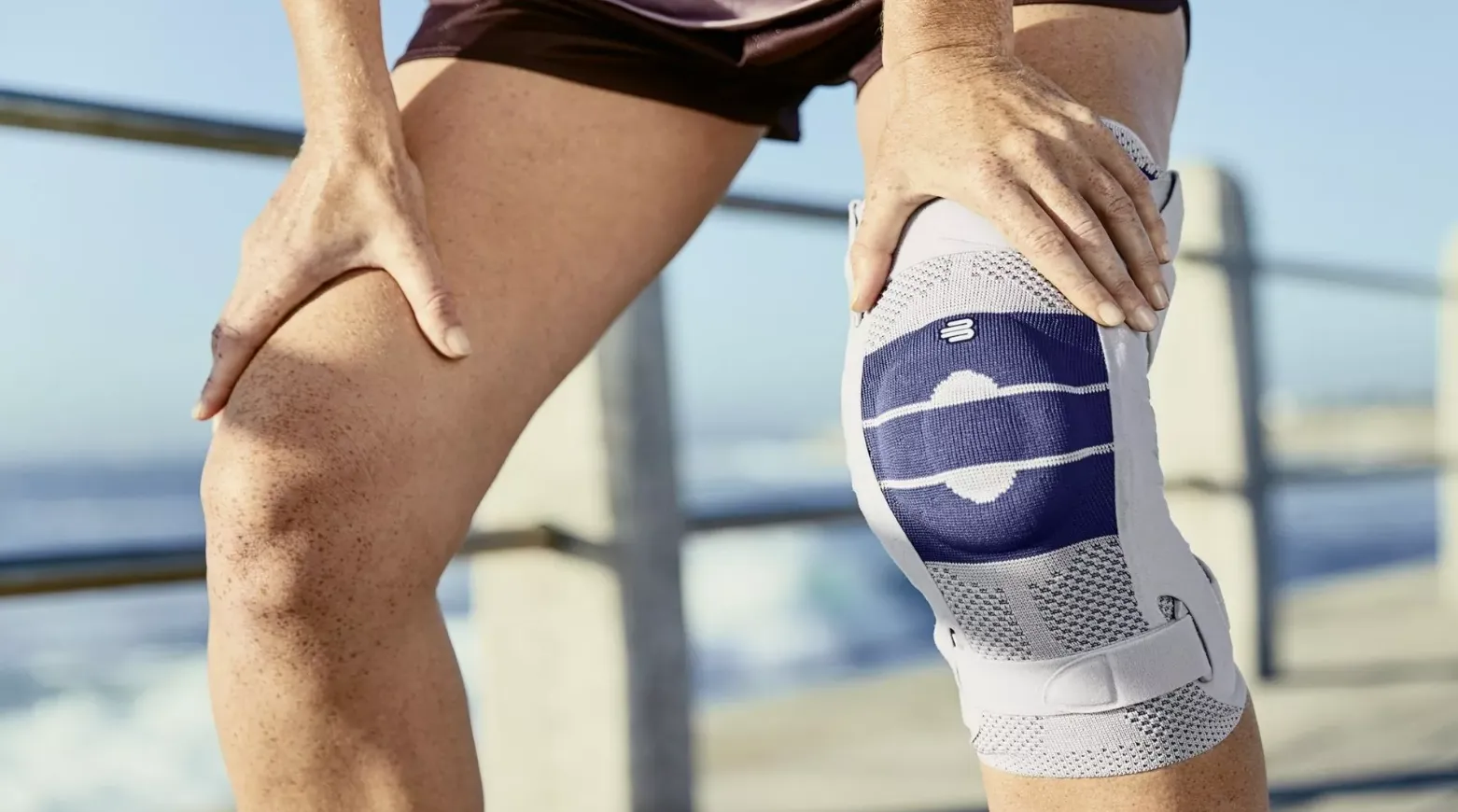
Knee injuries are more common than most people think. Around 2.5 million sports-related knee injuries are treated each year in the United States alone. Recovery is slow, painful, and easy to mess up. The right support makes a real difference, and that is where a hinge knee brace comes in. It is not just a piece of equipment. It is a recovery tool that keeps your joint aligned, limits harmful movement, and gets you back on your feet faster. This article breaks down how it works and why it matters.
What Actually Happens to Your Knee When You Get Injured?
Your knee is held together by four main ligaments. The ACL, PCL, MCL, and LCL. When one of them tears or gets stretched too far, the joint loses its natural stability. It moves in ways it should not. That is where the damage gets worse. Studies show that ACL tears make up about 40% of all serious knee injuries in athletes. Once the structure is compromised, the surrounding muscles try to compensate. They tighten up, fatigue fast, and sometimes that leads to secondary injuries. Your body is doing its best. But it needs help.
How Does a Hinged Brace Actually Improve Stability?
A hinged brace uses rigid side arms with pivot points that mirror how your knee is supposed to move. It only allows motion within a safe range. You can flex and extend. You cannot twist sideways or hyperextend. That controlled movement is exactly what healing tissue needs. Research published in the Journal of Orthopaedic Research found that post-surgical patients using hinged braces had 34% better knee stability scores in the first 12 weeks compared to those without bracing. The brace does not do the work for you. It draws a clear line around what safe movement looks like and keeps you inside it.
Is Bracing Just for After Surgery?
No. That is a common misconception. Hinged braces are used in three situations. Before surgery, to manage swelling and maintain function. After surgery, to protect the repair as it heals. And sometimes instead of surgery, for partial tears or sprains that respond to conservative treatment. A 2022 study in the American Journal of Sports Medicine showed that Grade II MCL injuries managed with bracing and physiotherapy had comparable outcomes to surgical cases in over 70% of patients. The brace is not a shortcut. It is a clinical decision made based on injury severity and lifestyle.
What Do the Hinges Actually Do That a Soft Brace Cannot?
Soft braces add compression. That is it. They reduce swelling and give mild proprioceptive feedback, which means your brain gets better signals about where your knee is in space. That helps with balance. But soft braces offer zero structural support. If your ligament is torn, a neoprene sleeve will not stop abnormal movement. Hinged braces have polycentric or monocentric joints depending on the model. Polycentric hinges move in an oval path, mimicking the natural motion of the knee more closely. These are preferred for post-operative care. Monocentric hinges are simpler and more common in functional or prophylactic use.
How Long Should You Wear a Hinged Brace During Recovery?
It depends on the injury and the surgeon or physio’s protocol. For ACL reconstruction, bracing is often recommended for 6 weeks post-op, sometimes longer for contact sport return. For ligament sprains without surgery, 4 to 8 weeks is typical. The brace does not replace physiotherapy. In fact, wearing it without doing the rehab exercises is counterproductive. Muscle atrophy sets in quickly. Studies show up to 30% quadriceps strength loss within the first two weeks of immobilization without active rehab. The brace buys you time to heal. Exercise fills the gap the brace will eventually leave.
Does Wearing a Brace Weaken Your Knee Long Term?
This is the fear most patients have. The answer is no, not if used correctly. Prolonged reliance without rehab can reduce neuromuscular activation. But when used alongside a structured physiotherapy program, bracing shows no negative effects on long-term strength or proprioception. A meta-analysis from 2020 covering over 3,000 knee injury cases found no significant difference in long-term joint function between braced and non-braced recovery groups, as long as exercise compliance was maintained. The brace is a phase. Not a lifestyle. Your rehab program decides what your knee looks like six months from now.
What Should You Look For When Choosing a Hinged Knee Brace?
Fit is everything. A poorly fitted brace migrates down the leg during use, which makes it useless and sometimes irritating. Look for adjustable strapping, frame rigidity rated for your activity level, and hinge type appropriate for your injury stage. Off-the-shelf options work for mild to moderate cases. Custom-fitted braces are prescribed for post-surgical recovery or complex instability. Weight matters too. Lighter carbon fiber frames are used in high-performance rehab. Heavier steel frames are used for maximum control right after surgery. Talk to an orthotist or physiotherapist before choosing. The wrong brace at the wrong stage is worse than no brace.