
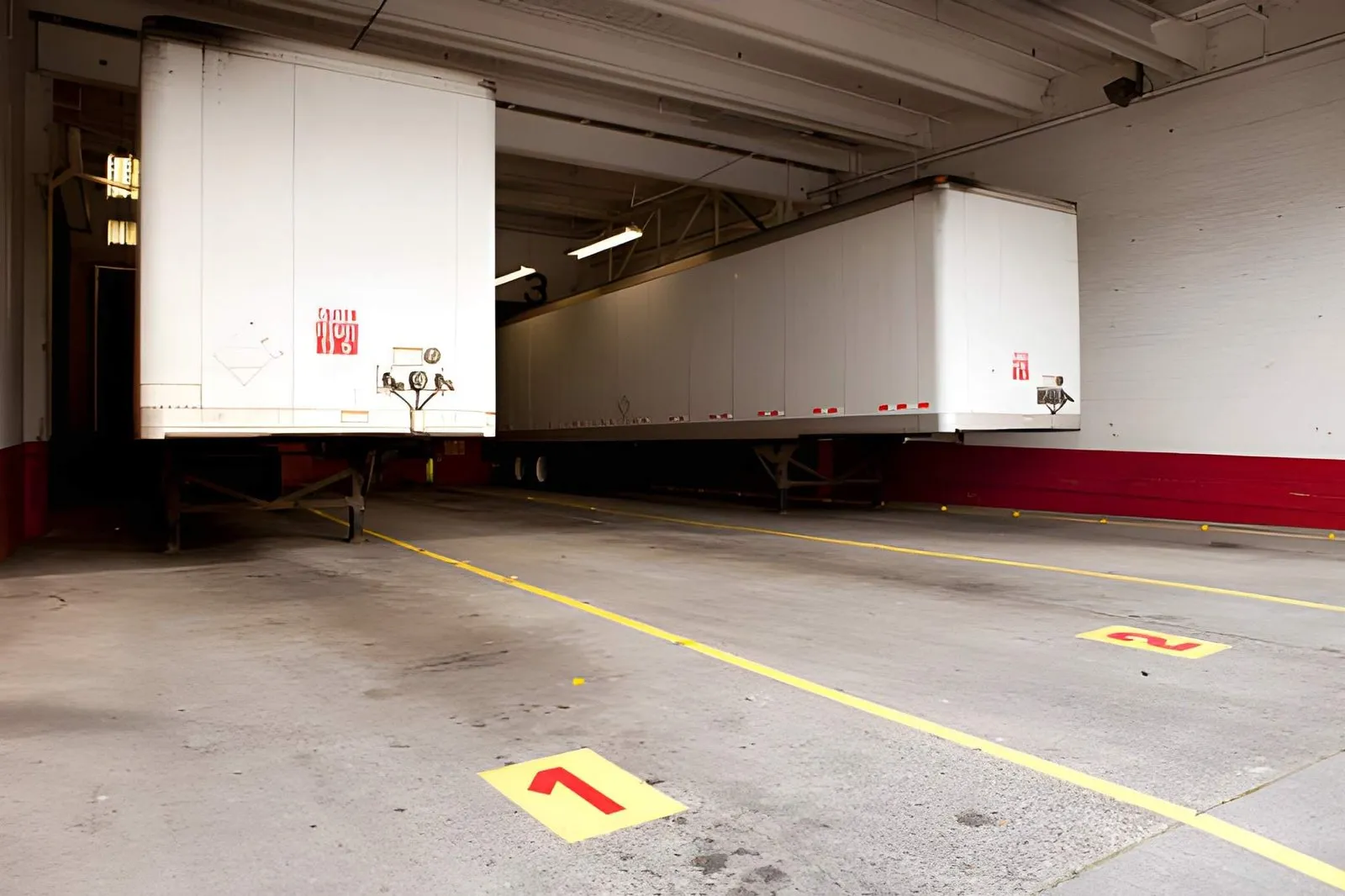
A ten foot enclosed trailer does not fit through a nine foot overhead door. Not at an angle, not with the tires half aired down, not with a running start. That twelve inch shortfall is the most expensive detail a first-time shop tenant in Colorado Springs can miss, and it usually gets discovered on move-in day, which is how overhead door installation colorado springs co lands on a budget nobody built. Settle the opening before you sign, because every version of the fix costs more once the lease is executed.
Say the bay is eighteen hundred square feet, two blocks off a light industrial strip, priced right and available in three weeks. Everything about it works except the door. The listing advertises fourteen foot ceilings, the tenant reads that as room to spare, and it is room to spare, just not in the place that decides whether the trailer gets inside.
Who Pays For The Door Depends On The Lease
Read the alterations clause before you read the rent number. Commercial leases vary enormously, and plenty of them hand over the space as is, which in practice means the landlord’s obligation stops at a roof that does not leak. Some owners will split the cost of a bigger door, some will amortize it into rent across the term, and some will decline and mean it. What counts as a permitted alteration, and who ends up owning the improvement at the end of the term, differs by contract and by state, so treat anything you read online as a reason to ask your own attorney rather than as an answer.
I could not find anyone who actually tracks how often a small commercial lease puts a door modification on the tenant instead of the owner. Brokers have opinions about it. Nobody appears to count it. What turns up more often than not, at least in the deals tenants describe, is a landlord who is fine with the change as long as the tenant pays for it and the work is permitted and professionally installed.
Clear Opening Is Not The Same As Door Size
A nine foot door does not hand you nine feet. The clear opening is whatever survives after the header, the track, the opener rail and the weather seal take their share, and on an older commercial bay that can quietly cost you two to four inches against the number on the drawing. Then there is headroom, which installers use to mean the gap between the top of the opening and the lowest thing hanging off the ceiling, ductwork and light fixtures included. Low headroom track exists for exactly this situation, though it changes both the hardware and the quote.
Measure it yourself. Run a tape from the finished floor to the underside of the header at the center of the opening, then again at each jamb, because industrial slabs are rarely level and the tape measure does not negotiate. Write down all three numbers and hand the smallest one to the installer.
Trailer And Equipment Heights Set The Spec
Start from the tallest thing that has to pass through, never from the door catalog. A ten foot enclosed trailer wearing a roof vent and a rooftop air conditioner can measure closer to ten foot six loaded on the hitch, and an apron that slopes up into the bay changes the effective height all over again. Add six inches of clearance to whatever you measure, then round up to the next standard size. Twelve foot doors show up in this class of building for a reason.
Price it now rather than next spring. Construction Dive reported in February 2026 that tariff-affected materials pushed construction input prices up 0.7% month over month in January, with nonresidential costs running at a 7.1% annualized rate. Steel sections, track and openers all sit inside that same basket of inputs. A quote for overhead door installation colorado springs co gathered in February and another one gathered in August are not quotes on the same market, and the estimate that carries a written expiration date is the one to trust.
Removal is not a weekend project. The torsion spring above an existing commercial door stores enough energy to break bones, and it has to be unwound with proper winding bars by someone trained to do it. Hire the removal and installation out together, and have the old system hauled off as part of the scope.
Ask The Installer And The Landlord These
Three phone calls settle most of this. The installer answers what physically fits in the wall you have. Everything else splits between the landlord, who answers who pays and whether the change is permitted at all, and the city, which answers whether the swap needs a permit and an inspection. Make the installer call first, because that answer changes what you are actually negotiating.
- What is the real clear opening after the new track and opener are installed? A good answer comes back in inches, not in door sizes.
- Will this header carry a taller opening, or does the wall need structural work first? A good answer names who signs off on that, an engineer or the building department.
- Is a permit required for this swap here, and who pulls it? A good answer is that the installer pulls it and the fee already sits on the quote.
- How long is the bay unusable during removal and installation? A good answer is a range in hours or days, plus a plan for securing the opening overnight.
- What is the warranty on the sections, on the springs, and on the labor? A good answer separates all three instead of quoting one number.
Get the landlord’s answer in writing, even if writing means a two line email. Verbal permission from a property manager who leaves the company in March is worth nothing at all in June, and the tenant is the one holding the invoice. Attach the installer’s written scope to that same email so the approval covers the work that actually happens.
Settle The Door Before You Sign
A door is cheap to solve while you still have leverage and miserable to solve once you do not. A first lease gives you exactly one window where the landlord wants the space filled more than you want the space, and that window closes at signature. Measure the trailer, measure the opening, collect one written quote, and put both numbers on the table before the rent and the term get settled. Worst case, the answer is no and you go look at another bay. Best case, one foot of opening costs less than a year of backing a trailer into a lot and unloading it in the weather.