
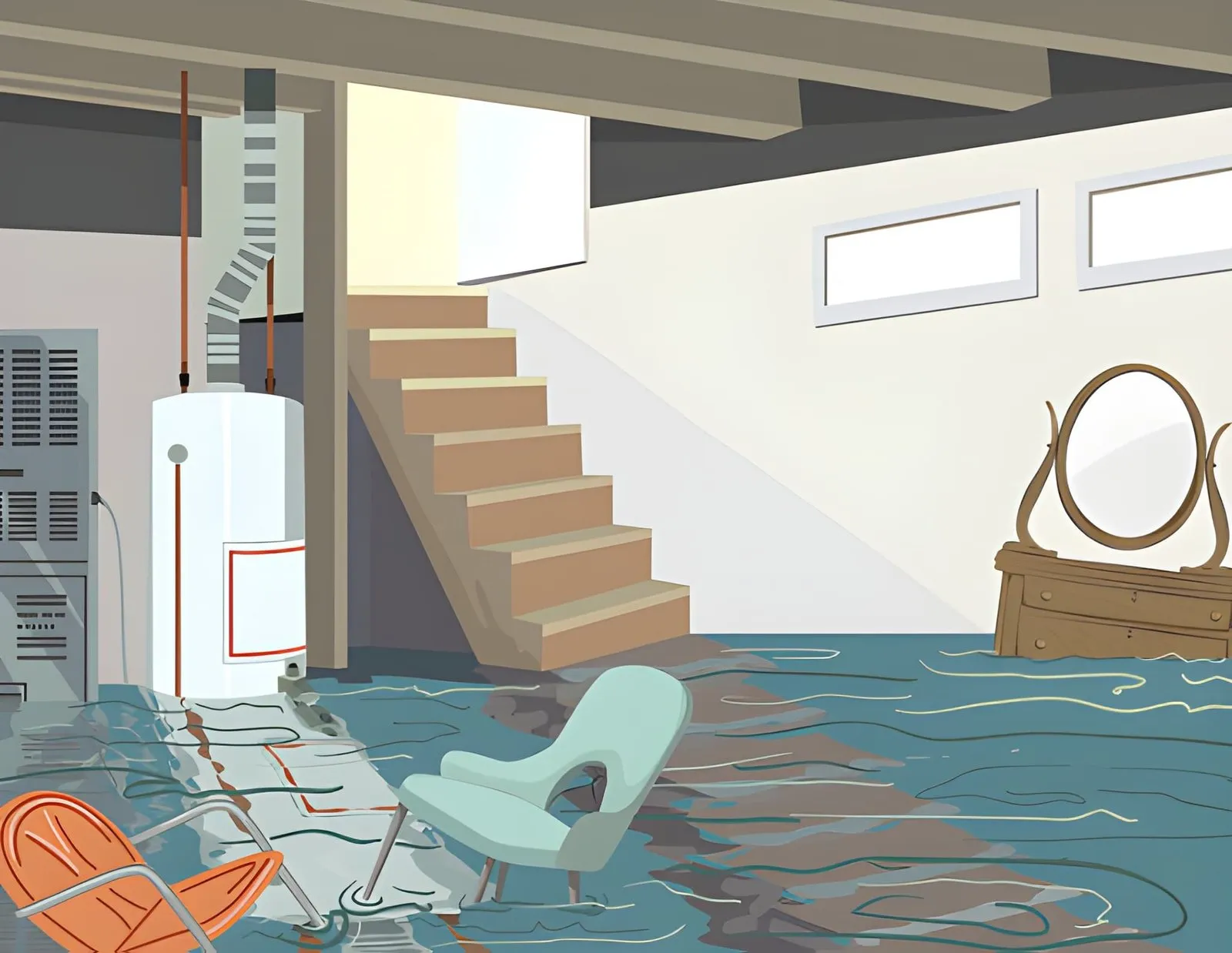
Discovering water in your basement can trigger an understandable urge to start cleaning immediately. Unfortunately, rushing in without knowing where the water came from or whether the area is safe can turn property damage into a much more serious problem.
The first priority isn’t saving boxes or drying the floor. It’s making sure you can enter safely and stop more water from getting in. Once immediate hazards have been addressed, equipment such as a water pump may help remove standing water, but the right approach depends on the depth of the flooding, its source and the condition of the property.
Knowing what to do in those first few hours can limit damage and make the clean-up far more manageable. Just as importantly, knowing what not to do can protect you from electrical hazards, contaminated water and expensive mistakes.
Don’t Walk Straight Into the Water
Even relatively shallow flooding can hide hazards.
If water has reached electrical outlets, appliances, extension leads or other electrical equipment, don’t enter the flooded area. Electricity and standing water are an extremely dangerous combination.
If you can safely disconnect electricity to the affected area without approaching the water, do so. Otherwise, stay clear and contact a qualified professional.
You should also consider where the water came from. Clean rainwater is very different from flooding involving sewage or contaminated groundwater. If you suspect contamination, professional clean-up may be the safest option.
Find Out Where the Water Is Coming From
Removing water won’t accomplish much if more is still entering the basement.
Look for an obvious source from a safe location. Common causes can include:
- Heavy rainfall or surface water
- Blocked or overflowing drains
- Burst or leaking pipes
- Failed appliances
- Foundation leaks
- Sewer backups
If a plumbing leak is responsible, shutting off the property’s main water supply may prevent further damage. Flooding caused by severe weather or drainage problems may require a different approach.
Understanding the cause also helps you work out what needs to be repaired once the immediate mess has been cleared.
Don’t Remove Large Amounts of Water Too Quickly
Getting every drop of water out as quickly as possible might seem logical, but significant basement flooding can be more complicated.
After widespread flooding or unusually high groundwater levels, the soil surrounding a basement may be saturated. Water outside the foundation creates pressure against basement walls and floors. Removing a large volume of water from inside too quickly can potentially increase the difference in pressure.
For serious flooding, particularly when water levels are high outside as well, seek professional advice before attempting rapid removal.
Move Belongings When It’s Safe
Once the area has been declared safe to enter, start moving vulnerable belongings somewhere dry.
Prioritise items that are particularly susceptible to moisture, including documents, photographs, electronics, fabrics and cardboard boxes. Plastic storage containers may provide better protection for possessions you routinely keep below ground level.
Don’t worry about sorting everything immediately. Moving salvageable belongings into a dry, well-ventilated space is the priority.
Items that have absorbed contaminated floodwater may need to be discarded rather than cleaned.
Start Drying the Area Properly
Removing visible water is only the beginning.
Moisture can remain inside carpets, timber, drywall, insulation and furniture long after the floor appears dry. Left untreated, this dampness can contribute to mould growth and further deterioration.
Depending on the situation, drying may involve:
- Fans to improve air movement
- Dehumidifiers to reduce moisture
- Removing saturated carpet or underlay
- Opening internal doors to improve circulation
- Removing damaged porous materials
Keep electrical safety in mind when using any powered drying equipment in previously flooded areas.
Document the Damage Before Throwing Things Away
Before the major clean-up begins, take photographs and videos of the affected areas and damaged possessions.
If you intend to make an insurance claim, this documentation may help demonstrate the extent of the loss. Photograph water levels where possible, damaged walls and flooring, affected appliances and individual valuable items.
Keep receipts for emergency repairs, equipment hire and professional services as well.
Work Out Why It Happened
Once the basement is dry, don’t simply put everything back and forget about the flood.
A flooded basement is often a warning that something needs attention. Check drainage around the property, gutters and downspouts, plumbing, foundation cracks and other potential entry points.
The goal isn’t simply to recover from this flood. It’s to reduce the likelihood that you’ll have to go through the same clean-up again.
Taking a careful approach may feel slower when you’re staring at a basement full of water, but safety comes first. Identify the source, avoid electrical and contamination risks, document the damage and dry the space thoroughly. Those extra precautions can make the difference between a manageable clean-up and a much bigger problem.