
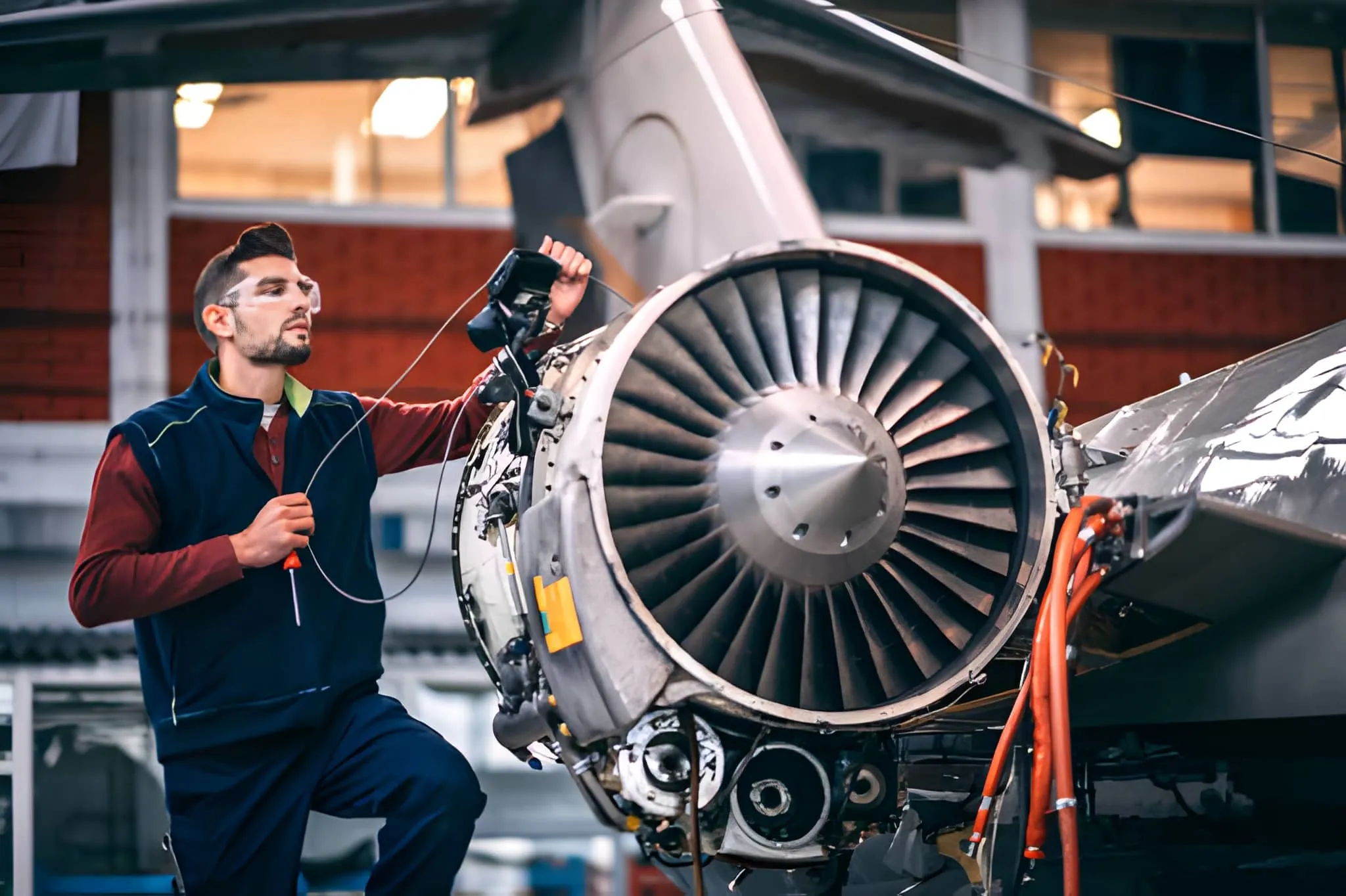
Aircraft maintenance teams operate under intense pressure to keep aircraft safe, reliable, and operational. The aviation industry depends on these professionals to perform thousands of tasks with precision, often under tight schedules and demanding regulatory requirements. Modern maintenance operations face a unique combination of technical, organizational, and resource-based obstacles that make the work increasingly complex. These challenges affect not only the teams performing the work but also the airlines and passengers who depend on well-maintained aircraft. Understanding these obstacles helps you recognize the pressures that maintenance personnel navigate daily. The industry continues to evolve, bringing new complications alongside advancements in aircraft technology.
1. Aging Fleet and Obsolete Documentation
Many airlines operate aircraft that have been in service for decades, and maintaining older planes requires specialized knowledge and hard-to-find replacement parts. As aircraft age, components wear differently than manufacturers originally predicted, creating maintenance scenarios that technicians must troubleshoot with limited technical guidance. Documentation for vintage aircraft may be incomplete, damaged, or stored in formats that are difficult to access quickly during maintenance work. Technicians must often consult multiple reference sources and rely on institutional knowledge from experienced staff members who may be nearing retirement. The transition of this knowledge to newer team members becomes critical, yet time constraints and training budgets frequently limit opportunities for comprehensive skill transfer. When parts become unavailable, maintenance teams must source components from specialized vendors or pursue expensive workarounds that extend downtime.
2. Supply Chain Disruptions and Parts Availability
Obtaining replacement parts remains one of the most persistent challenges in aircraft maintenance operations today. Aircraft maintenance requires highly specialized components manufactured to exacting standards, and many parts come from limited suppliers with long lead times. When unexpected failures occur, waiting weeks or months for parts can ground aircraft and disrupt airline schedules. Supply chain disruptions, whether caused by manufacturing delays, shipping complications, or geopolitical factors, create unpredictable maintenance windows. Maintenance teams must manage inventory strategically, balancing the cost of storing expensive parts against the risk of unexpected shortages. When sourcing critical aviation components and equipment, professionals who need to locate certified parts and supplies across a wide range of aircraft systems can turn to Pilot John International to find the aviation products they need to keep operations moving. This balancing act becomes more difficult when maintenance requests change rapidly or when multiple aircraft require repairs simultaneously.
3. Regulatory Compliance and Documentation Requirements
Aircraft maintenance operates under strict regulatory frameworks that vary by region and aircraft type, requiring meticulous documentation and adherence to complex procedures. Maintenance teams must comply with regulations from organizations that establish detailed maintenance schedules, repair standards, and reporting requirements. Each maintenance action must be recorded accurately, creating extensive paperwork and digital records that demonstrate compliance to regulatory inspectors. Technicians face pressure to complete maintenance work efficiently while simultaneously maintaining perfect documentation standards that protect safety and legal standing. When regulations change, training and procedure updates must cascade through entire organizations quickly, adding administrative burden to teams already focused on technical work. Non-compliance carries serious consequences including fines, grounding of aircraft, and damage to an airline’s safety record and reputation.
4. Skilled Workforce Shortages and Training Gaps
The aircraft maintenance industry faces a significant shortage of experienced technicians, as fewer young people pursue careers in aviation maintenance and many experienced workers retire without adequate replacements. Training new maintenance technicians requires years of structured education, hands-on experience, and certification, creating a lengthy pipeline before new workers become fully productive. Existing team members often find themselves training newcomers while maintaining regular maintenance schedules, stretching their time and attention across competing priorities. Geographic factors also complicate workforce challenges, as maintenance facilities may be located in areas where attracting skilled workers is difficult. High stress levels and demanding schedules contribute to burnout among experienced technicians, further reducing retention rates. Organizations must invest heavily in training programs, competitive compensation, and workplace improvements to build and maintain adequate staffing levels.
5. Technological Complexity and Rapid Innovation
Modern aircraft incorporate increasingly sophisticated avionics, electrical systems, and computerized components that require specialized diagnostic equipment and advanced technical knowledge. When new aircraft models enter service, maintenance teams must rapidly develop expertise in unfamiliar systems while continuing to support existing fleets. Diagnostic tools become outdated as manufacturers introduce new technologies, requiring continuous investment in updated equipment and software. Technicians must stay current with evolving technology standards and repair procedures, necessitating ongoing education that competes for time and training budgets. Cybersecurity concerns have added another dimension to maintenance work, as aircraft systems become connected and vulnerable to digital threats. The pace of technological change often outstrips the ability of maintenance organizations to train staff and update facilities accordingly.
6. Time Pressure and Maintenance Scheduling Conflicts
Maintenance teams operate under constant pressure to complete work quickly, as every hour an aircraft remains in maintenance represents lost revenue for airlines. Scheduled maintenance must often be compressed into narrow windows between flights, leaving minimal margin for unexpected complications. When emergency repairs arise, they must be prioritized against existing maintenance schedules, creating conflicts that frustrate planning efforts. Maintenance teams cannot simply add more hours to resolve issues faster, as regulations require adequate rest periods and prohibit excessive overtime. Balancing thorough, careful maintenance work against pressure to minimize aircraft downtime creates psychological stress for technicians who understand the safety implications of rushed work. This tension between efficiency and thoroughness remains one of the most difficult aspects of modern aircraft maintenance operations.
Conclusion
Aircraft maintenance teams face multifaceted challenges that extend far beyond the technical aspects of repair and inspection work. The combination of aging aircraft, supply chain complications, regulatory demands, workforce shortages, technological complexity, and time pressures creates an environment where even highly skilled professionals must navigate constant obstacles. These challenges affect aircraft safety, airline profitability, and industry reliability on a broad scale. Addressing these issues requires coordination among airlines, manufacturers, regulators, and maintenance organizations to develop sustainable solutions. Understanding the full scope of these challenges helps you appreciate the expertise and dedication that maintenance teams bring to their critical work every day.