
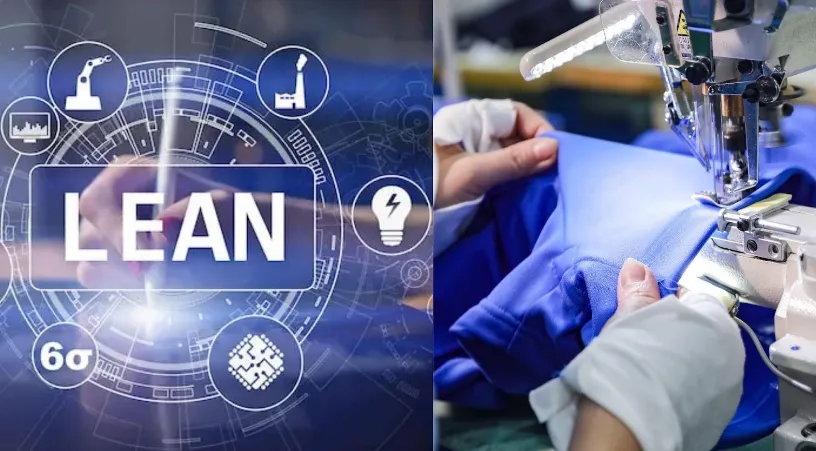
In today’s fast-paced fashion industry, delivering high-quality products on time while keeping costs under control is a constant challenge. That’s where LEAN manufacturing steps in. Designed to reduce waste and improve workflow, LEAN helps clothing manufacturers streamline operations and become more efficient. Whether you’re a fashion brand or an activewear manufacturer, adopting LEAN practices leads to better productivity, fewer errors, and faster delivery—all while supporting more sustainable production.
What is LEAN Manufacturing and Why Does It Matter in Garment Production?
LEAN manufacturing is a method that helps factories work more efficiently—not by speeding up every task, but by removing unnecessary steps and simplifying the process. It’s about doing things smarter, with fewer resources and less waste.
In garment manufacturing, where products change frequently and timelines are tight, even small inefficiencies can cause delays, extra costs, or quality issues. LEAN provides a structure that helps teams identify and solve these problems early. This makes the entire supply chain—from fabric sourcing to final inspection—more predictable and reliable.
For brands, this means more flexibility to adapt to trends and a more stable production schedule. For manufacturers, it means better teamwork, clearer processes, and lower production costs. LEAN is especially valuable for an activewear manufacturer, where designs change often and performance materials require extra care during production.
Another key part of LEAN is its focus on continuous improvement. Factories that use LEAN constantly look for ways to improve—not just when problems occur, but to prevent issues in the first place. LEAN methods can be adapted to different types of apparel, whether it’s large-volume basics or small-batch fashion collections.
As customer expectations grow and global sourcing becomes more complex, LEAN helps garment businesses become faster, more flexible, and more sustainable in how they operate.

LEAN manufacturing is a modern management approach that helps factories operate smarter, not just faster
Core Principles of LEAN and How They Work in Real Garment Factories
LEAN manufacturing is guided by core principles that focus on reducing waste and improving production flow. These ideas aren’t just theory—they’re put into action every day on garment factory floors.
One major principle is Just-in-Time (JIT). This means materials arrive only when needed, not before. It helps avoid overstocking and keeps production areas clear and organized. In a garment factory, this could mean receiving fabrics and trims right before cutting, so nothing sits unused or gets lost in storage.
Another important idea is Kaizen, or continuous improvement. Everyone on the factory floor, from sewing operators to line supervisors, is encouraged to share ideas on how to improve tasks. For instance, adjusting the layout of a sewing line can reduce unnecessary movement, lower worker fatigue, and speed up production.
Factories also apply the 5S method—Sort, Set in order, Shine, Standardize, Sustain—to keep workspaces clean, organized, and efficient. When tools are easy to find and workstations are well-arranged, mistakes are reduced and workers can stay focused on quality.

The 5S system is widely used in garment factories to improve workplace organization
Standardized Work is another LEAN strategy. It means clearly defining the best way to perform each task and making sure it’s done the same way across all shifts. In garment manufacturing, this leads to consistent output, fewer defects, and smoother training for new staff.
By putting these principles into practice, manufacturers can respond more quickly to changes, improve quality, and run operations more smoothly. It’s not about working harder—it’s about working smarter.
Why Brands Benefit from Working with a LEAN-Focused Manufacturer
Choosing a manufacturer that uses LEAN methods brings major advantages for fashion brands. With processes built around reducing waste and improving speed, LEAN production helps brands stay on schedule and control costs.
One of the biggest benefits is faster turnaround. When factories run efficiently, they can complete orders more quickly without compromising quality. For brands trying to keep up with fast-changing trends, this speed is a game-changer.
LEAN systems also support better quality through standardization and clear workflows. With fewer errors and more reliable outputs, brands can deliver consistently great products, earning trust from customers and avoiding costly rework or returns.
LEAN manufacturing also supports sustainability. By reducing material waste and optimizing how energy and water are used, LEAN helps create more environmentally friendly operations. This aligns with what customers now expect from responsible brands—and makes working with sustainable clothing manufacturers more important than ever.
For example, a sustainable clothing manufacturer using LEAN methods might reduce fabric waste during cutting, use less water in washing processes, or implement energy-efficient lighting—all while maintaining high production standards.
In summary, LEAN helps create a stronger, more agile production chain that’s built for today’s fashion world. Whether you’re looking to increase speed, improve quality, or meet eco goals, partnering with a LEAN-driven manufacturer is a smart move.

Collaborating with a manufacturer that applies LEAN principles offers significant benefits for fashion and apparel brands
In conclusion, LEAN manufacturing offers real value for the modern apparel industry. It helps both brands and manufacturers work more efficiently by cutting waste, improving speed, and building stronger systems for quality and sustainability. Whether you’re a global brand or an activewear manufacturer focused on performance and quick delivery, LEAN gives you the tools to meet customer demands without losing control of costs or timelines.
In a world where every second—and every resource—counts, LEAN isn’t just a way to improve production. It’s a long-term strategy that builds resilience, supports sustainability, and helps fashion businesses thrive in a fast-changing market.