
Somewhere between the Zoom fatigue and the surge of emojis in Slack channels, something became crystal clear: digital doesn’t always deliver. In a world that’s increasingly optimized for screen time, the value of in-person interactions has taken on new weight. Whether you’re bumping shoulders with industry titans or swapping business cards over lukewarm coffee, there’s a kind of magic that still thrives in live events. You know the ones, where even a small detail like your Custom Lanyard feels like part of the experience, not just a functional ID holder.
Live events aren’t just stubborn relics of a pre-pandemic world. They’re evolving, adapting, and in many cases, thriving. And for good reason.
The Sensory Power of Face-to-Face
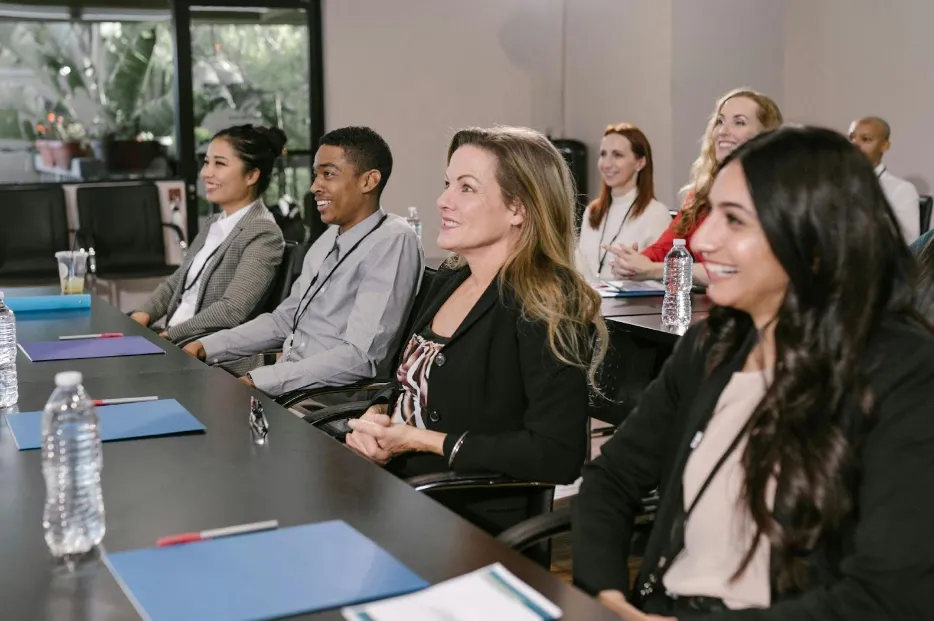
Let’s be honest. Watching a keynote speech on a screen while half-answering emails is not the same as sitting in a packed auditorium, feeling the buzz of anticipation. The ambient energy, the spontaneous conversations in hallways, the applause that reverberates through your chest, none of that can be downloaded.
Human connection is multi-sensory. We rely on visual cues, tone of voice, micro-expressions, things that even the most high-def webcam can’t fully capture. Live events reignite that primal need for real-world engagement.
Trust, Attention, and the ROI of Presence
In-person interactions naturally foster trust. A firm handshake or an honest conversation over lunch can build stronger business relationships than a dozen LinkedIn DMs ever will. For businesses, this means leads gained at conferences often come preloaded with credibility.
Studies have shown that people retain information better when it’s delivered in person. According to a Stanford study on communication effectiveness, in-person meetings generate more ideas, lead to faster decision-making, and foster more engagement compared to virtual ones. That means better ROI for attendees, and sponsors alike.
The Tangible Brand Experience
Ever noticed how a good event leaves you with more than a tote bag full of brochures? It’s the branding, the visuals, the little touches. Your badge, your event pass, even your lanyard, each piece reinforces the identity of the event and, by extension, its sponsors and organizers.
Branded items like lanyards aren’t just accessories, they’re part of a visual ecosystem. When done right, they create familiarity, cohesion, and even a sense of belonging. It’s why so many organizations obsess over whether to choose polyester or nylon, flat or tubular, printed or embroidered. These small design choices feed into a larger story being told, one that participants carry around their necks.
Economic Impact of the Conference Circuit
It’s not just about brand love and networking. The conference industry is big business. According to the U.S. Travel Association, business travelers account for hundreds of billions in spending annually, with a significant portion tied directly to conventions, meetings, and trade shows.
Local economies thrive on these gatherings. Hotels fill up. Restaurants get booked solid. Transit systems get a temporary boost. The ripple effects go deep, from caterers and AV technicians to freelance photographers and stage designers.
And for emerging cities looking to brand themselves as innovation hubs, hosting a major conference can be a turning point. Think of Austin during SXSW or Las Vegas during CES, these events practically reshape a city’s identity.
A New Hybrid Landscape
That’s not to say the digital shift didn’t leave a mark. If anything, it taught us what can, and should, go virtual. Hybrid events are now a staple, offering flexibility for global audiences while maintaining a core of in-person energy.
The best hybrid events don’t treat virtual attendance like a second-class ticket. Instead, they craft digital experiences that complement the physical ones. This could mean live-streamed keynotes, interactive Q&As, or even virtual networking lounges. But make no mistake: the heart of these events still beats strongest in the real world.
The Sustainability Factor
Critics of live events often point to the environmental impact, air travel, printed materials, single-use swag. And they’re not wrong. But event planners are getting savvier. Sustainable practices are now part of the industry conversation.
From digital ticketing and eco-conscious venues to upcycled merchandise and plant-based catering, conferences are increasingly aligning with ESG goals. Even something as simple as choosing a biodegradable badge holder or sustainably sourced Custom Lanyard can be part of the equation.
The Psychology of Gathering

Image from Unsplash
There’s a reason people flock to concerts, sports events, and yes, conferences. It taps into our tribal instincts. We’re wired for community and storytelling, and there’s something about sharing a physical space that makes ideas more contagious.
When we gather in person, we mirror emotions, we share energy, we sync. That creates memorable experiences, which, for brands, is pure gold. Neuroscientists have even observed that when people attend events together, their brainwaves can synchronize. Now that’s engagement.
Why Events Still Reign
According to the U.S. Bureau of Economic Analysis, live events play a significant role in the service sector, contributing directly to GDP through travel, accommodation, and professional services. Even in the wake of pandemic disruptions, the meetings and events industry has rebounded with remarkable resilience, showcasing its continued relevance and economic clout.
The Future Is Physical (With a Dash of Digital)
In-person events are no longer the default, but that only makes them more special. They require intention, travel arrangements, time commitments, real pants. But in return, they offer something digital can’t replicate: serendipity.
That chance encounter with a future client. That unexpected takeaway from a side conversation. That moment where your brand’s lanyard catches the eye of someone who matters.
As businesses recalibrate their event strategies, they’d do well to remember: connection isn’t just about bandwidth. Sometimes, it’s about proximity, shared space, and yes, the humble Custom Lanyard that starts the conversation.