
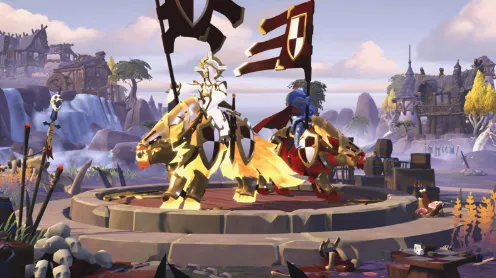
In online games, we don’t have our usual appearance, walk, or voice. All we can show others is a name, an avatar, and a tag. These elements create an image that gets noticed even before the match begins. It can be playful, intimidating, provocative, or completely anonymous — and all of that is part of the strategy. I think it’s in these small details that a player’s personal style — and sometimes even their reputation — begins to form.
Nickname as a Player’s Signature
A name in-game isn’t just a label. It’s the first thing teammates and opponents see — and it can inspire respect, provoke a smile, trigger suspicion, or even irritate. It becomes something like a digital face. I believe choosing a nickname is almost always an intuitive yet deeply personal process. Some players put references to their favorite character, book, or movie into their name. Others encrypt a piece of their biography, while some go for something absurd or deliberately trollish — to stay unnoticed or, on the contrary, to draw attention right away. And then there are those who change their nicknames frequently — based on their mood, a new patch, or even trending memes in the community.
In competitive scenes like Dota 2, this takes on even more meaning. A nickname can become a symbol — recognizable, quoted, and widely discussed. You start to notice the same names popping up from one tournament to the next, and each time they carry new associations. In Dota news, it’s often these names that appear — not just players, but full-fledged stories behind them. Stories of defeats and victories, team switches, internal conflicts, and even memes born out of streams or in-game chat. And I think all of this creates an extra layer of interaction with the game: you’re not just playing — you’re projecting a persona. Through the name, through its style, and even through how it’s formatted — with tags, symbols, or capital letters — you communicate part of your character or intent. It can be a strategic move, a way to stand out — or the exact opposite, a way to blend into the crowd.
Tags and Clans: Belonging and Messagin
Tags, clans, and name prefixes serve a much deeper purpose than just decorating a nickname. They’re like emblems — a digital flag you play under. It’s a way to tell others: “I’m not alone.” When you see a tag from a well-known team or a recognizable community in a lobby, you instantly form expectations — about skill level, behavior, or even how intense the chat might get. It might be a serious esports organization, a casual group of friends, or a meme clan with an ironic name that became a symbol in itself.
I see a tag as a short message about your affiliation. It’s a way of stating something about yourself without using words — just through symbols. In games like League of Legends, this is especially noticeable, particularly in ranked matches and competitive environments. Even before the game starts, you’re already “reading” your teammates by their tags: someone from the streaming community, someone from a notorious pick-up squad, someone from a structured team. This can either give you confidence or make you wary.
I often notice how lol news covers stories about players switching between these groups — who returned to an old roster, who launched a new project. And all of this adds extra context. Even if you don’t know a player personally, you start to read their behavior, expectations, and style through their tag — like reading a uniform, only in digital form.
Avatars as a Visual Statement

An avatar is the first visual anchor other players notice. It flashes by in the lobby, in chat, on the loading screen, and sometimes on the final scoreboard. Even if it’s only for a few seconds, it’s enough to create a first impression — and that impression can vary widely. I’ve seen players choose classic images like team logos, artwork of iconic characters, or game-related symbols. Others go for provocative or absurd visuals: comedic faces, glitch art, bizarre collages. All of it is a way to stand out, to be remembered, to leave a mark.
To me, there’s something mask-like about it. You’re not just picking a picture — you’re saying, “This is how I want to be seen.” Some hide behind irony, others go for dramatic flair, and some project seriousness, discipline, and commitment. What I find especially interesting are those who change their avatars regularly — based on mood, esports events, new patches, or community trends. It becomes a form of silent dialogue. If you follow the game and its culture, a single avatar can be a recognizable signal, an inside joke, or even a manifesto.
It becomes part of the language inside the community — a visual phrase that speaks without words. And even if you’re not playing with someone directly, you can often sense who they are and what they want to express just by looking at their avatar.
Invisible Identity Is Still a Choice
There’s another approach — being “faceless.” Generic nicknames, default avatars, no tags or clan affiliations. At first glance, it might seem like indifference, as if the person doesn’t care how they’re perceived online. But I believe that, in some cases, this is a deliberate and even strategic decision. Such a player avoids all visible markers, offering minimal information about themselves. No clues, no signals, no emotional hints — it’s almost like digital camouflage.
In competitive games, this approach can be especially effective. While other players wear “emblems” and broadcast their identity, this one remains invisible, abstract. There’s no way to scan them in advance — no tag, no avatar, no nickname style to analyze. You don’t know what to expect. And sometimes that’s intimidating: the absence of a persona can feel like the sign of a focused, cold-blooded opponent.
Beyond strategy, this choice can also be personal — a kind of digital silence. Sometimes a person simply doesn’t want to be part of the loud, expressive online space. They don’t want to engage in the culture of constant self-display. And that, too, is a form of freedom. This invisible identity isn’t a lack of individuality — it’s a way of hiding it. Paradoxically, in a world where everyone is trying to be seen, that very invisibility might become the most noticeable statement of all.
Conclusion
Online identity is more than it seems. Behind nicknames, tags, and avatars are small stories, personal choices, and subtle signals. I believe that in the gaming world — where we don’t have a physical appearance — it’s through these elements that we express ourselves and shape a digital version of who we are.