
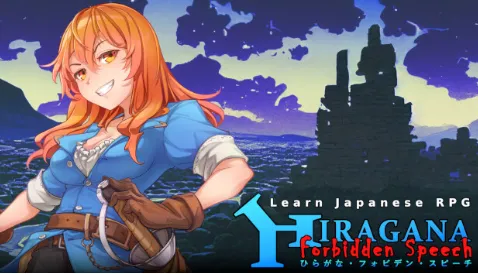
Japanese RPGs, or role-playing games, have fans all over the world. These games began in Japan but now reach players in many countries. A big reason behind their global reach is Japanese language translation services. These services help turn the original Japanese text into other languages. This lets players in the U.S., Europe, and beyond enjoy the same deep stories and strong emotions.
What Makes Japanese RPGs Special?
These games are different from many Western games. Japanese RPGs focus more on character growth. Players often follow a group of heroes as they face big problems. These heroes become stronger through the story.
The stories are long and rich. Many take over 50 hours to finish. Some include small side tales that add to the world. These small stories often feel personal and warm. Players care deeply about the characters because they spend so much time with them.
Also, many Japanese RPGs use turn-based battles. This means players take turns to choose actions. It feels more like a game of chess. Each move matters. It gives players time to think and plan.
Deep Emotions That Cross Borders
One of the strongest parts of these games is emotion. Players laugh, cry, and feel tense during the story. The characters are often facing deep pain, strong love, or hard choices. These feelings are written with care.
When these stories move to other countries, they must still feel the same. Players should feel the same fear, joy, and hope as those in Japan. This is where careful translation makes a big difference.
For example, a character who hides pain with jokes must sound the same in English or French. If the joke is lost, the emotion is also lost. So, every line must be written with care.
Famous Titles That Changed Global Gaming
Some Japanese RPGs have changed gaming forever. These games helped show that strong stories could live inside video games.
Final Fantasy VII was one of the first big hits. It came out in the late 1990s. Players outside Japan loved its deep story, music, and style. It showed that games could feel like books or movies.
Another example is Persona 5. It follows students with secret powers who fight for justice. Its style, music, and bright colors made it stand out. It found fans in many countries quickly.
These games are not just fun. They help players understand other cultures too. They include Japanese words, places, and values. This helps players learn about life in Japan without even trying.
The Role of Translation in Game Growth
Without the right words, these games would not make sense to most players outside Japan. The feelings, jokes, and names would lose their power. But with smart work, they become easy to enjoy.
That is why a language translation company must understand more than just the language. They must feel the story. They need to know why a character is shy, brave, or sad. This way, they can choose the best words to match those feelings.
Even game menus and skill names matter. A poorly named item can confuse players. A well-translated name can make the game more fun and easy to play.
Music and Voice Acting Also Matter
Japanese RPGs often have strong voice acting. Actors speak with tone and rhythm that bring the character to life. In English and other languages, these voices must still feel real.
Sometimes, voices are re-recorded in other languages. Other times, subtitles are added while keeping the Japanese voice. Both need good translation. The voice must match the mood. The words must match the face and the moment.
Music also plays a big part. Songs often include Japanese words. These must sound good even after translation. If the song has a message, that message should not be lost.
How Fans Help Spread the Love
Many fans share their love for Japanese RPGs online. They make art, write blogs, and post game tips. Some even make their own translations of older games that never came out in their country.
These fan efforts have helped the games grow. They show companies that people want more Japanese RPGs in more languages. Over time, game makers saw the value in better and faster translations.
Now, some games launch in Japan and other countries at the same time. This is a big change from the past, when players waited years for a game to be translated.
The Rise of Indie Japanese RPGs
Big companies are not the only ones making great games. Small studios in Japan now make RPGs too. These indie games often have simple graphics but strong stories.
Some are set in quiet towns. Others take place in strange dream worlds. These games may not sell millions of copies, but they find loyal fans. Many are shared online, and some are later picked up by publishers for wider release.
These games need just as much care in translation. Since they often talk about feelings or special ideas, they must be clear and warm in every language.
How Technology Has Helped
Today, new tools help speed up the translation process. Text can be checked faster. Voices can be timed better. Games can now have more than ten language options from day one.
Still, machines can’t do it all. A machine may know the word for “wind,” but it may miss the beauty in a line like “the wind carried her voice.” That is why people still lead the final work.
Smart tools help, but they do not replace human care. The heart of the story must still be kept alive by someone who understands it.
Looking Toward the Future
As more people enjoy Japanese RPGs, the demand for better versions will rise. New languages will be added. Stories will be shaped to fit new players without losing their heart.
Game creators now think about global players from the start. This helps them write in ways that are easier to share. At the same time, they keep the charm and style that make their games feel like Japan.
With each new game, more people will learn about Japanese ideas, dreams, and ways of life. And all of this will happen while playing a game.
Final Words!
Japanese RPGs have touched hearts in many places. They blend rich stories, strong characters, and deep emotions. These games bring people closer to Japan in ways no book or show can. As they grow, careful translation will remain the key. It turns great games into global treasures that everyone can enjoy, one word at a time.