

There’s a certain thrill in playing a hand that could change your balance in seconds. Real money poker isn’t just about cards; it’s about judgment, timing, and how far a player is willing to push luck before it breaks. Around the world, the game sits on the edge of entertainment and intellect — and nowhere is that balance more delicate than in India, where poker has moved from cafés and clubs to smartphone screens and, recently, to courtrooms.
For many, poker became a way to test nerve and skill while chasing real rewards. Digital platforms brought this game of concentration to millions, offering instant access and low entry barriers. Among the many destinations for online gaming fans, tez888 games drew attention for its variety and ease of play — one of the few places where classic card games felt both familiar and fair.
But poker in India isn’t just a pastime anymore. It’s part of a legal debate shaping the future of online entertainment.
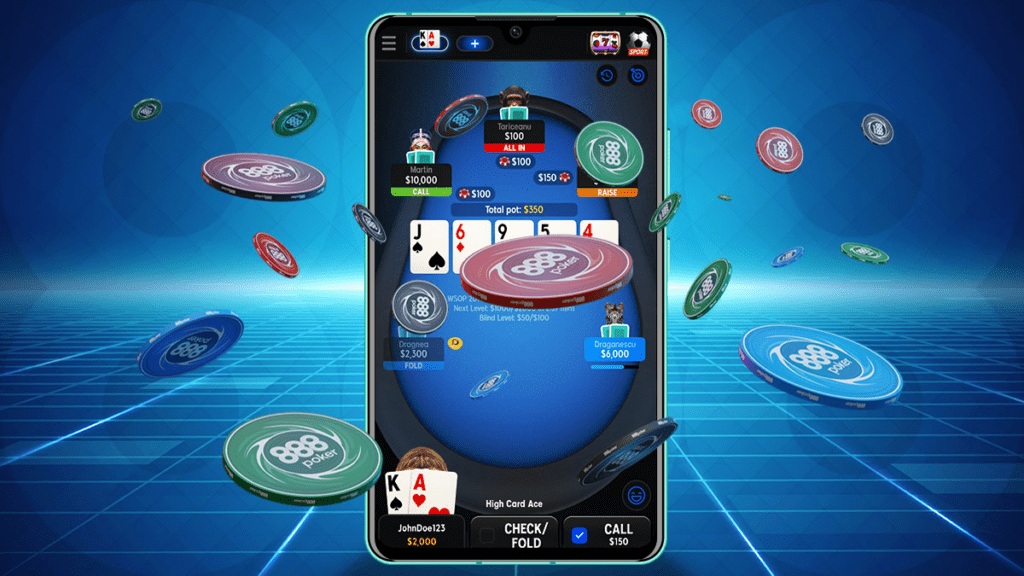
The Allure of Playing for Real Stakes
People don’t fall in love with poker because of luck — they fall for the tension between what they know and what they risk. The mix of psychology, quick math, and emotional control gives the game an almost cinematic appeal. It’s not unusual for regular players to describe poker nights as mental marathons, where every decision matters.
The arrival of online poker made that experience accessible to anyone with a phone. No smoky tables, no travel, no waiting for nine players to gather. Just tap, deposit, and play. Platforms began offering freerolls, micro-stake tournaments, and loyalty programs that rewarded consistency over spending.
By the early 2020s, poker in India had become a significant branch of the fast-growing real-money gaming industry, which reached roughly 100 billion rupees by 2023 (about USD 1.2 billion). Poker accounted for a small but vibrant share, with a steady rise in both casual and professional play.
Yet, as the market expanded, so did concern from lawmakers about addiction, fraud, and financial transparency. The debate over whether poker was a game of skill or gambling resurfaced stronger than ever.

How Online Poker Works — Beyond the Screen
If you’ve never played online, it’s easy to imagine poker as pure chance. In truth, it’s a game of data, instinct, and discipline. Players switch between tables, track statistics, and make thousands of micro-decisions in minutes.
Main Online Formats
- Cash games — Players buy in with real money, join or leave anytime, and play at fixed stakes.
- Tournaments — Everyone pays a set entry fee, and prizes grow with participation.
- Sit & Go events — Smaller, faster tournaments that begin when enough players register.
The digital ecosystem evolved quickly. Payment gateways accepted everything from UPI and cards to crypto. Rakeback programs gave loyal players partial refunds of the site’s commission. Communities formed on Telegram and Discord to discuss odds, strategies, and hand histories.
| Game Type | Typical Buy-in | Skill Focus | Popularity in India |
| Texas Hold’em | ₹100 – ₹10,000 | Reading opponents, position play | Extremely high |
| Omaha | ₹200 – ₹5,000 | Variance control, pot odds | Growing |
| Sit & Go | ₹50 – ₹2,000 | Short-term decision making | Moderate |
| Multi-Table Tournaments | ₹300 – ₹50,000 | Endurance, adaptability | Rapidly increasing |
As professional player Aditya Agarwal once told The Economic Times: “Poker isn’t about chasing luck — it’s about surviving decisions. Over time, the best decision-makers win.”
That quote captures the essence of real money poker — it rewards thinking, not superstition.
India’s Legal Landscape — A Moving Target
Poker’s legal status in India has never been black and white. The Public Gambling Act of 1867 still underpins national policy, and it doesn’t mention poker at all. Over the decades, several states and courts interpreted it differently: some treated poker as gambling, others — notably in Karnataka and West Bengal — recognized it as a game of skill.
Then came August 2025. The government enacted the Promotion and Regulation of Online Gaming Act, which banned most real-money online games, including poker, classifying them as gambling. Overnight, Indian poker platforms paused deposits and tournaments. Players compared it to the “Black Friday” moment that hit U.S. poker in 2011.
But the story didn’t end there. In November 2025, the Supreme Court began reviewing petitions to differentiate skill-based games from pure gambling. Judges hinted that poker might fall under a potential exception, and a hearing on 26 November 2025 was scheduled to decide how these games should be treated under federal law.
In short, India hasn’t outlawed poker completely — it has pressed pause while the country figures out whether skill deserves legal space.

When the Ban Landed — The Night the Tables Went Quiet
It started like any other morning. Players opened their apps, expecting to see flashing tournaments and familiar nicknames. Instead, there were login errors and blank screens. The Promotion and Regulation of Online Gaming Act had gone live. Just like that, India’s online poker rooms went dark.
For a lot of people, this wasn’t just a hobby ending — it was part of their daily life. Some played for side income, others for the community. Many of them had met friends, mentors, even business partners over the years. When the ban arrived, it felt less like losing a game and more like losing a place.
Professional players, especially those who’d built steady careers, took the biggest hit. They’d spent years grinding at digital tables, learning bankroll discipline and advanced analytics. Overnight, the skills that once paid the bills had nowhere to go. Some tried offshore websites or crypto platforms, but that came with frozen payouts, blocked accounts, and no safety net.
Poker startups — a bright spot in India’s tech scene — were also caught off guard. Dozens of young teams, who had raised money and built entire ecosystems around tournaments and learning apps, suddenly had no product to run. But poker itself didn’t vanish. It simply changed shape. Small private games began to appear again — in clubs, lounges, and even cafés. The game went back underground, but not extinct.
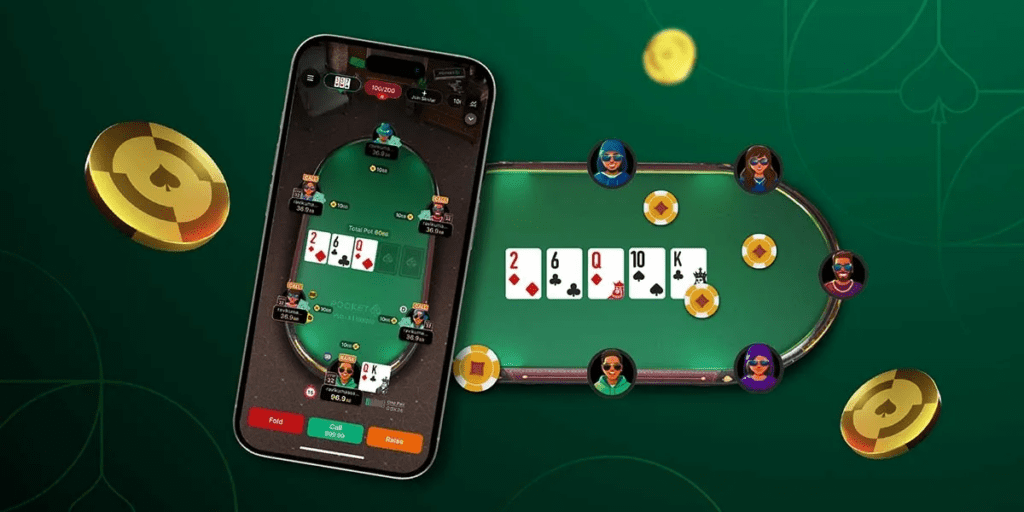
Skill or Luck — What Really Wins?
That question has divided poker tables and parliaments alike. Is poker gambling, or is it competition?
Spend enough time at the table and you’ll know: luck gives you cards, but skill decides what to do with them. A bad hand can still win if played right; a great one can lose with poor judgment. The long-term edge belongs to players who can read situations, manage risk, and think under pressure.
Research backs that up. Studies from European universities found that experienced players consistently outperform casual ones over thousands of hands. Their choices — not their luck — decide their balance.
But opponents of legalization aren’t convinced. They see poker’s quick dopamine rush and call it dangerous. For them, real money games blur into gambling. They fear addiction, loss, and easy access for young users. Their argument has weight — but so does the idea that people should be taught discipline, not stripped of freedom.
Many governments have already faced the same dilemma and chosen balance over bans. In the UK, poker is regulated under skill-based gaming laws. In the U.S., several states have restored legal online poker, proving oversight works better than prohibition. Whether India will follow that path depends largely on the Supreme Court’s 2025 hearings.

The Road Ahead — Waiting for the Cards to Turn
Even under restriction, the game refuses to fade. Players still study ranges, discuss strategies, and travel to Goa or Sikkim for weekend tournaments. The screens are quieter, but the passion hasn’t gone anywhere.
The next chapter could unfold in several ways. One outcome — a regulated return of online poker, with verified identities, strict limits, and taxation. Another — a move deeper into crypto platforms, where the blockchain replaces banks and borders. And then there’s the slow revival of live poker, now thriving in clubs and resorts.
Worldwide, real money poker is entering a new era. Virtual reality tables, AI-driven coaches, and live-streaming have made it as much entertainment as sport. India, with its young population and digital appetite, could easily become a major player again — if the legal doors reopen.
Conclusion — The Game Never Truly Ends
Poker has always been about more than money. It’s about patience, nerve, and the quiet confidence that comes from making the right call. The 2025 ban might have silenced online platforms, but it hasn’t silenced the people behind them. Across the country, players still meet, study, and dream of a day when skill is seen for what it is — not mistaken for luck.
The cards haven’t stopped moving. They’re just waiting for the shuffle that starts the next deal.
FAQ
1. Is real money poker legal right now in India?
No, most online games with cash stakes are restricted under the 2025 Act. The Supreme Court, however, is reviewing whether skill-based games such as poker may qualify for future exceptions.
2. Why do some call poker a skill game?
Because good players win consistently over time. Their advantage comes from logic, psychology, and risk control, not blind fortune. Luck fades; skill doesn’t.
3. Can Indians still play on foreign poker sites?
Some do, using offshore or crypto platforms. But it’s a legal gray zone with no protection. Payouts can be frozen and access blocked at any time.
4. Are live poker clubs allowed?
In a few places, yes. Goa and Sikkim continue to host regulated casinos, while private invitation-only games operate quietly in some cities. Always check local laws before joining.
5. How can beginners learn poker safely?
Start on free-play sites or small club games. Focus on understanding odds, position, and timing. You’ll learn faster without risking real money.
6. What’s next for poker in India?
Everything depends on the court’s verdict. If poker is recognized as a game of skill, regulation may replace prohibition, opening the door for a fair, transparent market.7. How big was the market before the ban?
By 2023, India’s online poker segment reached nearly 100 billion rupees, forming part of the broader real-money gaming industry — one of the fastest-growing digital sectors in the country.