
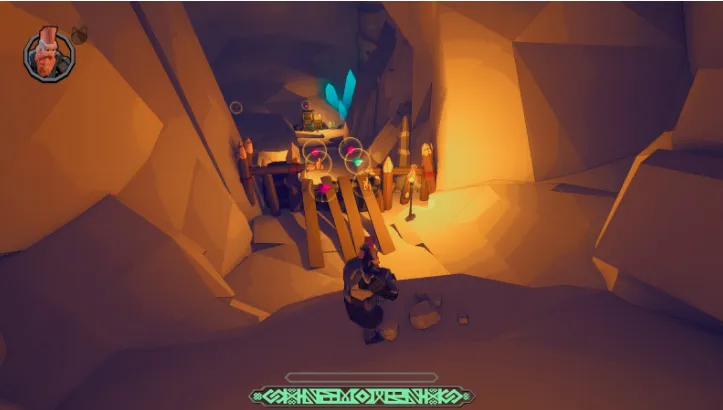
In recent years, competitive gaming has rapidly evolved from a niche hobby into a global phenomenon with a profound impact on youth culture and education. Unlike passive entertainment forms, competitive gaming immerses players in dynamic, interactive environments that demand active mental engagement. Young players involved in esports and other competitive games develop a rich set of cognitive skills that extend far beyond simple reflexes or hand-eye coordination. Critical thinking—a core competency that underpins effective problem-solving, decision-making, and intellectual flexibility—is notably enhanced through these experiences. This article delves into the multifaceted ways in which competitive gaming cultivates critical thinking in young minds by presenting complex challenges that require strategic analysis, quick adaptation, and thoughtful judgment. Furthermore, as educational institutions and psychologists begin to recognize the cognitive benefits of gaming, it becomes increasingly clear that competitive gaming can serve as a complementary learning tool, fostering mental agility in a digital age characterized by rapid information flow and constant change.
Developing Problem-Solving Abilities Through Gameplay
Competitive gaming immerses players in intricately designed virtual worlds filled with problems that must be solved swiftly and efficiently. Whether navigating the tactical nuances of Valorant, optimizing resource management in strategy games, or adapting to unpredictable opponents’ maneuvers, players consistently engage in deep analytical thinking. This process involves identifying patterns, hypothesizing potential outcomes, and implementing tested solutions—all while managing limited resources and time constraints. The cognitive workout is akin to solving complex puzzles under pressure, which strengthens players’ abilities to dissect problems into manageable components and synthesize new strategies from prior experience. Moreover, these games often involve iterative learning, where players refine their tactics after each failure, cultivating resilience and a growth mindset essential for real-life problem-solving. The feedback loops embedded in gameplay encourage reflection and continuous improvement, teaching youth how to critically assess their decisions and adapt accordingly—skills directly transferable to academic challenges, scientific inquiry, and everyday life.
Enhancing Strategic Planning and Adaptability
A hallmark of competitive gaming is the necessity for forward-thinking strategy combined with nimble adaptability. Players are not only reacting to immediate threats but also anticipating future scenarios, balancing short-term actions with long-term goals. This dual-layered thinking mirrors complex real-world decision-making processes found in fields like business, military strategy, and emergency response. Through consistent exposure to rapidly evolving gameplay, players develop sophisticated mental models that enable them to predict opponents’ moves, allocate resources optimally, and pivot strategies as circumstances shift. This constant balancing act sharpens cognitive flexibility and reinforces the importance of contingency planning. For example, keeping track of current valorant scores allows players to analyze meta shifts and performance trends, informing their own tactical adaptations. Such engagement fosters a mindset adept at navigating uncertainty and change, encouraging young minds to embrace complexity rather than shy away from it. This level of strategic thinking nurtures executive functions such as planning, prioritization, and inhibitory control, which are critical in academic success and everyday problem-solving.
Encouraging Decision-Making Under Pressure
Competitive gaming often thrusts players into high-stakes environments where split-second decisions can determine victory or defeat. This immersive pressure cooker demands rapid information processing, emotional regulation, and confident judgment. By repeatedly confronting such stressors, players train their brains to function optimally under duress, a skill that transcends gaming into high-pressure real-life situations—be it academic testing, competitive sports, or professional challenges. The cognitive benefits here are twofold: first, honing the ability to filter relevant from irrelevant stimuli under time constraints, and second, developing emotional resilience that buffers against panic and impulsivity. Such mental conditioning helps young gamers refine prioritization skills, enabling them to weigh competing factors and select the most advantageous course of action swiftly. Furthermore, this experience builds self-efficacy and trust in one’s own decision-making capabilities, essential attributes for leadership and personal growth. The cumulative effect is an enhanced capacity for clear-headed thinking even amidst chaos—a critical component of mature critical thinking.
Collaboration and Communication as Cognitive Tools

While many stereotype gaming as a solitary activity, competitive esports thrives on teamwork and communication, making it an excellent arena for developing social cognition and collaborative problem-solving skills. Effective team play requires players to articulate observations, share strategic insights, negotiate roles, and resolve conflicts in real time. This collective cognitive effort strengthens the ability to evaluate shared information critically and synthesize diverse perspectives into coherent plans. The process demands not only intellectual flexibility but also emotional intelligence—empathy, active listening, and adaptability to teammates’ needs. These interactions mirror professional and academic teamwork scenarios, providing young players with valuable rehearsal in interpersonal skills vital for future careers and social success. Moreover, leadership often emerges organically within teams, with certain players guiding strategic direction and motivating peers, fostering accountability and organizational skills. This social dimension of competitive gaming enriches critical thinking by embedding it in real-world communication contexts, illustrating how collaborative cognition can solve complex problems more effectively than isolated effort.
Conclusion
Competitive gaming represents far more than recreational activity; it is a sophisticated, interactive medium that cultivates critical thinking and cognitive resilience in young minds. By presenting complex, fast-evolving challenges, competitive games demand and develop problem-solving prowess, strategic planning, adaptability, decisive judgment, and social intelligence. These cognitive and interpersonal skills are essential not only for success in gaming but also for thriving in academic, professional, and personal spheres. As the esports industry continues to grow exponentially, recognizing and harnessing its educational potential becomes paramount. Rather than viewing gaming as a distraction, educators and parents should consider it a dynamic learning environment that complements traditional education. Encouraging balanced, purposeful engagement in competitive gaming can help prepare youth for the complexities of the 21st century, equipping them with a robust set of critical thinking tools necessary for lifelong learning and success.