
A healthy tree is not only a beautiful addition to any landscape but also a valuable part of the ecosystem, providing shade, oxygen, and habitat for wildlife. However, like any living organism, trees can become sick, and catching the signs early can make the difference between saving the tree and losing it entirely. Recognizing these symptoms often requires a careful eye and a basic understanding of what’s normal for the species in your yard. When uncertainty arises, seeking professional tree service can ensure an accurate diagnosis and appropriate care.
One of the first indicators that a tree might be unwell is a noticeable change in its foliage. Leaves are a tree’s main energy producers, so any abnormality in their appearance should be taken seriously. Discoloration, unusual spotting, curling, or premature leaf drop often signals stress. While some leaf changes can be seasonal or weather-related, consistent or widespread issues could mean the tree is battling a disease, pest infestation, or nutrient deficiency.
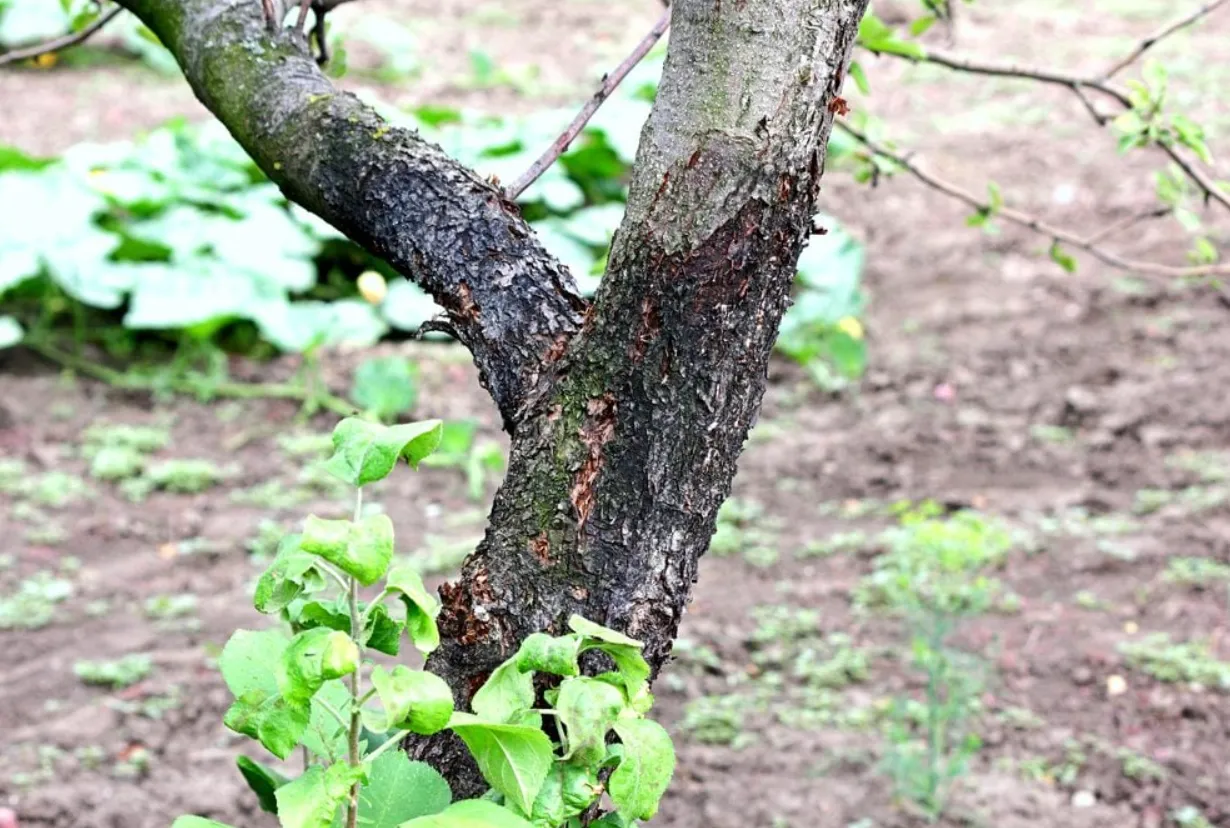
The bark, much like skin for humans, serves as a protective barrier for trees. Healthy bark should be intact and consistent in texture. If you observe cracks, peeling, or missing patches, it might indicate internal decay or fungal infection. Sometimes, you might also notice cankers—sunken or swollen patches—on branches or the trunk. These cankers often point to localized infections that can spread if not addressed promptly.
Branch health is another clue to watch for. Dead or dying branches, especially in the upper canopy, can be a red flag. A branch that no longer produces leaves or has brittle, breakable wood might have been compromised by pests, disease, or poor water circulation. If several branches begin to show similar symptoms, it’s often a sign that the issue is systemic, affecting the tree as a whole rather than isolated sections.
Roots are the unseen foundation of a tree’s well-being, but their health can sometimes be inferred from what’s happening above ground. If you notice mushrooms or fungal growth near the base, it may signal root rot—a condition that weakens the tree’s stability and vitality. Additionally, soil heaving or exposed roots could mean the tree is struggling to anchor itself due to decay or poor root structure. Because root health is so critical, tree service experts often use specialized methods to assess underground conditions without causing further harm.
The presence of pests can also indicate that a tree is sick or under stress. Insects like borers, caterpillars, or beetles may exploit weakened trees, accelerating their decline. Holes in the trunk, sawdust-like frass, or sticky sap could all be signs of infestation. While some insects are harmless or even beneficial, a sudden surge in activity often suggests an underlying health problem.
Environmental stressors—such as drought, extreme temperature changes, pollution, or construction damage—can make a tree more susceptible to disease. A stressed tree may display thinner canopies, fewer blooms, or slower growth than usual. By monitoring its growth patterns over time, you can often catch early signs of distress before the decline becomes irreversible.
Ultimately, trees can’t tell us when they’re sick, but they do send signals through changes in appearance and structure. Paying attention to these signs allows homeowners to take action before the damage becomes too severe. Timely intervention through proper care, maintenance, and when needed, professional tree service can often restore health, prevent hazards, and extend the life of these vital landscape assets. With regular observation and a proactive approach, it’s possible to keep trees thriving for decades, ensuring they continue to provide beauty, shade, and environmental benefits for generations to come.