
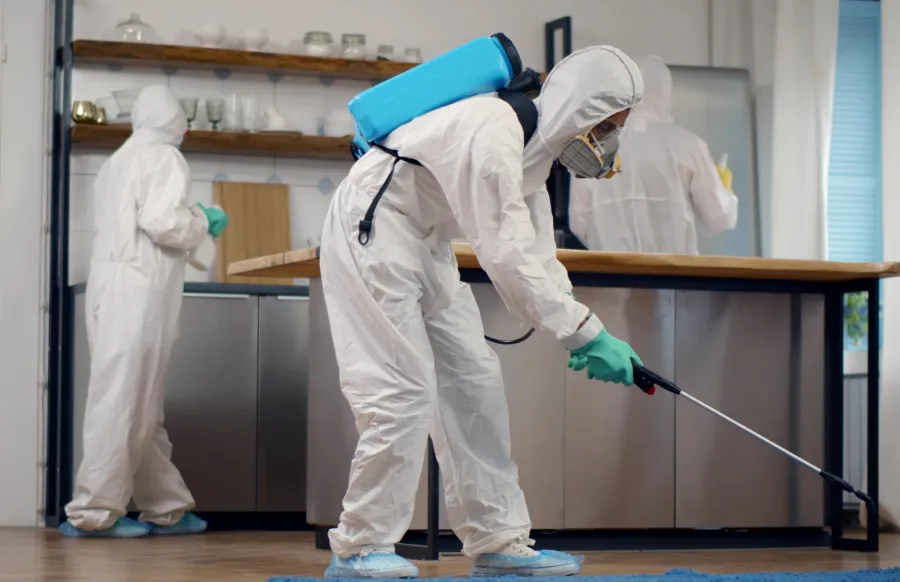
Home renovations promise fresh beginnings—new countertops, improved layouts, better lighting. But according to property management company, H&M, they can also deliver something you didn’t order: pests.
While tearing down walls and opening up attics, many homeowners accidentally disrupt the quiet ecosystems that pests call home. It’s a less talked-about consequence of remodeling, but one that can have long-term consequences if not addressed early.
This isn’t about poor hygiene or negligence. Even the most well-executed renovation can invite unwanted guests. Here’s how it happens—and how to stop it before it begins.
Scene One: The Wall Comes Down
You’ve decided to knock down a wall between your kitchen and dining room to open up the space. The contractor rips into the drywall—and out comes a scurry of movement you didn’t expect.
That cavity in the wall? It was home to rodents. Or carpenter ants. Or cockroaches that have been nesting undisturbed for years. The act of renovation didn’t cause the infestation, but it made it visible.
Rodents often travel between floors using hidden wall voids and plumbing chases. When walls are breached, these access points are temporarily exposed, and pests may disperse into new areas of your home.
Scene Two: The Basement Makeover
You’re converting your basement into a guest suite. It’s been dry, mostly unused, and now you’re installing flooring, plumbing, and drywall.
But basements are often the dampest part of the home—and moisture is a magnet for pests. Termites, silverfish, spiders, and even bed bugs can exploit new insulation or leftover construction debris. That fresh drywall offers warmth and concealment; new plumbing can create condensation if not sealed correctly.
Even one misaligned seal or small crack in the foundation can become an entry point, especially during seasonal shifts.
Scene Three: Open Windows, Open Invitations
Renovations often involve periods when doors and windows remain open for ventilation. These gaps, though temporary, offer easy access for flying insects or curious rodents.
Add to that the noise and vibration of construction, which can cause pests like cockroaches or mice to relocate from one area of the home to another, often pushing them toward bedrooms, pantries, or storage areas.
Pest control is rarely on a contractor’s checklist. But that doesn’t mean it shouldn’t be on yours.
Why Pest Activity Surges During Renovations
Here are some of the primary triggers:
- Structural Disruption: Tearing into walls, ceilings, or foundations exposes existing nests or burrows.
- Access Points: Openings created for electrical, plumbing, or HVAC work often remain unsealed for days.
- Moisture Shifts: New plumbing and insulation alter humidity, which can attract moisture-seeking pests.
- Building Materials: Cardboard boxes, wood stacks, and leftover debris provide shelter and food sources.
- Reduced Routine: During renovations, cleaning routines often slip, increasing food availability for pests.
All of these factors create perfect conditions for pest exploration—and sometimes, infestation.
How to Renovate Smarter: A Pest-Aware Plan
If you’re planning a remodel, integrating pest prevention into your renovation strategy can make all the difference. Here’s how:
1. Pre-Project Inspection
Have your home checked by a licensed exterminator before starting construction. Professionals can identify existing pest issues you might uncover later.
Agile Pest Control offers pre-renovation evaluations that help homeowners avoid surprises halfway through the job.
2. Seal As You Go
Ensure contractors seal all new openings immediately after wiring or plumbing installations. Foam insulation, mesh screens, and caulk are effective quick fixes.
3. Control Moisture
Run dehumidifiers in areas being remodeled, especially basements and bathrooms. Moisture invites termites and other insects faster than you think.
4. Clean Daily
Request daily cleanup from your contractor team—especially food wrappers, sawdust, and cardboard materials that could attract pests.
5. Secure Waste Storage
Construction debris should be kept in tightly sealed bins or hauled away regularly. Piles of wood or drywall scraps left outdoors can attract ants, rodents, or termites.
Post-Renovation: Don’t Assume You’re Done
Just because the walls are painted and the furniture’s in place doesn’t mean the pests have been evicted.
Within the first few weeks after a renovation, monitor your space for signs:
- Small droppings near baseboards or cabinets
- Hollow-sounding wood (a possible termite indicator)
- New bite-like marks or unexplained skin irritation
- Discarded insect shells or wings near windows
Don’t wait until signs are obvious. Early detection is far easier to manage than a full-scale infestation.
If you’re unsure what you’re seeing, it’s better to schedule an inspection than ignore the problem. Post-renovation pest control is a rising trend—and for good reason.
Real Estate Watch: Renovations in New Homes
Even newly purchased homes undergoing renovation aren’t immune. Some pests enter during the moving process; others are long-time residents hiding in walls. In either case, construction provides the disruption they need to resurface.
This is especially common in urban and humid environments, where pest populations are already high and construction density means increased exposure.
In cities like Seattle, homeowners are advised to consider pest control part of any major project—not just an afterthought.
Final Thought: Build Smart, Live Pest-Free
Renovation is about improving your space—but that improvement shouldn’t stop at aesthetics. Structural integrity and comfort include what you don’t see: pests hiding behind new drywall or under freshly laid tile.
Pest control and home improvement aren’t mutually exclusive. In fact, they work best together. A proactive mindset saves money, reduces stress, and ensures that your new space is as clean behind the walls as it is on the surface.
Before the hammers start swinging, ask the right questions, prep your space with pest protection in mind, and partner with professionals who understand both sides of the job.
With foresight and a little help from pest-aware services like Agile Pest Control, your home transformation can stay beautiful—and bug-free.