
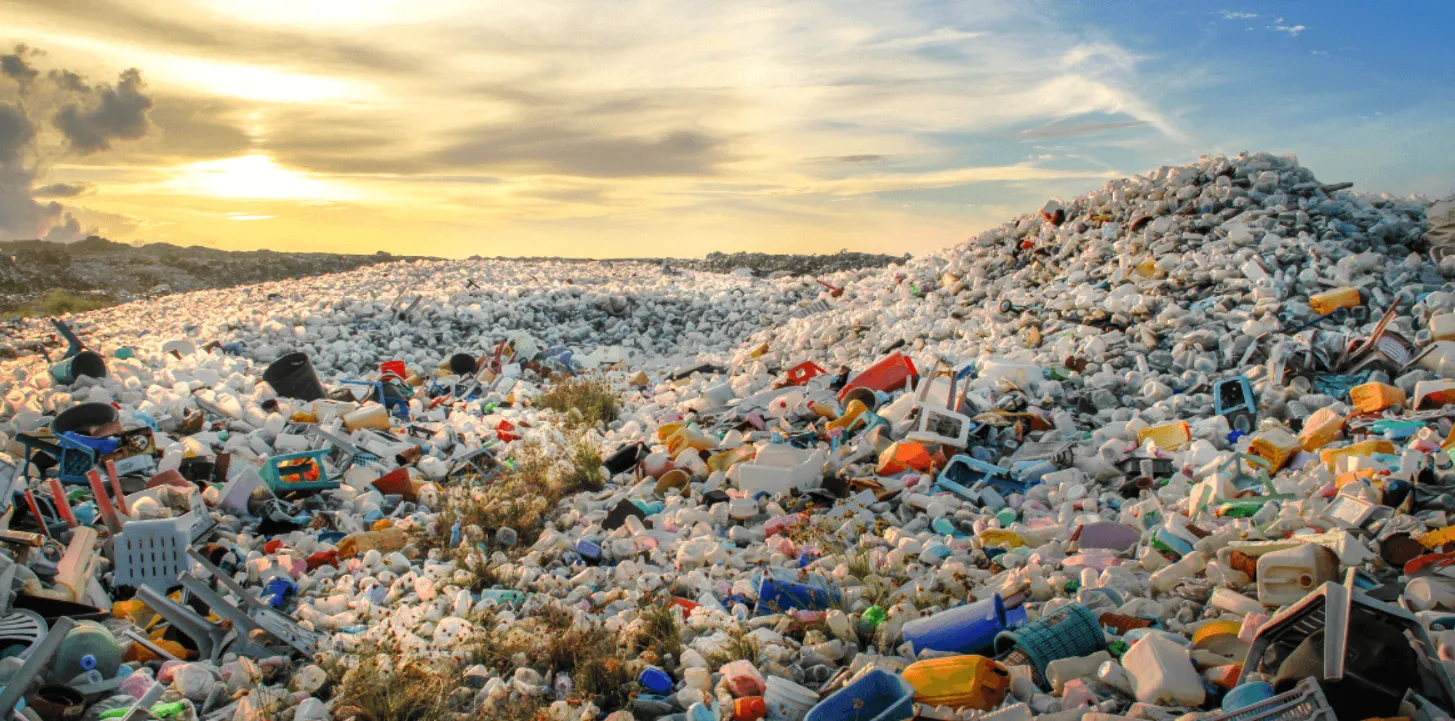
Modern waste hauling isn’t just about picking up trash—it’s about what happens after. With landfills nearing capacity and environmental pressures mounting, responsible haulers are rethinking how waste is handled from the moment it’s collected. Their role is no longer just operational—it’s environmental and ethical. This shift reflects a broader change in how waste is viewed—not as refuse, but as a resource.
A growing number of hauling services are making deliberate choices to reduce landfill use. Instead of dumping everything in bulk, they sort, repurpose, and collaborate with recovery partners. For example, you wonder about services like who is Junkle? —a company that uses technology to connect users with smarter junk removal options that focus on sustainability. Such innovations show how the hauling industry is evolving to prioritize landfill diversion. Let’s explore the key ways responsible haulers make this happen.
Sorting at the Source
The first step in effective diversion is sorting waste where it starts. Materials like glass, cardboard, textiles, and electronics each have different destinations, and mixing them reduces the chance of recovery. Responsible haulers often encourage customers to pre-sort items or provide separate bins to keep materials clean and organized. Simple changes at the collection point can make the entire downstream process more effective.
When sorting begins early, fewer resources are wasted. Haulers are also able to work faster and ensure that materials don’t get contaminated en route. This basic step significantly increases the percentage of material that can be recycled, reused, or redirected from the landfill. It also reduces processing costs and environmental risks at recycling centers.
Using Technology to Reduce Waste
Digital tools are reshaping how hauling operations function. Apps can schedule pickups, track material types, and log data on recovery outcomes. GPS and route optimization reduce fuel use and allow for faster pickups. Automation tools also help reduce human error in sorting and scheduling.
Technology also supports transparency. Some platforms allow clients to see where their waste went, offering breakdowns of what was recycled, donated, or sent to energy recovery. This builds trust and encourages participation from all sides of the process. Data-driven insights can also reveal new diversion opportunities.
Building Strong Recovery Partnerships
Once collected, waste doesn’t disappear—it needs a destination. Haulers committed to landfill diversion form working relationships with recyclers, local nonprofits, and repurposing centers. These partnerships help redirect items to where they can be reused or remanufactured. Collaboration with community organizations also strengthens local reuse networks.
For instance, items like lightly used furniture, working electronics, and construction materials are frequently suitable for donation or resale. Establishing drop-off routines with organizations that accept these materials reduces waste while benefiting the community. These collaborations are essential to creating a closed-loop system where fewer materials reach the landfill.
Responsible Disposal of Difficult Materials
Some items don’t fall into standard recycling categories. Haulers dealing with materials like hazardous waste, batteries, appliances, and old paint must follow strict disposal rules. Rather than discarding these items irresponsibly, responsible haulers work with licensed facilities that can handle them safely. This helps prevent harmful substances from leaching into the environment.
This attention to detail not only prevents environmental damage but also ensures legal compliance. It takes extra effort to find these specialty disposal channels, but it’s part of what separates responsible haulers from general waste collectors. Clients often prefer working with services that can handle complex materials properly.
When Composting Comes Into Play
Organic waste is a large part of what ends up in landfills, but it doesn’t need to be. Yard debris, food scraps, and other biodegradable materials can be turned into compost when separated and processed properly. Many haulers now offer green waste collection as a separate service. This creates a productive end-use rather than contributing to methane emissions.
Composting isn’t just about volume reduction. It turns waste into a useful product—rich soil that supports local gardens, farms, and landscaping projects. Diverting organic material also reduces methane emissions from landfills, which is a major contributor to climate issues. Responsible haulers often build partnerships with local farms or soil facilities to manage the output.
Waste-to-Energy: A Last Resort
In cases where materials can’t be reused, recycled, or composted, energy recovery becomes an option. This involves converting non-recyclable waste into usable energy through controlled processes. While not perfect, it prevents some materials from being landfilled and produces a secondary benefit—electricity or heat. This approach reduces total landfill volume, even if it doesn’t fully eliminate waste.
Still, responsible haulers treat this as a last resort. They understand that energy recovery is better than landfill use but less effective than reuse. Its place in the hierarchy is real but limited. Transparent communication with clients ensures they know when and why this method is used. A clear diversion strategy always puts reduction and reuse above incineration.
Reducing landfill use isn’t a single decision—it’s the result of many small, intentional choices. From how waste is sorted and collected to how it is repurposed or processed, responsible haulers act as stewards of the materials they carry. The question who is Junkle? is a good example that new technology and thoughtful processes are helping the hauling industry evolve toward sustainability. This shows that change is possible, even in an industry often overlooked.