
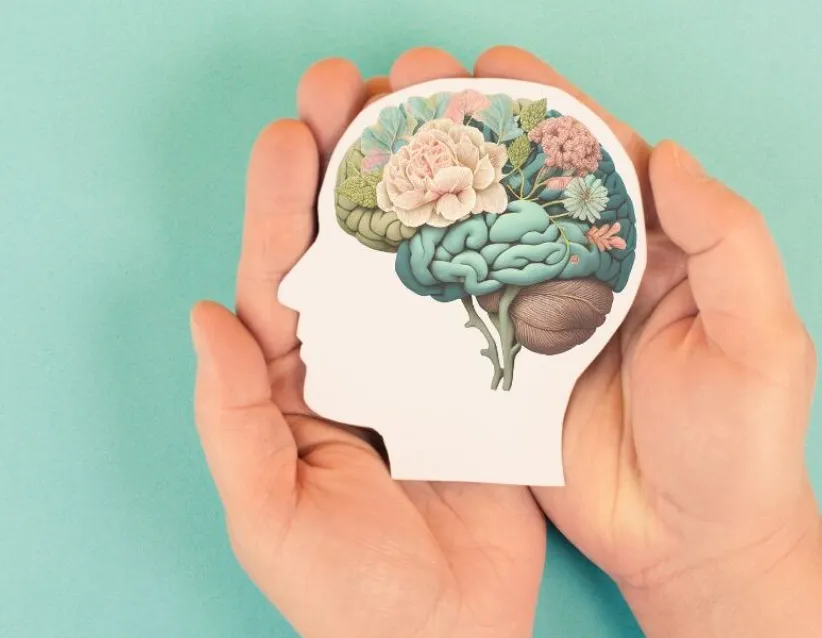
In the evolving world of behavioral health, the need for Customized Mental Health Plans has never been more important. Mental health is deeply personal, and no two individuals walk the same journey toward wellness. That’s why treatment should never be cookie-cutter or generic—it should be tailored, compassionate, and highly individualized.
Whether you’re struggling with anxiety, depression, trauma, or a dual diagnosis, a customized plan can make the difference between simply managing symptoms and achieving meaningful, long-term recovery.
What Are Customized Mental Health Plans?
A customized mental health plan is a strategic, tailored approach to therapy and recovery. It goes beyond basic diagnosis-and-treatment templates to explore the whole person—their history, lifestyle, biology, personality, environment, and unique goals.
Unlike traditional therapy models, where every patient receives a nearly identical protocol, customized plans are personalized roadmaps that integrate:
- Clinical assessments and psychological testing
- Multiple therapy modalities (CBT, DBT, EMDR, etc.)
- Medication management when necessary
- Holistic supports like nutrition, exercise, and mindfulness
- Ongoing progress tracking and real-time plan adjustments
- Cultural and gender-informed care
This personalized approach ensures that treatment isn’t just effective—it’s aligned with the client’s individual needs and circumstances.
Why “One-Size-Fits-All” Treatment Fails So Many
Too often, individuals enter a mental health program with hope, only to find that generic group sessions and boilerplate therapy assignments don’t resonate with them. These systems fail to account for:
- Differences in learning styles or personality
- Cultural background and lived experience
- Co-occurring conditions like trauma or addiction
- Gender identity or family dynamics
- Past therapy or treatment failures
People are complex, and so are the causes of mental health struggles. To address that complexity, we need solutions built around the person, not just the diagnosis.
The Core Components of a Customized Plan
1. Comprehensive Clinical Assessment
It starts with a full intake process, which includes clinical interviews, psychological assessments, trauma history evaluations, and sometimes even medical or genetic screening. This deep insight allows providers to form a complete picture of what’s really going on, not just symptomatically, but systemically.
2. Multi-Modal Therapeutic Strategy
No single therapy works for everyone. Customized plans often combine evidence-based approaches such as:
- Cognitive Behavioral Therapy (CBT) for negative thought patterns
- Dialectical Behavior Therapy (DBT) for emotional regulation
- Eye Movement Desensitization and Reprocessing (EMDR) for trauma
- Motivational Interviewing for clients ambivalent about change
- Psychodynamic therapy to explore unconscious patterns
Therapists match the intervention to the individual, not the other way around.
3. Lifestyle and Wellness Support
Emotional healing is deeply linked to physical and environmental wellness. Customized mental health plans frequently integrate:
- Nutrition counseling
- Sleep hygiene and movement therapy
- Meditation and breathwork
- Journaling, expressive arts, or creative outlets
- Spiritual or faith-based exploration (if desired)
These practices support overall well-being and empower individuals to make sustainable changes beyond the therapy room.
4. Medication Management (When Needed)
For many people, medication plays a critical role in mental health stabilization. However, it must be carefully prescribed and regularly reviewed, especially when co-occurring disorders or side effects are present. A customized plan ensures precision psychiatry—prescriptions that are tracked and adjusted based on real-world outcomes.
The Advantages of Personalized Mental Health Care
Higher Engagement
When clients feel their voice is heard and their unique needs are honored, they’re far more likely to stick with therapy. Engagement improves, and so do outcomes.
Faster Progress
By focusing only on interventions that work for the individual, customized plans cut through trial-and-error, leading to quicker breakthroughs and relief.
Better Long-Term Results
Generic plans may provide temporary support, but customized care builds the self-awareness, skills, and resilience needed for lifelong wellness.
Greater Safety and Comfort
For trauma survivors or those with complex diagnoses, personalized plans offer a trauma-informed, non-triggering environment, t—fostering psychological safety that promotes healing.
Who Benefits Most from Customized Mental Health Plans?
While anyone can benefit from individualized treatment, these programs are especially effective for:
- Individuals who’ve tried therapy in the past without success
- Those with co-occurring conditions (e.g., depression and substance use)
- Clients with a trauma history or PTSD
- Adolescents and young adults
- Members of marginalized communities
- High-functioning professionals needing discrete, flexible care
- Individuals in crisis or with acute symptoms
The key is that customization ensures relevance, and relevance ensures impact.
Real-World Example: How Customized Plans Work in Practice
Consider two people: Sam and Nadia. Both are struggling with severe anxiety and depressive symptoms.
- Sam is a 35-year-old military veteran with a history of PTSD, alcohol misuse, and sleep issues.
- Nadia is a 28-year-old graduate student dealing with performance anxiety, perfectionism, and disordered eating.
Though the symptoms appear similar, their backgrounds, triggers, and solutions are completely different.
A customized mental health plan for Sam might include EMDR for trauma, sleep retraining, and addiction counseling. Nadia, on the other hand, may benefit from CBT, nutritional support, and weekly therapy focused on self-esteem and academic pressure.
This is the power of individualized treatment—it allows each person to heal in the way that’s right for them.
Customized Care Doesn’t Mean More Expensive
A common myth is that personalized treatment is only available to those who can afford luxury rehabs or concierge therapists. But the truth is, many modern outpatient and residential treatment centers offer customizable care as part of their standard services.
Centers like this one in Tennessee are leading the charge in providing affordable, flexible, and customized mental health care across all demographics. They understand that one-size-fits-all models are outdated and ineffective, and they design care plans to reflect each individual’s reality.
Technology and Data in Mental Health Personalization
The future of customization lies in real-time data and tech. New tools and apps are helping therapists and clients measure what works and what doesn’t, resulting in faster course corrections and smarter care.
Some of these innovations include:
- Telehealth with therapist matching based on needs, preferences, and therapy style
- Mood tracking apps that sync with wearable data (sleep, stress, heart rate)
- Journaling platforms powered by AI that detect emotional themes and patterns
- Measurement-based care systems that gather feedback at every session
As these technologies evolve, customized care becomes not only more accurate but also more accessible.
The Role of Family and Community in Customized Care
Mental health doesn’t happen in a vacuum. Customized mental health plans often involve:
- Family therapy to address relational dynamics
- Support groups for shared understanding and peer connection
- Case management to coordinate with school, work, or legal systems
- Aftercare planning to support long-term independence
These components help anchor the client in a network of support, preventing relapse and reinforcing growth.
How to Know If You Need a Customized Plan
Ask yourself:
- Have you tried therapy before and felt like it didn’t “click”?
- Do you have overlapping conditions (like anxiety and substance use)?
- Are you looking for holistic options beyond traditional talk therapy?
- Do you feel like your life experience isn’t being taken into account in therapy?
- Do you need a more flexible or discreet approach to care?
If you answered yes to any of these, a customized mental health plan might be the missing piece in your healing journey.
Final Thoughts: Mental Health Deserves Personalization
No two people experience life the same way. So why should they experience therapy the same way?
Customized mental health plans represent a necessary evolution in how we view healing, not as a rigid process, but as a collaborative, responsive, and deeply personal journey. With the right team, the right tools, and the right environment, anyone can break free from the cycle of pain and begin building a more grounded, authentic, and empowered life.