
Image from Unsplash
Recovering from an autoimmune condition is often a deeply personal and unpredictable journey. For many, the road to healing isn’t about pushing harder but rather about learning to move with intention, rest wisely, and restore balance. While medication, diet, and stress management play central roles, one often overlooked but powerful tool in this process is gentle movement.
Incorporating daily light activity can help reduce inflammation, regulate immune response, and rebuild strength over time. Some individuals also turn to dietary strategies that complement these routines,such as consuming clean, high-protein snacks like https://carnivoresnax.com/blogs/articles/carnivore-diet-autoimmune-disease, to support recovery while managing autoimmune flare-ups. But movement itself is often the foundation of healing that reconnects body and mind.
This article explores how low-impact physical practices can aid autoimmune recovery and how to tailor routines that work with, not against, the body’s signals.
Understanding Autoimmune Recovery
Autoimmune diseases occur when the body’s immune system mistakenly attacks its own tissues. Conditions like lupus, rheumatoid arthritis, Hashimoto’s thyroiditis, and multiple sclerosis can lead to inflammation, pain, fatigue, and a host of other symptoms that vary in severity and duration.
Recovery is rarely linear. Most people experience periods of flare-ups and remission, requiring a careful balance of rest, medication, and lifestyle support. While traditional exercise programs can be overwhelming or even harmful during certain stages, gentle movement offers a sustainable alternative that supports healing without overexertion.
The Science Behind Movement and Immune Function
Regular movement promotes healthy circulation, lymphatic drainage, and hormonal balance,all of which are essential for managing autoimmune symptoms. But the type and intensity of movement matter significantly.
According to the Centers for Disease Control and Prevention (CDC), light to moderate exercise can reduce inflammation, ease pain, and improve mental health in individuals with chronic illness. In contrast, intense workouts without adequate recovery may increase inflammation or trigger symptom flares.
Gentle movement creates space for healing without placing additional strain on already taxed systems.
Best Gentle Movement Practices for Autoimmune Recovery

Image from Unsplash
Each person’s condition and energy levels will differ, but the following activities are widely considered safe and supportive:
1. Walking
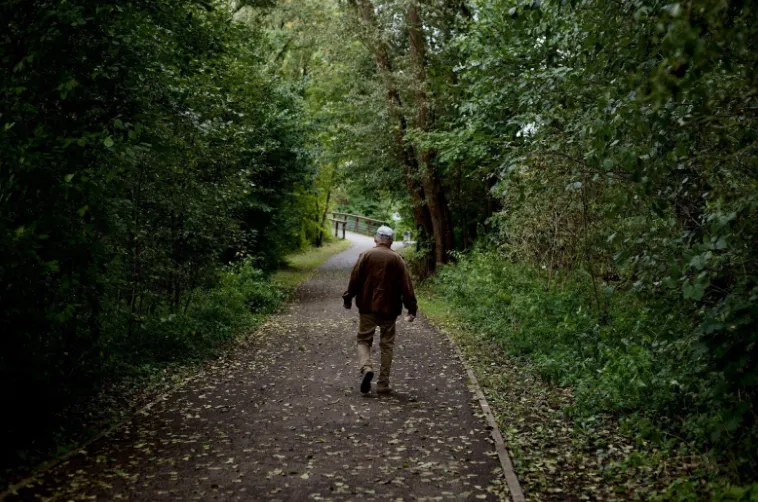
Low-impact and accessible, walking at a relaxed pace encourages circulation and joint mobility. Aim for 10 to 30 minutes a day, depending on how the body feels.
Tip: Try short walks after meals to support digestion and energy levels.
2. Stretching and Range-of-Motion Exercises
Stretching reduces stiffness, especially in conditions that impact joints. Gentle dynamic stretches can be done in the morning to ease into the day or before bed to promote relaxation.
Tip: Focus on breath-synchronized movement,inhale during expansion, exhale during release.
3. Tai Chi and Qigong
These ancient Chinese practices involve slow, flowing movements that are meditative and grounding. Studies show they help reduce fatigue, anxiety, and systemic inflammation in autoimmune patients.
Tip: Online beginner videos are widely available and require no equipment.
4. Restorative or Yin Yoga
Unlike active yoga styles, restorative yoga involves deep, supported stretches held for several minutes to release tension. Yin yoga targets connective tissue and encourages parasympathetic nervous system activation (rest and digest mode).
Tip: Use props like pillows and blankets to support joints and prevent strain.
5. Water Therapy (Aqua Walking or Gentle Swimming)
Buoyancy reduces pressure on joints and muscles, making aquatic movement ideal for individuals with arthritis or fibromyalgia. Warm water also soothes inflammation.
Tip: Seek out heated therapy pools or local community centre aqua classes for chronic illness.
Key Benefits of Gentle Movement for Autoimmune Recovery
Reduces Brain Fog and Improves Mood
Even light physical activity increases oxygen flow to the brain and boosts endorphins. This can lead to clearer thinking, less anxiety, and improved focus,especially during flare-ups when mental fatigue is common.
Builds Strength Without Overload
Consistency is more important than intensity. Gentle strength building over time can improve muscle tone, prevent deconditioning, and support better posture and energy flow.
Supports Detox and Circulation
Light movement stimulates the lymphatic system, which has no pump of its own. This helps flush toxins, reduce swelling, and strengthen immune resilience.
Enhances Sleep Quality
Movement helps regulate circadian rhythms and can improve both the duration and quality of sleep. Better rest, in turn, enhances immune function and cellular repair.
Creating a Sustainable Movement Routine
The key to long-term success is learning to listen to the body. Movement should leave the body feeling rejuvenated, not depleted. Here are practical tips for designing a sustainable practice:
- Start slow: Even 5 minutes a day makes a difference.
- Track energy levels: Use journals or symptom trackers to identify patterns.
- Avoid pushing through pain: Rest is part of recovery, not a setback.
- Stay flexible: Modify routines based on daily capacity.
- Celebrate consistency: Small, repeated efforts compound over time.
Some people find it helpful to combine gentle movement with intentional dietary choices, including whole-food snacks that won’t trigger inflammation. For example, opting for protein-rich, minimal-ingredient options like Carnivore Snax can align with autoimmune-friendly protocols that emphasize simplicity and nutrient density.
Integrating Mind-Body Connection
Gentle movement doesn’t just strengthen muscles,it reconnects individuals to their bodies after trauma, illness, or prolonged stress. Many autoimmune patients report feeling “disconnected” or frustrated with their physical limitations. Mindful practices like tai chi, yoga, or walking in nature help rebuild trust in the body’s capacity. Over time, these routines become more than physical,they’re emotional and spiritual anchors that guide the recovery journey.
Healing from autoimmune conditions is not about perfection,it’s about presence. Gentle movement offers a path forward that honours the body’s current limits while laying a foundation for future strength.
By choosing intentional practices that prioritise ease, rhythm, and nourishment, individuals can reclaim a sense of agency in their healing. Whether it’s through a morning stretch, an evening walk, or a snack break featuring Carnivore Snax, every small act becomes part of a greater whole: the restoration of health, peace, and daily resilience.