
Tool overload is one of the most neglected expensive detractor from business productivity. Groups juggle half a dozen different apps just for communication, task management, file sharing, and reporting. Each one promises to save us time and streamline our work, yet somehow, used together, they create silos, redundancy, and countless wasted hours switching between systems. And the real cost of this tool sprawl is buried missed communications, inconsistent data, strategy that is not operationalized. Unified project management tools offer the antidote by aggregating both processes and project workflows into one ecosystem where an organization can seamlessly share information. Just as well, Lark embodies these capabilities, allowing organizations to reduce complexity while amplifying focus and speed.
Lark Base consolidates fragmented workflows
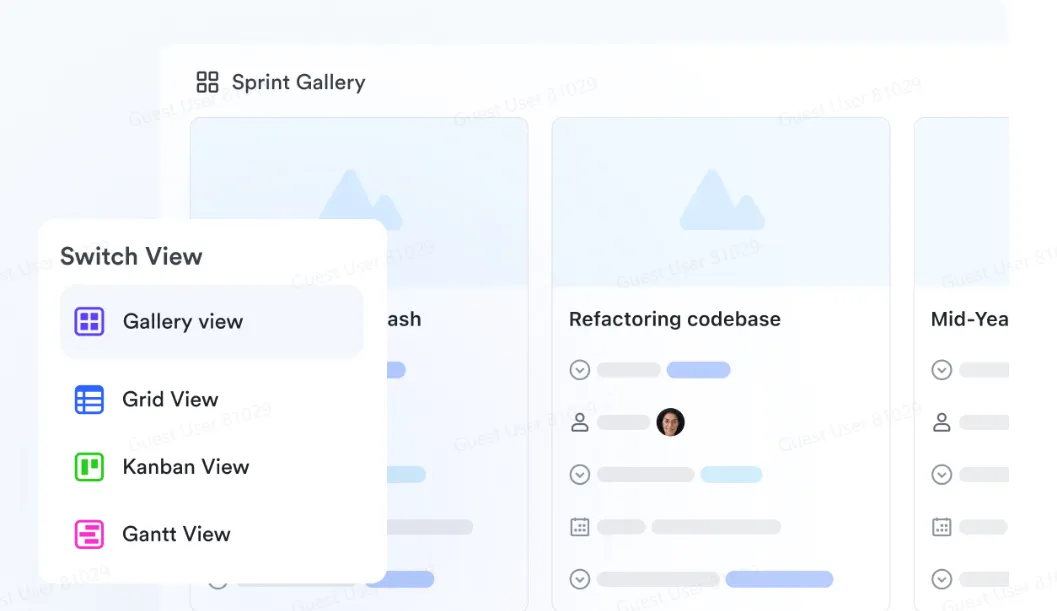
One of the greatest costs of tool overload is duplication projects captured in spreadsheets, task lists scattered in disparate apps, and reporting built by hand in siloed spaces. Lark Base eliminates duplication by creating a single system where workflows can be centralized and customized. Teams can swap between different views of a project; Kanban boards, Gantt charts, or grids without leaving the platform and adjusting with their project view without altering the data structure. Custom Fields can track anything from budgets, owners, or deadlines and link records to aid incremental changes to scatter across the related projects automatically. Having a dashboard will give you real time visibility into progress and there are no more separate reporting tools required.By turning fragmented processes into structured, connected workflows, Base helps organizations scale without losing coherence.
Lark Messenger reduces communication silos
When conversations take place across various chat apps, email chains, and task systems, the precision of the exchange goes out the window. Lark Messenger solves this clarity problem by consolidating communication in a space that is organized, and interactive. Threaded conversations keep related updates together and ensure decisions can easily be traced. Mentions and targeted notifications bring the right people into conversations at the right time, while pinned messages ensure important updates can’t get lost. Most importantly, Messenger links directly to the rest of the platform: a message can be turned into a task or shared document with no delay. The ability to transition from discuss to taking action in one location avoids the friction of switching tools and ensures communication results in outcomes.
Lark Calendar connects time to priorities
In organizations with tool overload, scheduling is often in one system, while project timelines exist in another. While calendaring works to record time, it creates misalignment and missed deadlines. Lark Calendar closes the gap by integrating time into the workflow ecosystem. Teams can share calendars that show milestones across projects, apply department schedules as overlays to create better risk analysis for overlapping time, and link events to supporting Docs or Base records. Automatic time zone adjusts allow good coordination for global teams, while reminders mitigate taking on too much and reduce the risk of missed deadlines. By combining scheduling with project context, Calendar transforms time into a strategic asset rather than an administrative burden.
Lark Docs unify documentation into a living system
One hidden cost of tool sprawl is the chaos created when your documentation is tied up in static files, scattered across email attachments and cloud drives. With Lark Docs, your documentation lives in one collaborative space, so your team can co-edit a strategy, proposal, or report in real time, ensuring that everyone is always working from the most recent version. Inline comments contextualize conversations while version history provides transparency on all the changes being made. You can also attach all types of content in Docs from Sheets with live data to a video recording of a meeting – keeping it all in context. By limiting the number of file-sharing tools in use, not only do Docs allow teams to become more productive, but they also allow documentation to evolve with your strategy.
Lark Sheets eliminate data silos
When spreadsheets exist in several different cloud platforms for several different teams, data is easily fragmented. This means wasted time and perhaps (probably) diminished trust in the numbers. Lark Sheets allows you to bring collaboration into one environment to analyze data through the collaborative efforts of your team. A multitude of contributors can edit in real time with zero risk of version conflicts, but they can also do it with Sheets advanced functions, including pivot tables, so that insights can often emerge very quickly. Next, edit history provides accountability. Finally, with integration into Docs and Base, they keep everything connected to the projects and strategies. By eliminating data silos, Sheets help you do analysis faster, with higher trust, and directly tied to the work.
Lark Approval accelerates decisions with automated workflow
Another hidden consequence of tool overload is decision-making delays. Approvals often get lost in email threads, disconnected forms, or third-party platforms, slowing projects to a crawl. Lark Approval resolves this by embedding decision-making into the same ecosystem where work happens. Requests are routed automatically to the right stakeholders, and transparent tracking makes it clear where approvals stand. Approvers can sign off on mobile or desktop, keeping projects moving no matter where they are. With an automated workflow, overdue approvals generate reminders, escalate to alternates, or auto-approve under pre-set conditions. This automation ensures governance doesn’t become a bottleneck, but instead supports agility. By centralizing and automating approvals, organizations not only save time but also strengthen compliance and accountability.
Lark Wiki scales institutional knowledge
As we add more and more tools at work, very often the knowledge gets trapped in different isolated systems and it’s not accessible to the whole organization. With Lark Wiki, knowledge becomes a central, living source of truth. Policies, playbooks, and project learnings can all be documented at a single source, categorized, and collaboratively updated. The search functionality zip, and tagging functionality allow employees to find what they need, and importantly quickly, and the way knowledge is cross-linked allows knowledge to flow wherever it is needed without having to duplicate it. This helps reduce the hidden cost that comes with employees repeating the same mistakes over again, and the headaches and confusion that can arise from searching and retrieving lost resources. And Wiki scales with the organization to ensure that knowledge continues to grow alongside the business.
Conclusion
Tool fatigue is robbing organizations of time, clarity, and momentum. And, while each application serves a function, collectively, the number of apps and tools creates an obstacle and complexity for actually growing. The enterprise platform’s purpose and value proposition of Lark is to unify communication, documentation, decision-making, and collaboration in one connected environment. Base organizes structured workflows, Messenger breaks down communication silos, Calendar creates time alignment, Docs are a single source of truth, Sheets break down data silos, Approval automates processes for efficiency in high volume with governance standards, and Wiki scales institutional knowledge. For organizations ready to eliminate tool sprawl and a fragmented workflow, investing in business process management software like Lark guarantees that workflows are streamlined and scalable with growth potential.