
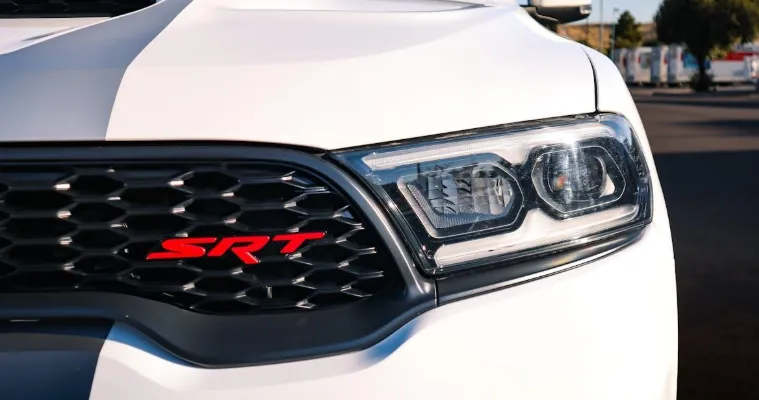
Photo by 𝓢𝓱𝓪𝓷𝓮 𝓦𝓮𝓼𝓽 ™ on Pexels
When we think about cars, names like Mustang, Charger, and Titan often come to mind. These names evoke a sense of power and strength, making us feel exhilarated just by hearing them. But why do certain car names resonate with us on such a deep level? It turns out, the psychology behind tough-sounding brands plays a significant role in how we perceive vehicles and their performance.
In this article, we’ll explore the fascinating connection between branding and psychology. We’ll uncover how manufacturers choose names that not only capture attention but also create emotional responses. For example, names inspired by combat and rugged terrain often lead consumers to associate vehicles with durability and resilience, especially when paired with custom upgrades like gladiator parts designed for performance and strength. Join us as we delve into the world of automotive branding and discover how a name can shape our perception of a car’s capabilities and character.
Why Do Car Names Sound So Powerful?
Car names resonate power through linguistic choices and emotional associations. Names like “Mustang” and “Charger” evoke speed and agility, while terms like “Titan” suggest unwavering strength. We can attribute this effect to several psychological principles.
Sound symbolism plays a crucial role. Hard consonants such as ‘K’ and ‘T’ create a perception of strength and robustness. For instance, “Cruiser” uses soft sounds, while “Ranger” delivers a stronger impact, influencing our feelings toward the brand.
Brand identity connects deeply with consumer psychology. We seek vehicles that reflect our values, adventurousness, power, or luxury. Names evoke these traits; hence, manufacturers carefully select names that resonate with their target audience. A name that instills confidence can boost brand loyalty significantly.
Cultural references also shape perceptions. Historical figures or mythological references lend a sense of heritage and durability. Naming a car “Apollo” or “Legend” evokes a grandeur that appeals to our aspirations.
Emotional triggers are another consideration. Names that suggest aggression or speed can create excitement, making consumers feel that the vehicle embodies that spirit. When we hear “Demon” or “Beast,” the association evokes adrenaline and power.
The combination of these factors results in car names that not only attract attention but also foster a sense of identity. The powerful names are not mere designations; they’re strategic tools that influence perceptions and strengthen consumer connections to the brand.
The Role of Branding in the Automotive Industry
Branding plays a crucial role in the automotive industry, influencing consumer perception and decisions. The selection of a car’s name significantly impacts its marketability and emotional resonance.
The Importance of Name Selection
Name selection acts as a foundational element in automotive branding. Names resonate with consumers due to powerful associations. We choose names that encapsulate speed, strength, or luxury to evoke specific feelings. For instance, a name like “Cruiser” suggests comfort and leisure, while “Predator” implies aggression and power. Effective names align with the brand’s identity and target audience, enhancing recognition and loyalty. Research indicates that names featuring hard consonants evoke perceptions of sturdiness and reliability, emphasizing the importance of linguistic elements in successful branding strategies.
Psychological Factors Influencing Consumer Perception

Photo by Tim Mossholder on Unsplash
Car names trigger specific emotional responses, largely due to the psychological factors involved in consumer perception. Understanding these factors reveals how brands strategically craft names to resonate with potential buyers.
Sound Symbolism and Its Effects
Sound symbolism significantly shapes our perception of a car’s power. Names with hard consonants, like “K” and “T”, convey strength, while softer sounds evoke gentleness. For instance, “Mustang” uses a strong “M” and “T,” imbuing a sense of speed and agility. Research shows that phonetic characteristics influence consumer preference, linking tougher-sounding names with robustness. Names that feature sharper sounds often attract buyers seeking performance and adventure, enhancing the emotional impact of the brand.
The Impact of Language on Branding
Language plays a crucial role in branding by creating associations that define consumer identity. Words carry cultural weight, shaping our perception of values like luxury, performance, and reliability. Names like “Titan” suggest immense strength, influencing our subconscious expectations of a vehicle. Marketing studies indicate that consumers connect more emotionally with brands using carefully chosen language. Effective branding reflects target demographics, enhancing feelings of connection and loyalty. Car manufacturers leverage this impact to create names that resonate deeply with potential customers, impacting their purchase decisions.
Cultural Influences on Car Naming
Cultural factors significantly shape car naming strategies. Regional preferences and cultural identities contribute to how brands select names that resonate with their target audiences.
Regional Variations in Naming Trends
Naming trends vary significantly across regions. For instance, North American markets often favor names that evoke adventure and power, such as “Explorer” or “Ranger.” In contrast, European brands may lean towards names that suggest elegance and sophistication, like “Aventador” or “Civic.” Moreover, Asian markets frequently prioritize reliability and technological advancement, as seen in names like “Accord” or “Camry.” These variations reflect cultural values and consumer preferences in each region, ensuring names align with local expectations and driving success in specific markets.
The Connection Between Culture and Identity
Cultural identity plays a pivotal role in car naming decisions. Names often reflect historical or geographical significance, reinforcing a consumer’s connection to their background. Brands like “Land Rover” evoke the spirit of exploration and adventure, tapping into a British legacy of off-road capability. Similarly, Japanese manufacturers like Subaru incorporate cultural elements, using names linked to constellations that reflect aspiration and harmony. By aligning names with cultural narratives, manufacturers foster emotional bonds between consumers and their vehicles, enhancing brand loyalty and recognition. For more insights on branding psychology, check out Psychology Today.