
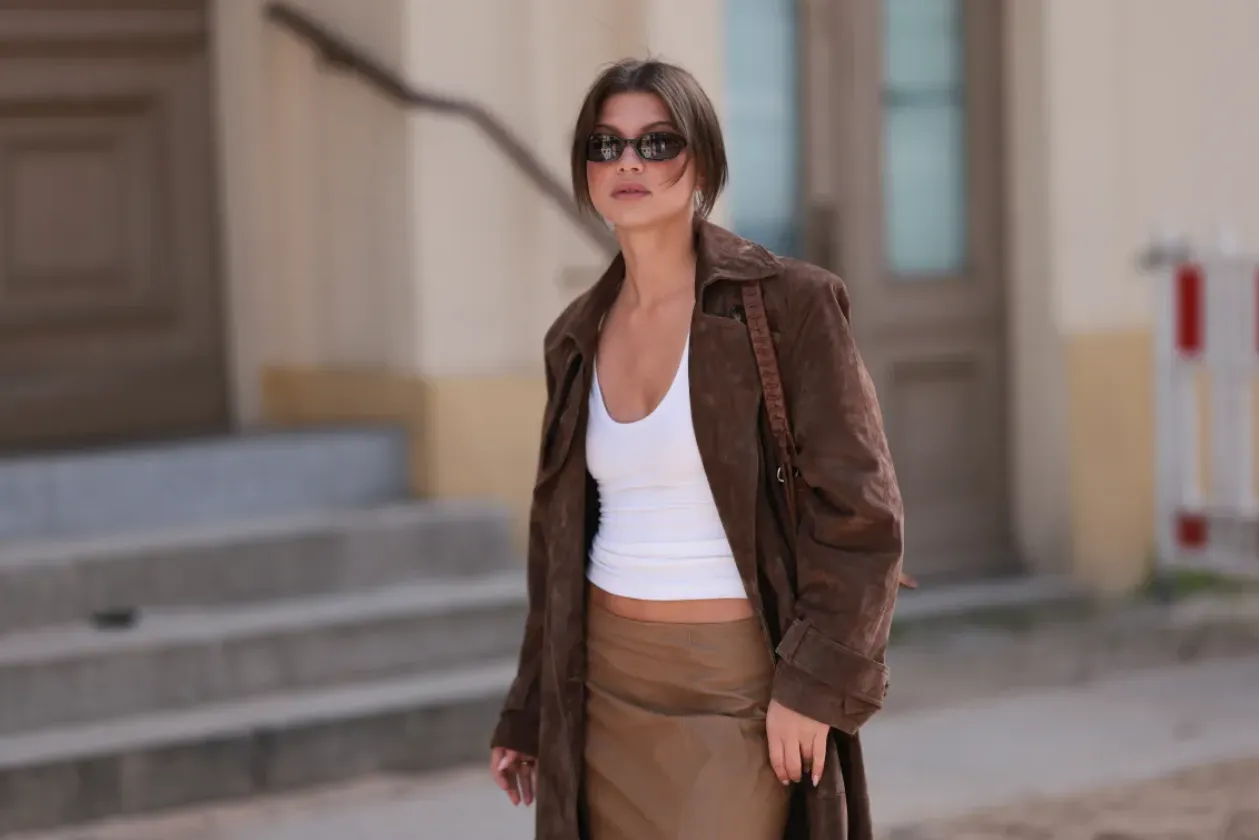
Style is not about what you wear on special occasions. It is what you reach for every single morning without thinking. The global casualwear market was valued at over $300 billion in 2023 and is growing fast, largely because comfort has become non-negotiable. Quality men’s t-shirts are the clearest proof of this shift. A great tee is not basic. It is the backbone of a wardrobe that looks effortless because it actually is. This article explains why comfort-first basics are not a compromise. They are the strategy.
What Makes a Basic Feel Expensive Without Being Expensive?
Fabric weight, structure, and finish. A 180 to 200 GSM cotton tee holds its shape, does not go see-through, and drapes cleanly on the body. Below 150 GSM and you are in cheap territory. The material shows through, goes thin fast, and gets that washed-out look within a season. Beyond weight, the weave matters. Combed cotton removes short fibers that cause pilling. Ring-spun cotton takes it further, twisting fibers together for a smoother, stronger result. These details add a few dollars per unit in production. But the difference in wearing experience is not subtle. You feel it immediately and you see it over time.
Why Do High-Performing Basics Feel Different on Your Body?
Movement allowance is built into good construction. Athletic and performance-cut tees have sleeve angles designed for raised arms without the hemline riding up. Side seams are positioned away from the armhole to prevent chafing. Collar rib construction determines whether the neckline holds or stretches and stays stretched. A double-stitched collar with 2×2 rib knit keeps its shape through dozens of washes. The fashion industry’s quality control research shows that collar integrity is the first thing to fail in budget tees, typically after 15 to 20 washes. That is why you keep replacing cheap ones.
Does Wearing Comfortable Clothes Actually Affect How You Feel?
Yes, and the research on this is real. A concept called enclothed cognition, studied extensively by Adam and Galinsky at Northwestern University, shows that what you wear changes your psychological state and cognitive performance. Uncomfortable clothes create low-level physical distraction throughout the day. You adjust, pull, scratch, or feel constricted. That constant low signal taxes attention. Comfortable, well-fitted basics remove that signal entirely. You move through the day focused on the task, not on whether your shirt is pulling weird. That is not a marketing claim. It is neuroscience applied to fabric.
What Colors in Basics Give You the Most Flexibility?
White, black, grey, and navy are non-negotiable. They go under everything, pair with everything, and photograph well. Olive and stone are secondary neutrals worth owning in at least one piece each. Beyond that, one or two muted colors, a washed burgundy, a sage green, a faded blue, add visual range without complexity. Color matching becomes complicated fast. The simpler the palette, the more outfits you can actually build. Stylists working with men who do not want to think about getting dressed too hard consistently recommend capping the tee palette at five to seven colors maximum.
How Do Basics Save You Time Every Single Day?
Decision fatigue is real. Barack Obama, Steve Jobs, and Mark Zuckerberg all simplified their daily clothing choices deliberately to protect mental energy for higher-stakes decisions. That sounds extreme for most people. But the principle scales down perfectly. When your wardrobe consists of well-chosen basics that all work together, getting dressed takes under 90 seconds. You grab a tee, a pair of pants, and shoes you already know go with everything. Done. Studies on morning routines show that people who simplify wardrobe choices report 12% less reported stress before 9am. That is not nothing.
What Is the Difference Between Cheap Basics and Quality Basics Over a Year?
Run the math. A $15 tee that lasts 6 months with decent appearance, bought twice a year, costs $30 annually per color. A $55 tee that lasts 3 years in good condition costs $18.33 per year. Quality is cheaper. And that gap grows as you scale across multiple colors and pieces. The textile industry’s own lifecycle analysis data shows that premium basics consume fewer resources over their lifetime because they are replaced less frequently. So the economics favor quality. The environment does too. And your wardrobe stops feeling like a revolving door of items that never feel quite right.
How Do You Build a Tee Collection That Actually Works?
Own two of every core color in your palette. That way, one is always clean. Stick to two cuts maximum, a standard crew and a V-neck if you prefer both. Avoid multiple brands unless they match in length and sleeve construction, because mismatched basics look messy even in a drawer. Replace immediately when a tee starts to thin, discolor unevenly, or the collar starts rolling. Do not hold on to a deteriorating piece because it feels familiar. A well-functioning wardrobe is not sentimental. It is maintained. That discipline is what keeps daily style effortless instead of accidental.