
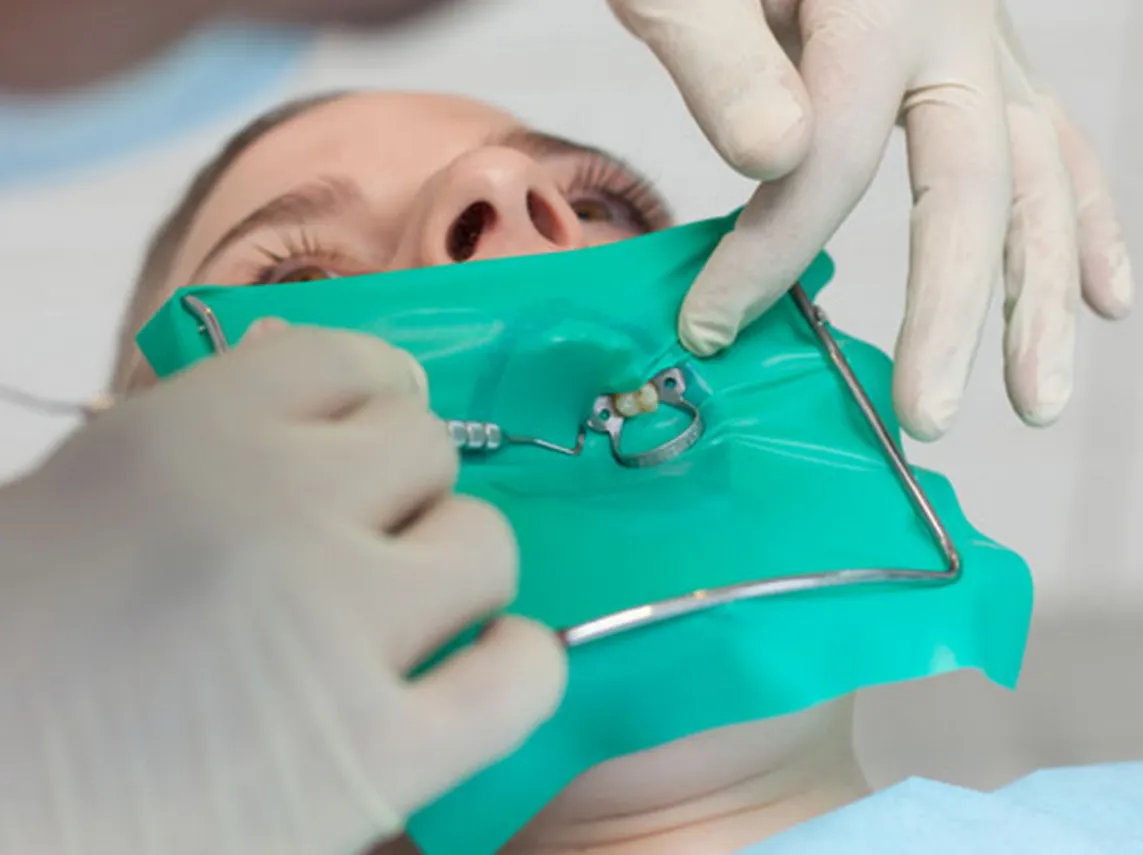
Dental isolation is not optional. It is the difference between a procedure that works and one that fails inside six months. Contamination from saliva, blood, and sulcular fluid is the number one reason endodontic and restorative treatments break down early. The field has known this for decades. Yet many practices still treat isolation as an afterthought. Using high-quality dental dams is one of the most evidence-backed decisions a dentist can make. The research is not subtle. Studies show that rubber dam use increases root canal success rates by up to 98.4% compared to procedures done without one. That number should end the debate.
Why Does Moisture Contamination Destroy Dental Work?
Saliva carries bacteria. Lots of them. The average human mouth holds between 100 million and 1 billion bacteria per milliliter of saliva. During a root canal or composite bonding procedure, even a single drop of saliva reaching the treatment site can introduce anaerobic bacteria into a sterile field. Those bacteria do not just sit there. They multiply. They produce acids. They reinfect canals that were just cleaned. They break the bond between resin and tooth structure. A 2018 study in the Journal of Endodontics confirmed that microbial leakage rates in rubber dam-free procedures are up to 300% higher than in properly isolated ones. The tooth does not care that the dentist worked fast. Contamination does not forgive.
What Actually Makes a Dental Dam High Quality?
Not all rubber dams are equal. Thickness matters. Thin dams (light gauge, around 0.15mm) tear easily under tension, especially in posterior placements. Medium gauge dams sit between 0.2mm and 0.25mm and offer a better balance of stretch and durability. Heavy and extra-heavy gauges (0.3mm and above) are harder to place but deliver superior retraction and tissue control. Material matters too. Latex dams remain the clinical gold standard for elasticity and tactile feedback. But 6% of dental professionals and a significant portion of patients carry latex sensitivities. That is where latex-free nitrile and polyisoprene alternatives step in. A good non-latex dam should match latex in snap-back properties and resistance to micro-perforations. If it does not, it is not a real substitute.
Are Clamps and Frames Part of the Isolation System?
Yes, and they are just as important as the dam itself. A dam placed with the wrong clamp is a dam that will slip. Winged clamps hold the dam and the clamp simultaneously during placement. They save time in routine cases. Wingless clamps give better gingival retraction and visibility. For subgingival margins, a No. 212 cervical clamp or a Siqveland retainer reaches below the gumline where standard clamps cannot. Frames, whether metal or plastic, hold the dam taut. Plastic frames like the Young frame are lighter and do not interfere with X-rays. Metal Ostby frames are heavier but maintain tension without warping over multiple sterilization cycles. The system has to work together. A premium dam on a cheap, bent clamp is still a failure waiting to happen.
Does Dental Dam Use Affect Patient Safety Beyond Infection Control?
It does. The American Dental Association reports that dental dam use significantly reduces the risk of instrument aspiration or ingestion. An estimated 15 to 25 instrument aspiration incidents occur per year in dental settings that do not use isolation routinely. A swallowed K-file requires emergency endoscopy. A lodged instrument in the airway is a life-threatening event. The rubber dam eliminates both risks completely. Beyond that, sodium hypochlorite irrigant, which is used in root canal therapy at concentrations between 0.5% and 6%, causes severe chemical burns to soft tissue if it contacts the mucosa unprotected. The dam is the physical barrier between that irrigant and the patient’s throat. This is patient safety, not just technique preference.
Which Procedures Should Always Use a Dental Dam?
Root canal therapy is the non-negotiable. The European Society of Endodontology’s clinical guidelines explicitly state that rubber dam application is mandatory for all endodontic procedures. No exceptions. Composite resin restorations should also use isolation. Phosphoric acid etching requires a dry field. A single contamination event during bonding compromises the adhesive layer and reduces bond strength from around 30 MPa to under 10 MPa. That is a third of the intended strength. Crown preparation margins, tooth bleaching using carbamide or hydrogen peroxide gels, and pediatric sealant applications all benefit from rubber dam isolation. The procedures where isolation is optional are far fewer than most practitioners assume.
How Do Isolation Tools Impact Long-Term Treatment Outcomes?
A 2021 systematic review published in the International Endodontic Journal analyzed 14 randomized controlled trials covering over 4,000 root-treated teeth. Teeth treated with rubber dam isolation had a 10-year survival rate of 91%. Teeth treated without had a survival rate of 79%. That 12-percentage-point gap is not a small clinical difference. It means roughly one in eight teeth treated without isolation will fail within a decade that would have survived with it. Patient outcomes, retreatment costs, and practice reputation are all downstream of this single decision. Reliable isolation is the most cost-effective investment a dental practice can make. The tool is cheap. The consequences of not using it are not.