
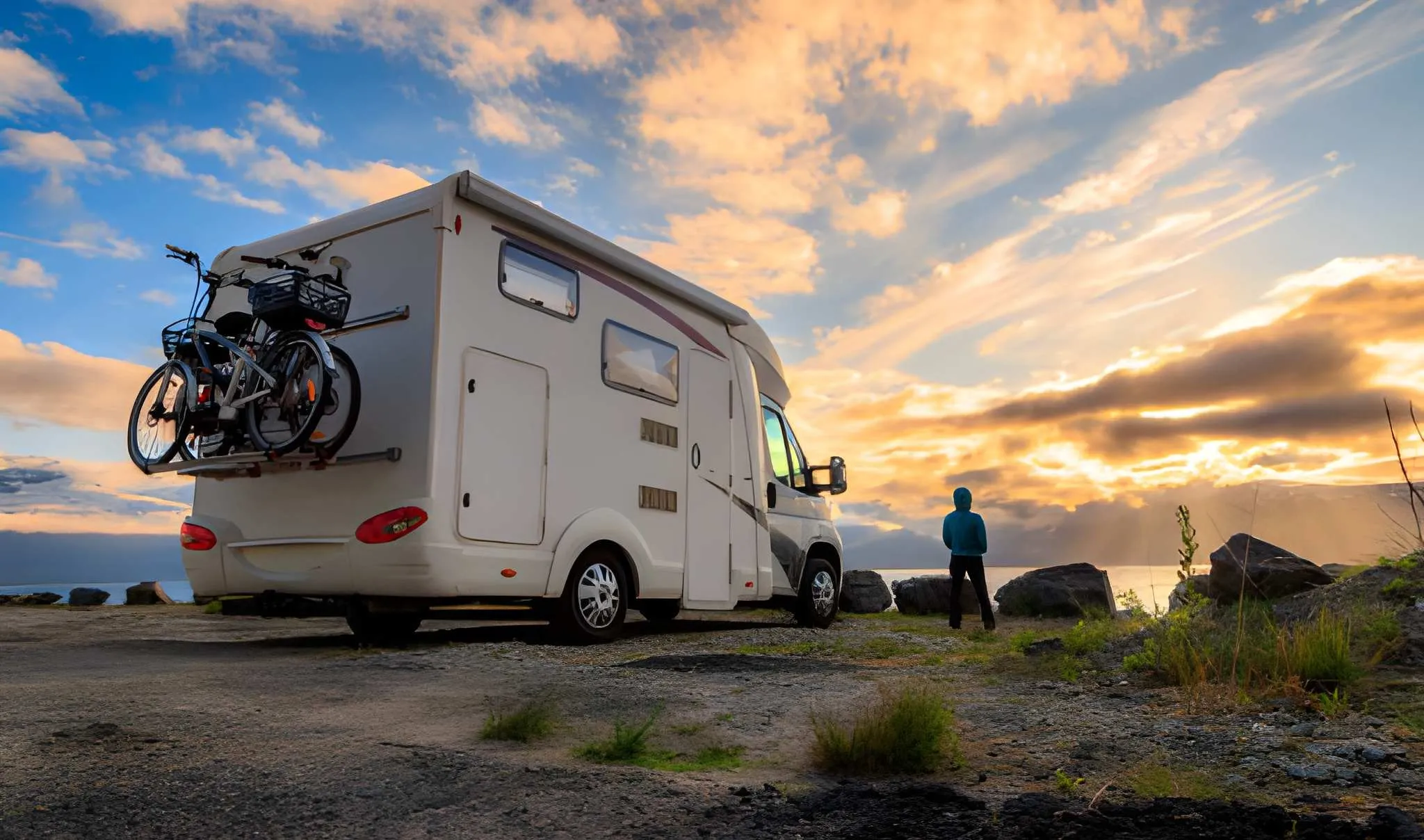
When you are shopping for a recreational vehicle, the sheer number of options available can feel overwhelming. Modern RVs come equipped with an impressive array of features designed to make your travels more comfortable and convenient. Understanding what distinguishes a quality vehicle from an average one requires knowing which features truly matter for your lifestyle and camping preferences. Whether you plan to take weekend getaways or embark on extended cross-country adventures, selecting the right RV involves careful consideration of multiple factors. This guide walks you through seven essential features that can significantly enhance your recreational vehicle experience.
1. Fuel Efficiency and Engine Performance
The engine and fuel system represent one of your largest ongoing expenses when owning RV. Modern recreational vehicles now offer diesel and gasoline engines with improved fuel efficiency compared to older models. You should evaluate the miles-per-gallon ratings and consider how engine size affects both performance and consumption rates. Diesel engines typically provide better fuel economy on longer trips, while gasoline engines may offer lower upfront costs. Engine performance also includes towing capacity, which matters if you plan to bring along additional vehicles or equipment during your travels.
2. Advanced Climate Control Systems
Temperature regulation becomes crucial when you are living in a vehicle for extended periods. Modern RVs feature improved heating and cooling systems that maintain comfortable conditions regardless of external weather. Multi-zone climate control allows different areas of the vehicle to be set at different temperatures, accommodating various preferences within your traveling party. Insulation quality in walls, windows, and doors directly impacts how efficiently these systems operate and how much energy they consume. Some newer models include smart thermostats that learn your temperature preferences and adjust automatically throughout the day and night.
3. Water and Waste Management Systems
Reliable water systems are fundamental to comfortable RV living. Modern recreational vehicles now feature larger freshwater tanks with better filtration and purification options than previously available. You should look for systems that include hot water heaters, gray water tanks for sink and shower drainage, and black water tanks for toilet waste. Quality plumbing reduces the risk of leaks and water damage, which can compromise the structural integrity of your vehicle. Some advanced systems now offer monitoring technology that alerts you when tanks are reaching capacity, eliminating unexpected problems during your travels.
4. Technology and Entertainment Features
Today’s RVs increasingly incorporate smart technology that enhances your comfort and connectivity while on the road. Many modern models include touchscreen control centers that manage lighting, climate, appliances, and entertainment systems from a single interface. High-quality entertainment options may include satellite television, streaming capabilities, and premium sound systems designed for compact living spaces. Navigation systems tailored for RV travel help you find routes appropriate for your vehicle’s size and weight. Backup cameras and blind-spot monitoring systems also improve safety and reduce the stress of maneuvering large vehicles in tight spaces.
5. Sleeping Arrangements and Interior Layout
The layout and sleeping accommodations directly affect your quality of life during time spent in your RV. Modern recreational vehicles offer multiple sleeping options, from convertible dinettes and murphy beds to dedicated bedrooms with premium mattresses. You should consider whether the floor plan matches your group size and sleeping preferences, as poor rest can diminish the enjoyment of your trips. Buyers researching a used McKee RV for sale will often find that reviewing the interior layout and sleeping configuration is one of the most practical steps in narrowing down available inventory to units that suit their specific needs. Well-designed interiors maximize storage space and create distinct living areas that prevent the vehicle from feeling cramped. Quality materials used in cabinetry and upholstery contribute to both aesthetics and durability over years of use.
6. Electrical System Capacity
A robust electrical system ensures you can run essential appliances and devices without constantly monitoring battery levels. Modern RVs typically feature upgraded battery banks with higher amp-hour ratings and improved charging systems. You should verify that the electrical system can support the appliances you plan to use simultaneously, including air conditioning, water heaters, and entertainment equipment. Solar panel options have become more practical and affordable, allowing you to extend your time off-grid and reduce reliance on campground hookups. Understanding whether the vehicle uses lithium or lead-acid batteries helps you make decisions about maintenance requirements and long-term durability.
7. Safety Features and Structural Integrity
Your safety on the road depends significantly on the structural quality and safety features of your recreational vehicle. Modern RVs incorporate reinforced frames, impact-resistant windows, and secure door locks that protect you and your belongings. You should inspect the roof condition and ensure proper sealing to prevent water infiltration, which can cause mold and structural deterioration. Emergency exits, fire extinguishers, and first aid kits should be easily accessible throughout the vehicle. Advanced safety features such as electronic stability control and automatic braking systems on newer models provide additional protection during travel.
Conclusion
Selecting the right recreational vehicle requires evaluating multiple interconnected features that contribute to comfort, safety, and practical functionality. Each of the seven features discussed represents an important aspect of modern RV design that directly impacts your experience on the road. By understanding fuel efficiency, climate control, water management, technology integration, interior layout, electrical capacity, and safety systems, you can make a more informed decision when comparing available options. Take time to test drive different models and ask detailed questions about how each system operates and what maintenance requirements you might expect. Your investment in a quality recreational vehicle with well-designed features will reward you with years of enjoyable travels and comfortable adventures.