
The settlement paperwork is signed, the keys sit in a manila envelope, and the binder the seller handed over covers the lease ledger and the fire alarm certificate. It says nothing about the rooftop units at all. Three packaged units sit up there on your new mixed-use building along a Philadelphia commercial corridor, one humming, one silent, none of them carrying a legible install date. That is usually the week a first-time owner starts hunting for heating air conditioning Philadelphia PA help that gives a straight read instead of a sales pitch. An undocumented system is not automatically a system you must replace, and the money spent documenting it properly is the cheapest money in the entire project.
Inherited Systems Hide Expensive Surprises
Nobody hands over a commercial building with a clean maintenance log anymore. What usually turns up is equipment that was patched rather than maintained, a condenser fan motor swapped in 2019 and a thermostat some tenant replaced himself. The filter rack is often sized for a cabinet that was retired two owners back. The repair is rarely the real cost. It is the timing, because inherited equipment quits on the first hot Saturday of the season, when every commercial crew in the city is already booked and your tenants are calling.
Money tends to follow the same pattern in the first year. An owner budgeting for signage and a lobby refresh treats the mechanical systems as a line item to revisit later. Then the whole year of contingency goes to one emergency compressor replacement in August. Age alone does not condemn a unit, though. A well installed rooftop unit that got its filter changes and coil cleanings can outlive a neglected one by a decade. That is why an honest assessment matters more than the model year on the nameplate.
What To Inspect Before You Trust It
Start with the paperwork rather than with tools. Philadelphia keeps permit history online through eCLIPSE, the city licensing and inspections portal, and a mechanical permit pulled in 2016 for a rooftop replacement tells you the install date that a painted-over nameplate no longer shows. Pull the seller’s utility bills for the last two summers as well. A building whose July electric use runs far above its June baseline is usually cooling badly rather than cooling hard. The roof tells you more than the seller ever will.
Down in the mechanical room, something else deserves a glance. Commercial water heating rides on the same gas service and collects the same neglect, and replacement demand keeps climbing. Shipments of commercial gas storage water heaters rose 10.4% to 8,814 units in April 2026, according to AHRI’s monthly statistical release. For a building owner that reads mostly as a scheduling warning, since busy production lines stretch lead times on anything you have to order. Back to the rooftop units, though, because those are the ones that cost you a tenant.
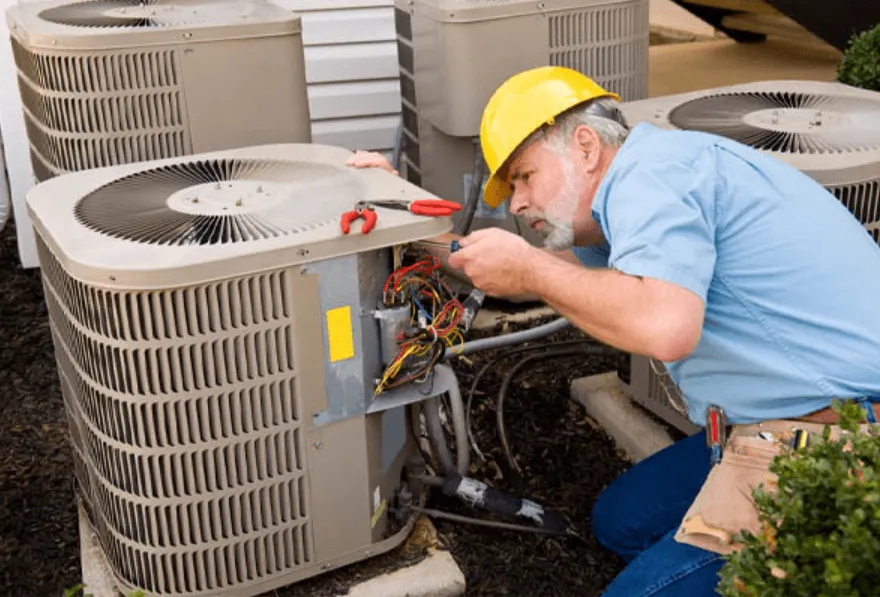
Then get eyes on the equipment with someone who does this for a living. An assessment worth paying for records model and serial numbers, refrigerant type, compressor amp draw under load, and static pressure across the coil. It also notes the condition of the curb and roof penetration, and whether the economizer damper still moves. Firms doing heating air conditioning Philadelphia PA commercial work document all of it in writing, with photographs, and hand you a repair-or-replace recommendation. Ask for the raw readings.
Questions To Put To Any Contractor
An assessment is only as good as the person performing it. The quickest way to sort a real commercial contractor from a residential outfit stretching upward is to ask questions with checkable answers. Prices vary a lot; the process should not. Someone who has assessed a hundred inherited systems answers these without hesitating.
- How many rooftop units have you assessed on mixed-use buildings this year? A good answer names a number and a nearby block.
- What readings will appear in the written report? Amp draw, static pressure, and refrigerant charge should come up without prompting.
- Who carries fall protection on my roof, and is your crew OSHA 30 certified? The answer should be immediate and specific.
- If you recommend replacement, will you also price the repair path? A contractor who refuses to price both is selling, not assessing.
Watch closely what happens after those questions land. A contractor who asks to see your lease terms before recommending equipment is thinking about the comfort obligations you signed. In practice this typically means a smaller phased plan, one unit this year and two the next, rather than one quote that swallows your reserve.
Choosing A Partner For The Long Haul
The comfort argument is easier to make to tenants than to spreadsheets, but the research helps. Cornell University researchers reported that warming an office from 68 degrees to 77 degrees cut typing errors by 44% and raised worker output by 150%. Tenants feel that difference well before anyone puts a number on it, and a comfortable tenant renews. Renewals are the business case for maintaining an inherited system properly instead of running it until it quits.
Get the plan on paper inside your first season of ownership, before a heat wave writes it for you. Commission the assessment, get the repair-or-replace recommendation in writing, then decide which units you carry another year. The rest you schedule for replacement on your own calendar, at a price you negotiated instead of one dictated by an outage. Owners who work that way spend less across five years than the ones answering emergencies. A building whose mechanical history begins with your own report has stopped being an inherited mystery.