
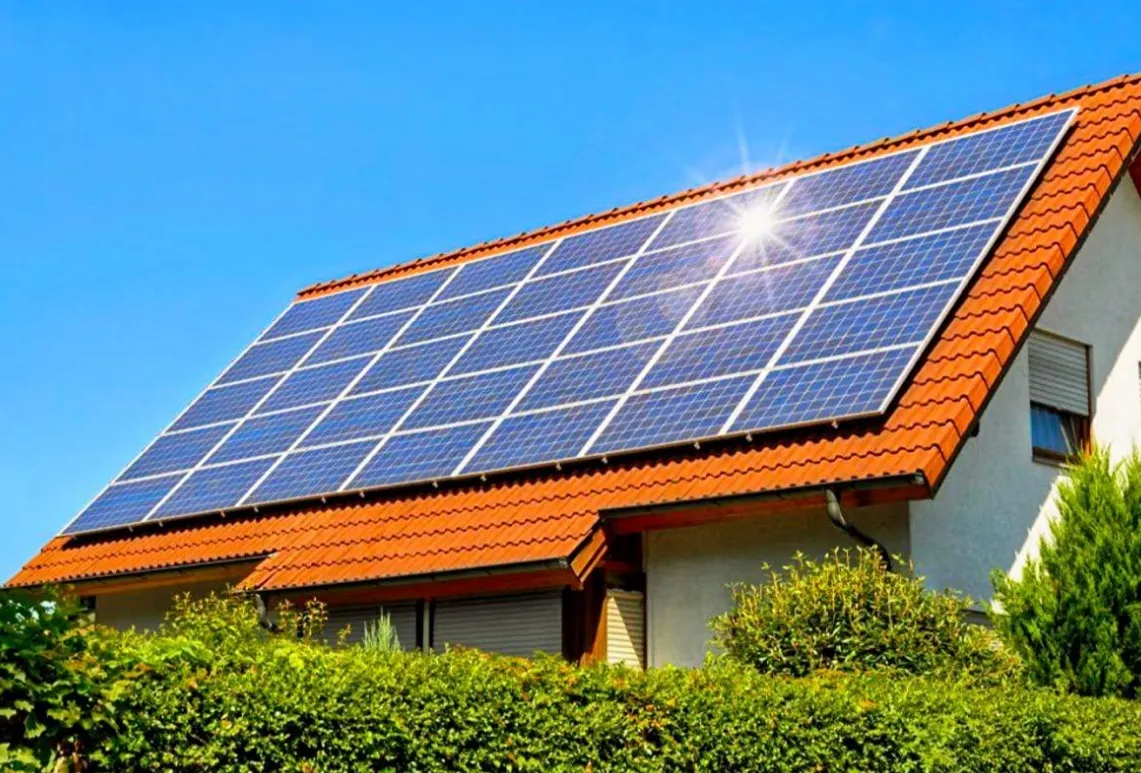
Switching to solar energy is a smart move for your wallet and the planet. By harnessing the power of the sun, you can reduce your reliance on the grid, lower your electricity bills, and shrink your carbon footprint. But with so many options available, picking the right solar system for your home can feel overwhelming.
Assess Your Energy Needs
The first step in choosing a solar system is understanding how much electricity you use. This will determine the size of the system you need, which is measured in kilowatts (kW). A system that’s too small won’t cover your energy needs, while one that’s too large will be an unnecessary expense.
- Review Your Electricity Bills: Gather your utility bills from the past 12 months. Look for your monthly energy usage, which is typically listed in kilowatt-hours (kWh).
- Calculate Your Daily Average: Add up your total kWh usage for the year and divide it by 365. This gives you your average daily electricity consumption. For example, if your total annual usage is 10,950 kWh, your daily average is 30 kWh (10,950 / 365).
- Consider Future Changes: Think about any upcoming changes that might affect your energy use. Are you planning to buy an electric vehicle, install a hot tub, or add an extension to your home? These will increase your electricity needs, so you should factor them into your calculations.
Once you have a clear picture of your daily energy consumption, you can work with a solar installer to determine the ideal system size for your home.
Types of Solar Panel Systems
Solar systems generally fall into three main categories. The right one for you depends on your goals, location, and access to the local utility grid.
Grid-Tied Systems
Grid-tied systems are the most common type for residential homes. They are connected to the local utility grid, allowing you to draw power from the grid when your solar panels aren’t producing enough electricity, such as at night or on cloudy days.
- Pros:
- Lower initial cost since they don’t require expensive battery storage.
- Access to net metering programs, where you can sell excess energy back to the grid for credits on your bill.
- Reliable power supply, as you can always pull from the grid when needed.
- Cons:
- They do not provide power during a grid outage for safety reasons.
Off-Grid Systems
Off-grid systems are completely independent of the utility grid. They rely on batteries to store the excess energy your panels generate during the day, so you have power available at night or during periods of low sunlight.
- Pros:
- Complete energy independence.
- No more electricity bills.
- Provides power during grid outages.
- Cons:
- Significantly higher initial cost due to the need for a large battery bank and other components like charge controllers.
- Requires careful energy management to avoid running out of power.
- You are responsible for all system maintenance and repairs.
Hybrid Systems
Hybrid systems offer the best of both worlds. They are connected to the grid like a grid-tied system but also include a battery bank for energy storage, similar to an off-grid setup.
- Pros:
- Provides backup power during grid outages.
- Can store excess solar energy for use at night, reducing reliance on the grid.
- Still eligible for net metering and other incentives.
- Cons:
- More expensive than grid-tied systems due to the cost of the batteries.
- More complex to install and maintain.
Component Quality Matters
A solar system is a long-term investment, so the quality of its components is crucial. Here are the key parts of a solar system and what to look for:
Solar Panels
Solar panels capture sunlight and convert it into electricity. When evaluating panels, consider their efficiency (how much sunlight they convert into power), durability, and warranty. High-efficiency panels will generate more power from a smaller area, which is ideal for homes with limited roof space. Look for panels with a performance warranty of at least 25 years.
Inverters
Inverters are the brains of your solar system. They convert the direct current (DC) electricity produced by your panels into alternating current (AC) electricity that your home can use. The main types are string inverters, which connect a series of panels, and microinverters, which are installed on each individual panel. Microinverters are generally more efficient and reliable, especially if parts of your roof are shaded during the day.
Batteries
If you choose an off-grid or hybrid system, batteries are essential. Lithium-ion batteries are the most popular choice for home energy storage due to their long lifespan, high efficiency, and compact size. When selecting a battery, look at its capacity (how much energy it can store), power rating (how much electricity it can provide at once), and warranty.
Installation and Permits
Proper installation is key to your system’s performance and safety. Always work with a certified and experienced solar installer. A reputable installer will conduct a thorough site assessment, design a system tailored to your home, handle all the necessary permits, and ensure the installation meets local building and electrical codes.
The permitting process can vary by location but generally involves getting approval from your local municipality and utility company. Your installer should manage this for you, but it’s good to be aware of the steps involved as it can affect the project timeline. When researching installers, you might search for local providers, for example, “solar companies in Utah,” to find certified professionals in your area.
Cost and Return on Investment (ROI)
The initial cost of a solar system can be significant, but it’s important to look at the long-term savings. The total cost will depend on the system size, component quality, and labor costs in your area.
To make solar more affordable, many government incentives and rebates are available. These can include:
- Federal Solar Tax Credit: A federal tax credit allows you to deduct a percentage of the total cost of your system from your federal taxes.
- State and Local Rebates: Many states and municipalities offer additional rebates or tax credits.
- Net Metering: As mentioned earlier, this allows you to earn credits for the excess electricity your system sends to the grid.
Your return on investment (ROI) is the point at which your energy savings have paid off the initial cost of the system. The payback period for a residential solar system is typically between 8 and 15 years. After that, the electricity your system generates is essentially free.
Maintaining Your System
Solar panel systems are remarkably low-maintenance, but a little care can ensure they perform at their best for years to come.
- Regular Cleaning: Keep your panels free of dirt, dust, and debris. In many areas, regular rainfall is enough to keep them clean. If you live in a particularly dusty or dry climate, you may need to rinse them with a hose occasionally.
- Annual Inspections: Have a professional inspect your system once a year to check for any issues with the wiring, components, and mounting hardware.
- Monitor Performance: Keep an eye on your system’s energy production through its monitoring software. A sudden drop in output could indicate a problem that needs to be addressed.
Conclusion
Choosing the right solar system for your home is a big decision, but it’s a worthwhile investment in your energy future. By understanding your energy needs, exploring your system options, and focusing on quality, you can build a setup that provides clean, affordable power for decades.